Hydro power expansion in synergy with biodiversity
Hydro power is the backbone of the Swedish electricity system and plays a crucial role in the transition to a fossil-free society. Vattenfall is now investing billions in existing hydro power stations, while extensive efforts are underway to
protect natural values along the developed rivers – important measures for Sweden to reach its climate goals and meet modern environmental requirements.
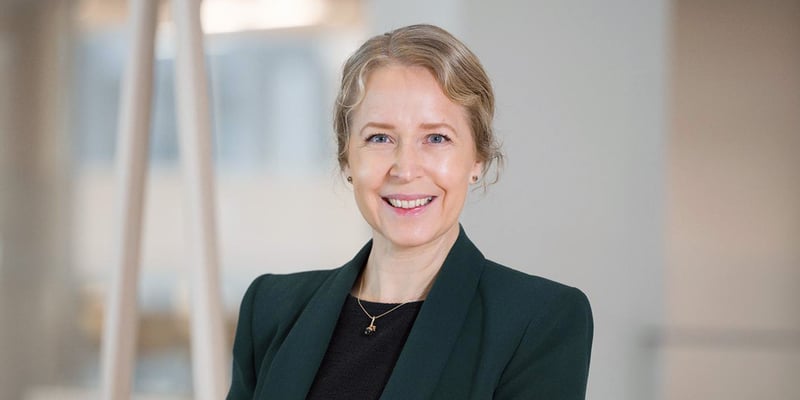
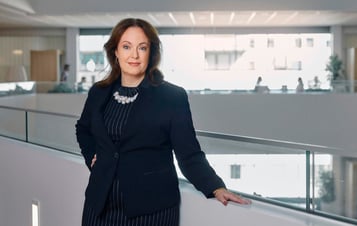
Lovisa Fricot Norén, Head of Hydro Nordic.
As Sweden’s largest battery, hydro power plays a decisive role in achieving net-zero emissions by 2040. With its unique flexibility and regulation capacity, it is critical for future competitiveness – both for Vattenfall and the entire European industry. Together with efforts to reduce environmental impact, the expansion is one of several steps to ensure sustainable production and increased hydro power capacity.
“Navigating in a new energy landscape with more renewable energy sources like solar and wind means that the flexibility within hydro power will be even more important going forward”, says Lovisa Fricot Norén, Head of Hydro Nordic at Vattenfall.
Long-term investments ahead
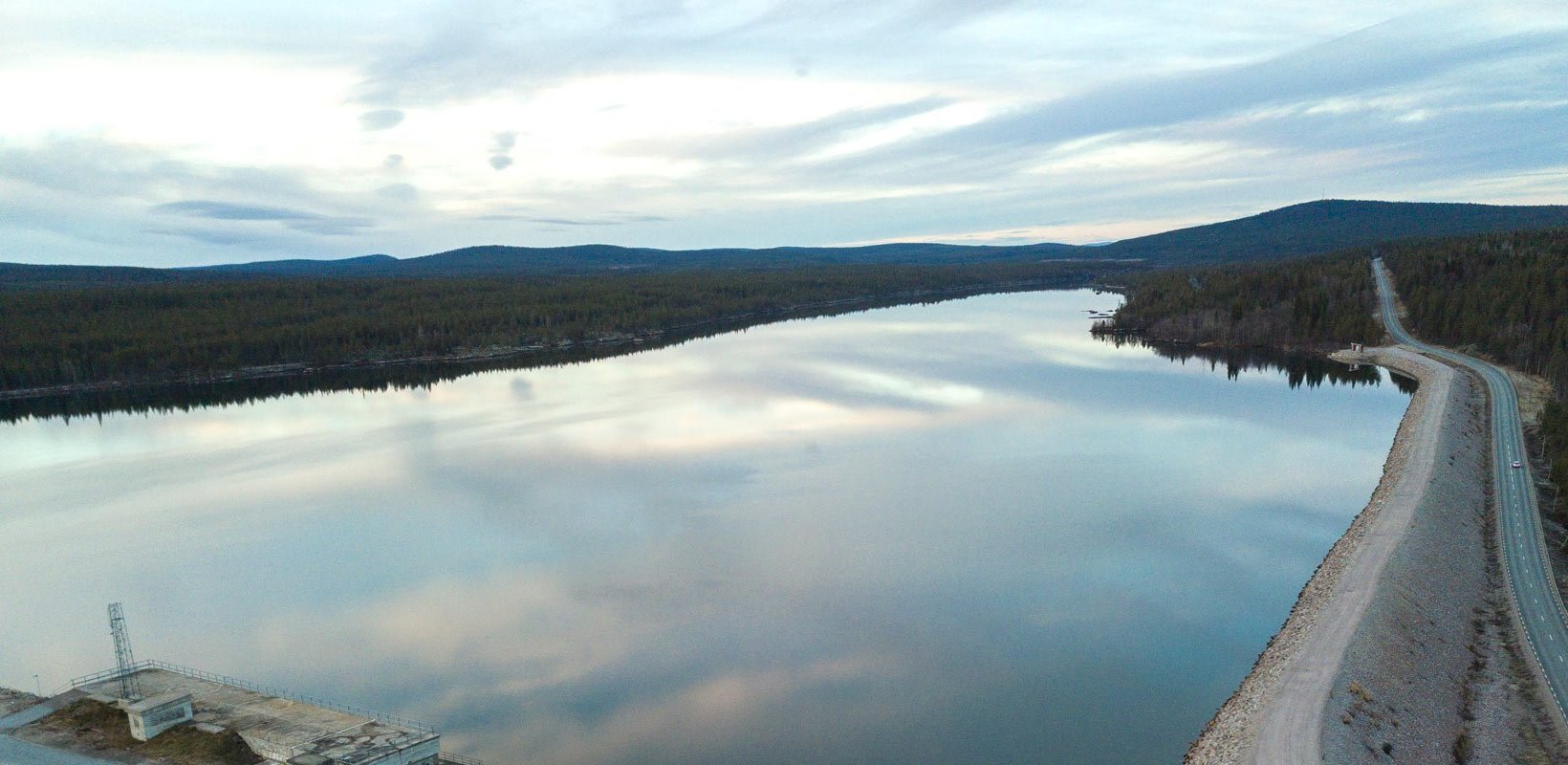
One of the initiatives is taking place at Harsprånget in the Lule River – Sweden’s largest hydro power station in terms of capacity. Vattenfall is investing a total of SEK 1.3 billion in two phases: first in a new transformer and control system, and then in a completely new turbine. When the project is completed, the station will have five units with a total output of 913 MW, an increase of around 100 MW, and an annual production of over 2 TWh.
Harsprånget is one of four expansion projects in Sweden, which also includes the hydro power plants Juktan, Porjus, and Messaure, currently in various development phases. Vattenfall and SSAB have also signed an agreement for the delivery of 120 tonnes fossil-free steel for what will be the world’s first fossil-free dam gate. It will be installed in Vattenfall’s hydropower station in Stornorrfors in 2028.
Four expansion projects
- Harsprånget, Lule River: Investment of SEK 1.3 billion in a new transformer, control system, and turbine.
- Juktan, Ume River: Plans to resume operation of the power station as a pumped-storage plant. Permit application planned for submission to the Land and Environment Court in the beginning of 2026.
- Porjus, Lule River: Feasibility phase, investigating the possibility of increasing output through measures in the new and/or old power station.
- Messaure, Lule River: Feasibility phase, investigating the possibility of increasing flow through a new unit, new tunnels, and possible widening of the outlet channel.
Navigating in a new energy landscape with more renewable energy sources like solar and wind means that the flexibility within hydro power will be even more important going forward.
Significant contribution to the energy system
Hydro power accounts for about 40 percent of Sweden’s electricity production. By upgrading existing facilities – instead of building new ones – Vattenfall can increase production in a more climate-efficient way. Vattenfall has systematically worked to improve its power plants, and since 2016, capacity has increased by approximately 800 MW. This has been achieved through renewals of turbines, generators, and transformers, increased availability in the power stations, and continuous efforts to reduce production limitations.
If investment decisions are made for all four growth projects, a planned capacity increase of an additional 650 MW is expected by 2033. Together with the efficiency improvements already made, this could mean a potential addition of over 1,400 MW – a significant contribution to Sweden’s energy system as electrification and demand for fossil-free electricity increase.
Right environmental actions in right place
In parallel with the technical expansion, Vattenfall is working on a biodiversity programme aimed at reducing hydro power’s environmental footprint through scientifically proven knowledge. The focus is on research and testing of concrete measures in and around the rivers where Vattenfall has hydro power production, in collaboration with county administrations and universities. The programme is a voluntary commitment for Vattenfall with the hope that the tested solutions can be used as modern environmental measures in upcoming environmental reviews of hydro power.
“Capacity and flexibility of hydro power is vital to the electricity system, as hydro power is an enabler for all intermittent fossil-free energy production,” says Lovisa Fricot Norén.
The regulation of rivers for power production has changed the appearance of watercourses, and the flow is adapted for efficient power production. This has altered the natural environment and habitats for various organisms. In upcoming environmental reviews, the greatest focus is generally on measures related to water flow and fish passages, but these measures affect only relatively small areas in the regulated watercourses.
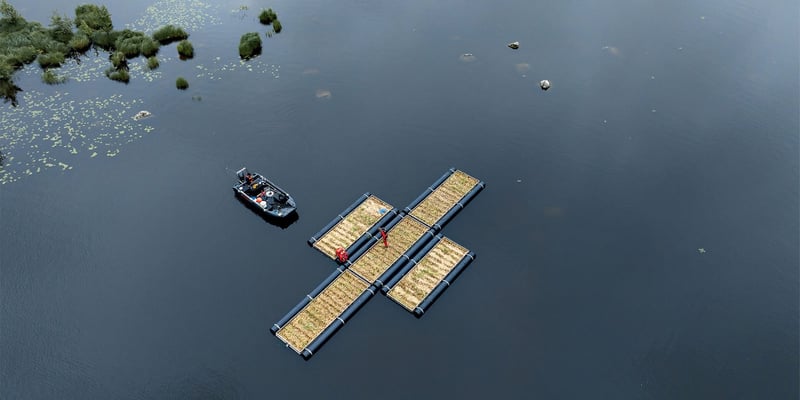
Launching of floating islands in the Dalälven River downstream of the Älvkarleby hydro power station.
Vattenfall’s programme focuses on developing, testing, and evaluating efforts to increase biodiversity in regulated waters while minimising the impact on hydro power production. For example, natural erosion protection is being tested near power stations, shoreline vegetation is being promoted along eroded banks, floating islands are being constructed, and nesting sites for birds are being created.
In the spring, Vattenfall also launched its Biodiversity Transition Plan 2030 – a strategy to minimise impact, work with restoration, and develop nature-based solutions. The plan supports the Kunming-Montreal Global Biodiversity Framework, which includes the innovation programme for hydro power.
“There are clear synergies between hydro power expansion and biodiversity efforts. Through long-term and effective planning, investments in innovative solutions, and the establishment of broad collaborations, Vattenfall can contribute to a sustainable and nature-inclusive climate transition,” says Helle Herk-Hansen, Head of Environment, Vattenfall.
Text by Sandra Widh.
Learn the full story
Download and read our Annual and sustainability report 2025.
More highlights from the report