

Vattenfall first Swedish energy company to get net-zero target approved by SBTi
Vattenfall is the first Swedish energy company to have its target of net-zero emissions in 2040 verified by the Science Based Targets initiative (SBTi). This complements Vattenfall’s 2030 targets which are in line with limiting global warming to 1.5°C.
Vattenfall’s target covers all emissions across the company’s value chain. This means that not only are Vattenfall’s own power and heat production included, but also all upstream and downstream emissions. Upstream emissions include those in supply chains linked to growth investments in new fossil-free power production, and while downstream emissions include those from supplying fossil gas to private and business customers. All direct emissions will be prioritized and all residual emissions will be neutralized in line with SBT-criteria.
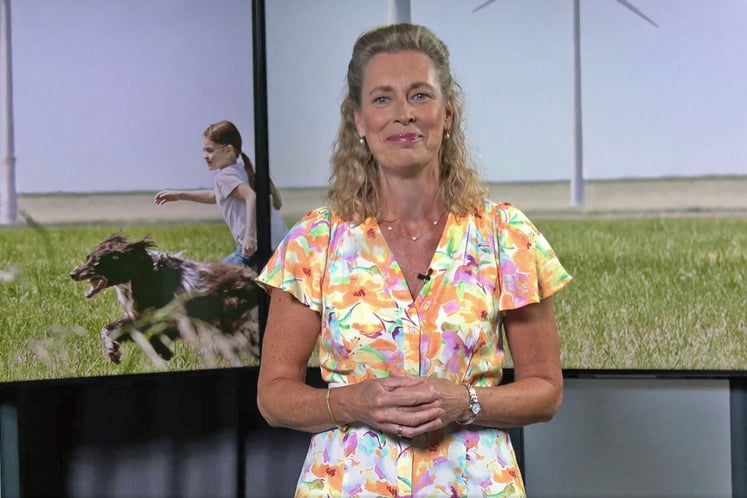
“I am very happy that the SBTi has verified Vattenfall’s net-zero target. SBTi provides a crucial standard for reporting on net-zero, ensuring we set ambitious targets and maintain transparency and accountability in our efforts. By adhering to SBTi guidelines, we demonstrate our commitment to be leaders in the energy transition. We also encourage those we work with across the value chain and in the wider sector to join us in making a real contribution to climate action,” says Annika Ramsköld, Head of Sustainability at Vattenfall.
Video player requires marketing cookies.
To view this content please click here to allow marketing cookies.
The Science Based Targets initiative (SBTi) is a global body enabling businesses to set ambitious emissions reductions targets in line with the latest climate science. It is focused on accelerating companies across the world to halve emissions before 2030 and achieve net-zero emissions before 2050. The initiative is a collaboration between CDP, the United Nations Global Compact, World Resources Institute (WRI) and the World Wide Fund for Nature (WWF) and the We Mean Business Coalition. The SBTi defines and promotes best practice in science-based target setting, offers resources and guidance to reduce barriers to adoption, and independently assesses and approves companies’ targets.
To read more about Vattenfall’s net-zero target: Our CO2 roadmap towards climate neutrality
To read more about SBTi and the corporate net-zero standard:
The Corporate Net-Zero Standard - Science Based Targets
For further information, please contact:
Johan Sennerö, Vattenfall Media Relations, +46-73 046 40 45, johan.senneroe@vattenfall.com
See also

Giant water heater makes district heating more flexible
In Diemen, the Netherlands, Vattenfall converts renewable electricity into heat for thousands of households.

Going underground – Netherlands geothermal heat transition
Geothermal heat and energy is a somewhat untapped source in many parts of the world. For the Netherlands drilling for, and using, heat from the earths subsurface could both relieve the grid ...
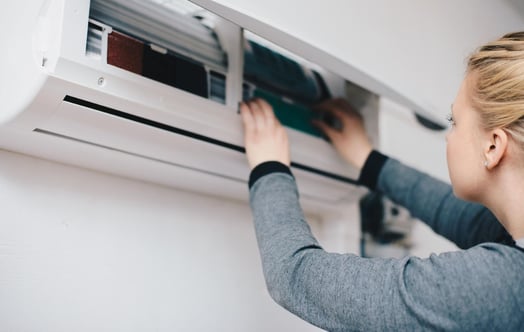
Heatwaves boost interest in heat pumps across Europe
Heat pumps are best known as an energy-efficient way to heat homes. But as heatwaves become more frequent, many homeowners are discovering that the technology can also help keep homes cool.