
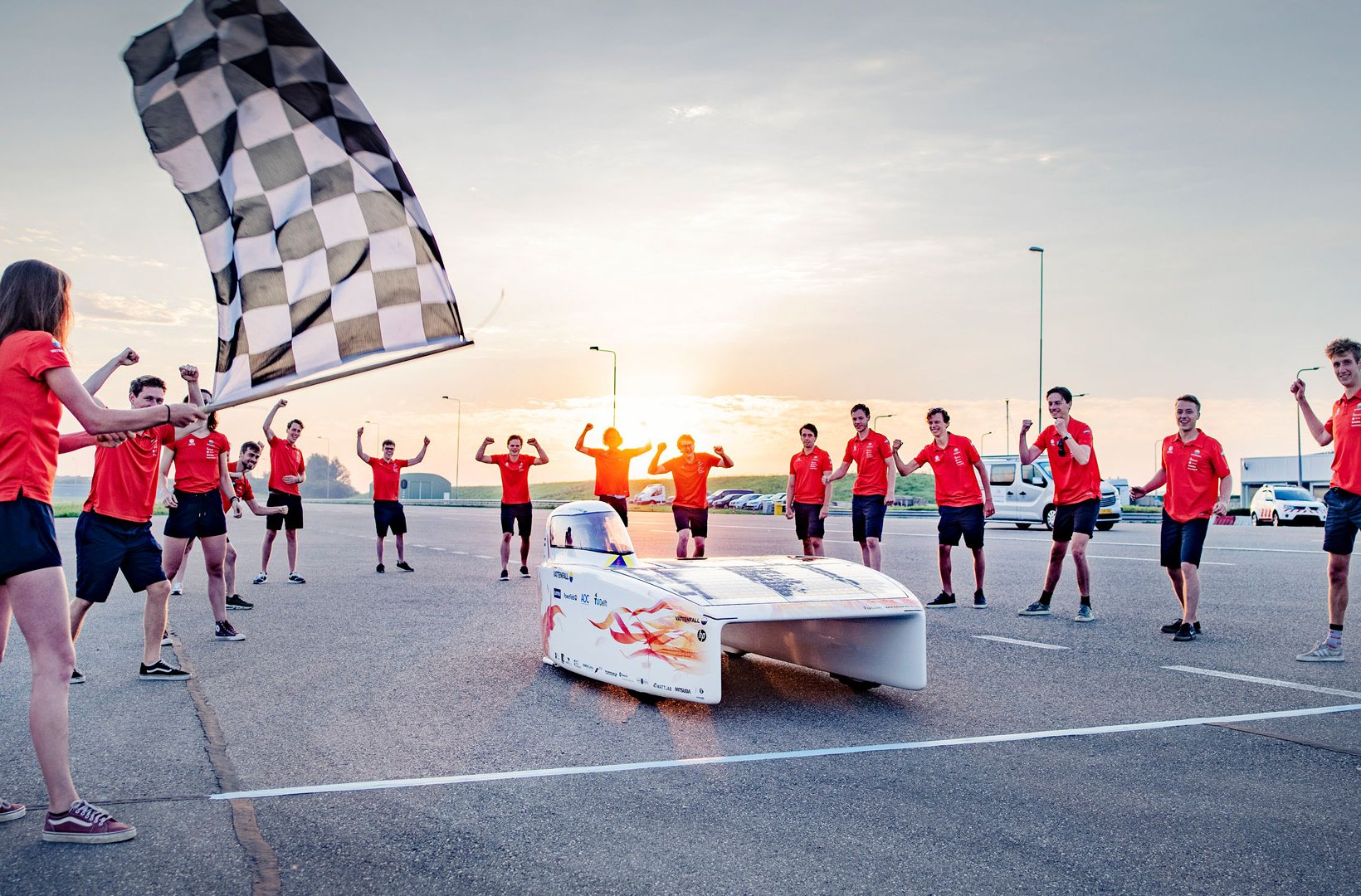
Vattenfall Solar Team breaks solar racing world endurance record on scorching hot day
Solar champions uphold their reputation and drive solar car Nuna Phoenix more than 924 kilometres in 12 hours entirely on solar power.
The Vattenfall Solar Team did it again. On Saturday 8 August, the team set a new solar racing world endurance record in The Netherlands. Over 12 hours, the Nuna Phoenix solar car drove more than 924 kilometres fuelled entirely by solar power.
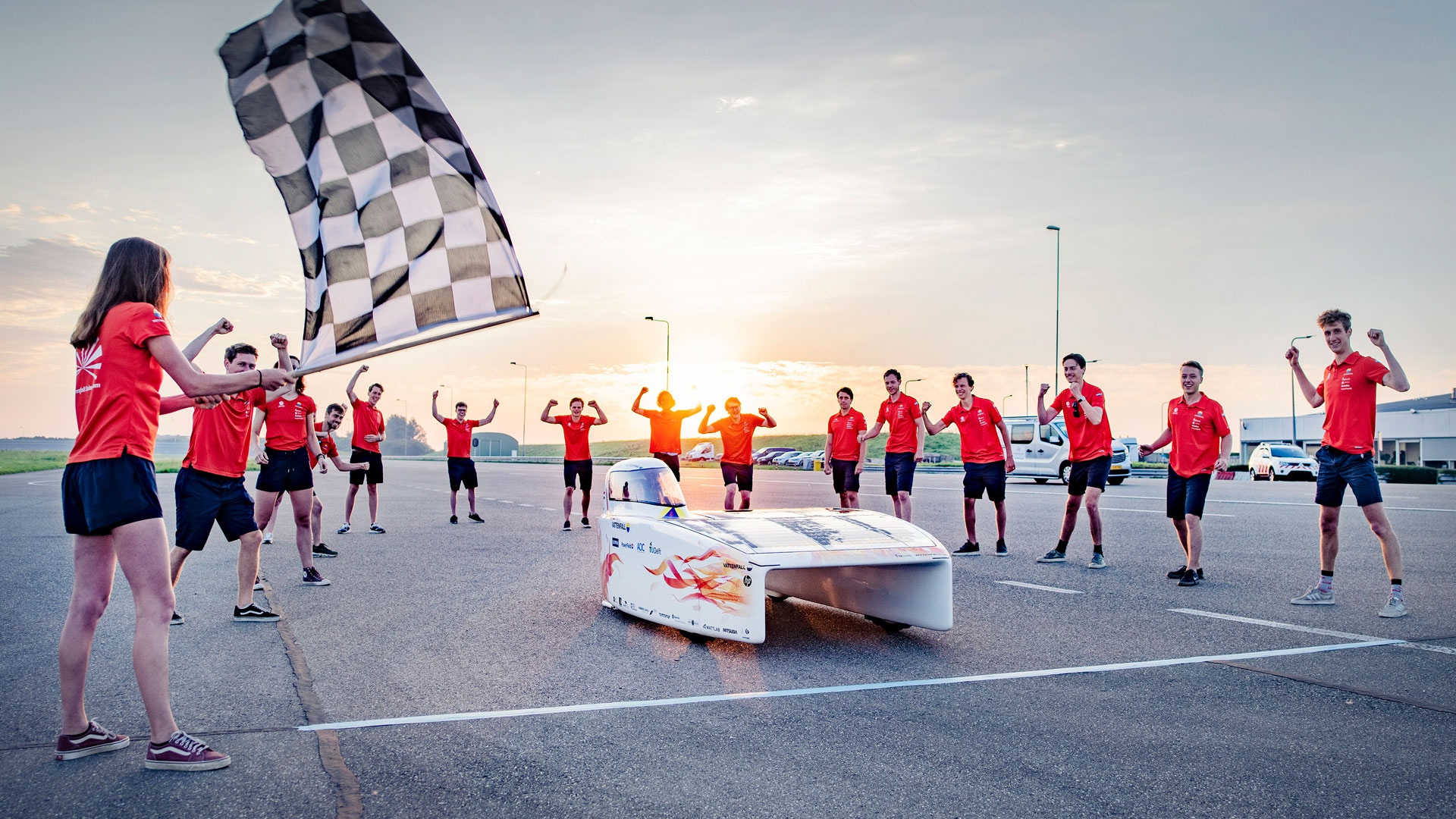
Participation in an international solar race is not possible this year due to the coronavirus. The Vattenfall Solar Team therefore took their self-built Nuna Phoenix solar car to the RDW (Department of Road Transport) test track in Lelystad in the Netherlands in an attempt to set a new world endurance record. A special aspect of the record attempt was that it was the first time the Nuna would be seen in action this year – a moment the Vattenfall Solar Team had been looking forward to for months.
To break the world endurance record held by the Nuna 8s since 2017, the Nuna Phoenix would have to travel at least 882 kilometres in 12 hours – more than 300 rounds. In the end, the solar car ran 328 rounds.
Soft asphalt
The team is used to the heat of Australia, but the unusually high temperatures in the Netherlands really put the team on its mettle. "The heat made the asphalt a lot softer. In the curves the tar strips were like sticky liquorice," said driver Mees van Vliet, who drove the car over the finish line.
Team member Jan Groot, who was responsible for strategy as well as monitoring the weather and cloud forecasts, decided shortly before the planned starting time to delay the start by half an hour to increase the chance of success.
Four drivers took turns during the day, each for a stint of three hours. While the drivers switched places, the other team members sprayed water on the solar panels to try to cool them down.
50 degrees Celsius
The starting shot sounded at 7 a.m. The first driver, Marloes Nanninga, got off to a flying start. The other drivers also took their turns as planned. Changing drivers every three hours was certainly necessary on this hot day, according to Mees van Vliet: "The cabin is not comfortable, as temperatures can rise to about 50 degrees Celsius."
At 7 p.m. the Nuna Phoenix whooshed over the finish line of the RWD site in Lelystad. Team captain Niek Hogenboom responded with relief and satisfaction: "We've done it, this is really great! A new world endurance record, when just a few weeks ago we didn't know if the car would ever race. We really pulled it off, and I'm proud of our team!"
See also
What can the energy transition mean for European competitiveness?
European industries are still dependent on imported fossil fuels, which can increase energy prices – and create a situation where the continent will always be third best after USA and China....
Rethinking cement: cutting emissions at the source
Cement is one of the world’s most widely used construction materials – but also one of the largest sources of emissions. That insight marked the starting point for Swedish company Cemvision,...
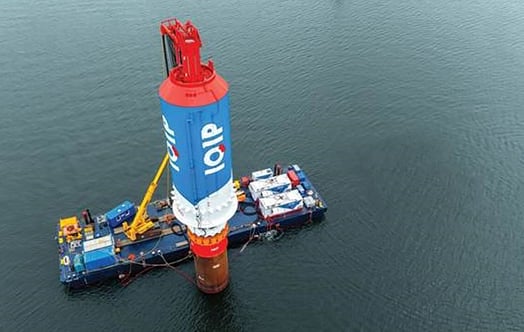
IQIP, EnBW and Vattenfall announce full-scale offshore monopile installation using EQ‑Piling technology
IQIP, EnBW and Vattenfall: Offshore installation of a complete monopile using EQ-Piling technology