
THE EDIT
Your monthly briefing on the journey to fossil freedom
Issue #36, Rethinking Heat, September 2026
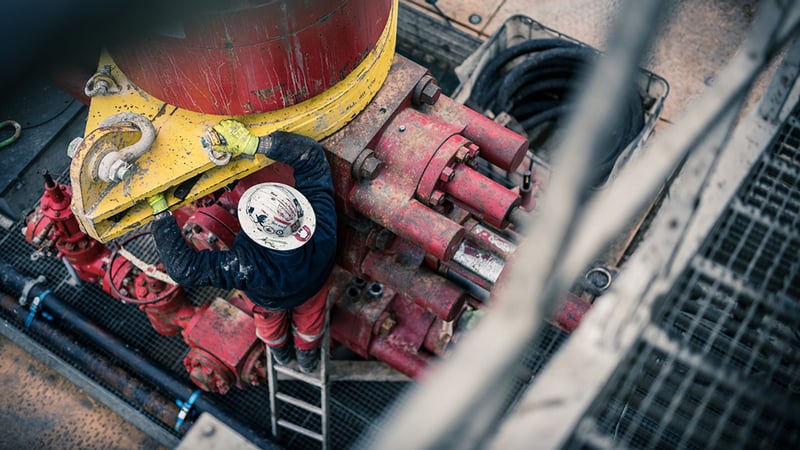
At work on geothermal energy in the Netherlands, where heat from deep underground could play a growing role in district heating. Photo: EBN/SCAN.
The Dutch are digging deep for heat
What to know: The Netherlands is looking to scale up geothermal heat as it expands district heating and reduces the country’s reliance on gas. By drilling two to three kilometres underground, projects can extract naturally occurring heat. Thanks to extensive geological studies, the country already has great knowledge of what lies beneath the surface.
Why it matters: As more geothermal heat networks come online, they can help reduce pressure on the Dutch electricity grid by serving multiple homes and businesses through shared infrastructure, rather than relying on individual heat pumps. This could play an important role in easing demand on an already stretched Dutch grid. Because the heat is produced locally, it can reduce dependence on imported energy. “Geothermal is very local, and that makes us less vulnerable,” says Michiel Houwing at Dutch state energy company Energie Beheer Nederland (EBN) to the THE EDIT.

Parisians cool off by a fountain as summer temperatures rise across the city. Photo: Adobe Stock.
Why heat pumps are perfect in summer
As heatwaves become more common across Europe, heat pumps are gaining attention for more than winter heating. Many air-to-air models can run in reverse to cool homes, while interest in replacing gas boilers is also rising due to volatile fuel prices. For homes with rooftop solar, the need for summer cooling will often coincide with periods of high solar generation, making the combination particularly practical.
Capturing the future

Carbon capture and storage (CCS) is an important part of the EU’s strategy for decarbonising the heavy industry, such as cement, steel, and chemicals. This needs to happen fast. By 2040, the European Commission estimates that the EU will have to store around 250 million tonnes of carbon dioxide per year.
The Conversation summarises plans for different European countries
Putting excess power to work
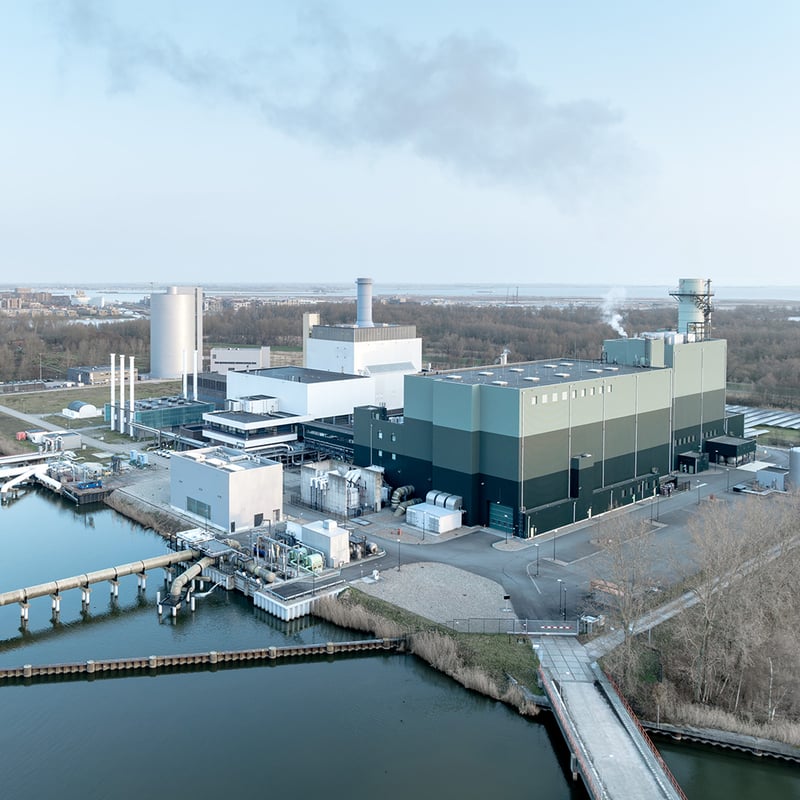
Photo: Jorrit Lousberg/Vattenfall
When wind and solar power are plentiful, Vattenfall’s new 150 MW e-boiler in Diemen in the Netherlands can put that electricity to work as heat. Think of it as an industrial-scale electric kettle: it uses electricity to heat water for the district heating network, enough to supply around 20,000 homes in Amsterdam and Almere. By switching on when electricity supply is high, the e-boiler adds flexibility to an energy system increasingly powered by wind and solar.
News flash
3 x quick updates from the energy world

Photo: Adobe Stock
Sand with fewer footprints
A year ago, the Finnish town of Pornainen installed the world’s largest sand battery, a challenger to the lithium-ion battery. New data shows that the sand-based solution has cut emissions from heating by nearly 70 per cent. (oilprice.com)

Photo: Adobe Stock
A game of two halves
The medals have been awarded, and the fans have travelled home. So, what was the impact of this summer’s World Cup? Enormous amounts of joy – but also increased emissions and energy use in every host city. (planet2050.earth)
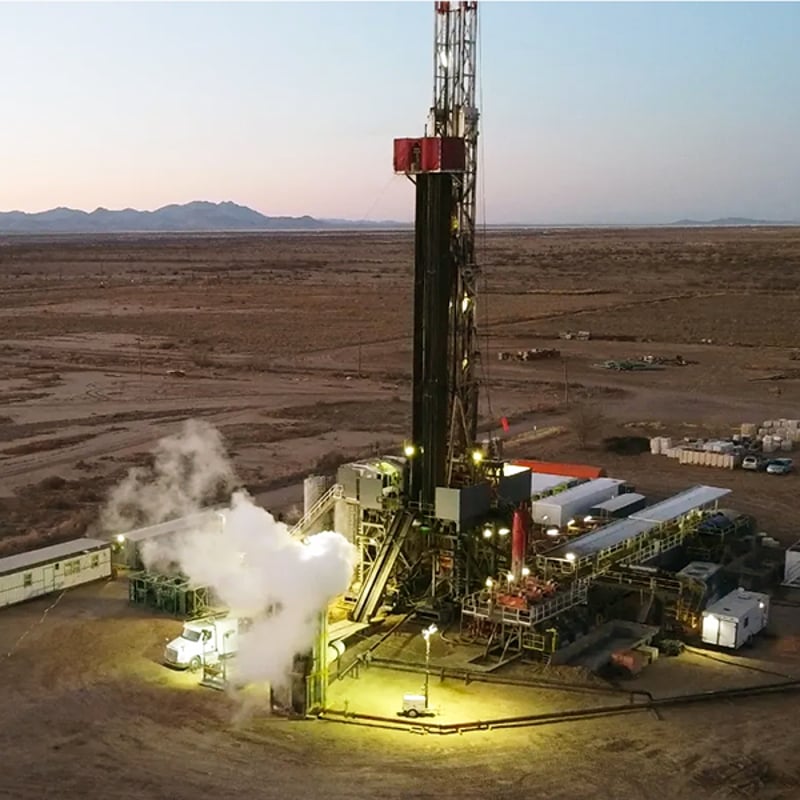
Photo: Zanskar
Drilling deeper
A New Mexico geothermal power plant lost heat rapidly when a company tried to improve its results. The solution? Drilling deeper and finding new geothermal systems – with the help of AI. (wired.com)
And finally …
Raw fossil-free power
Can a music festival become completely fossil-free? Gothenburg festival Way Out West, which in August attracted acts like Gorillaz, Nick Cave and Zara Larsson, likes to think so. With Vattenfall as its Smart Energy Partner, this year’s festival used 100 per cent fossil-free electricity from wind spower to run stages, refrigeration units and lighting, among other things. For the first time, batteries were also deployed to handle peak power demand at one of the biggest stages.