
Issue #31, Security of supply, February 2026
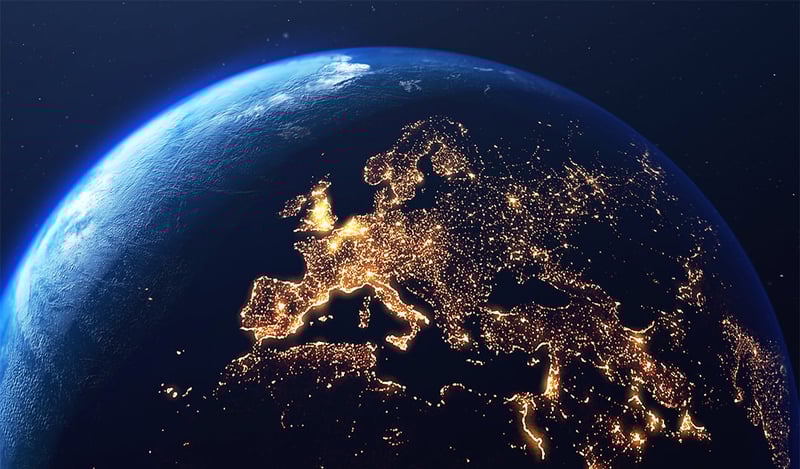
Photo: Adobe Stock
Security first – how to build a resilient European system
What to know: A new report from Eurelectric underscores that electricity is both the backbone of civil society and a strategic target in times of conflict – as the war in Ukraine has shown. In The Edit’s interview with Secretary General Kristan Ruby he argues that a more decentralised system, with electricity from renewable energy sources, plays a central role in a resilient system: “The silver lining to a dark sky is that fossil freedom is not only a climate mantra in this era, it's also an energy security mantra.”
Why it matters: For decades, Europe has relied on predictable partnerships, stable fuel imports and global supply chains. The ongoing developments in Iran and in the Middle East risks triggering new price increases on the oil, gas and electricity markets and it once again emphasises the need for Europe to move away from the dependencies on fossil fuels. Expanding domestic electricity production from wind, solar, hydro and other fossil-free energy sources reduces exposure to imported fossil fuels while strengthening long-term security of supply.
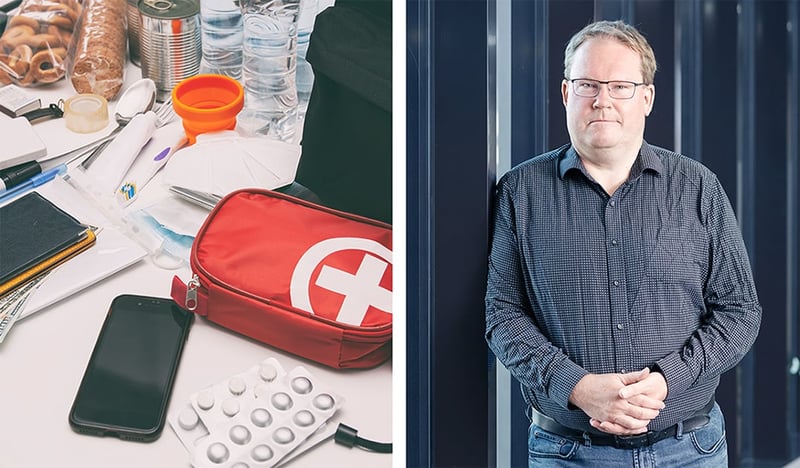
“The point is to give society time to act”. Malkus Lindroos, Vattenfall’s energy advisor in Finland, on how the nation is leading the way when it comes to preparedness. Photo: Adobe Stock/Vattenfall
Want to be prepared? Learn from the Finns!
Finland’s approach to preparedness is built on the premise that disruption is not an irregluarity, but part of modern life. Recent events in Europe have underscored how quickly daily events can unravel: From winter storms cutting off power for tens of thousands, to sabotage in Berlin leaving 45,000 households without electricity, heating or internet access. In Finland, long distances, harsh winters and a culture based of shared responsibility have embedded preparedness into everyday thinking.
Power to the people

Around 730 million people in the world still live without access to electricity, according to the World Energy Outlook 2025 report from International Energy Agency. The IEA estimates that universal access could be achieved by 2025. While this would increase electricity demand, it can also boost agricultural and local industry productivity, expand access to cleaner, non-fossil-fuel cooking, and strengthen energy system resilience in developing countries in the face of growing security risks.
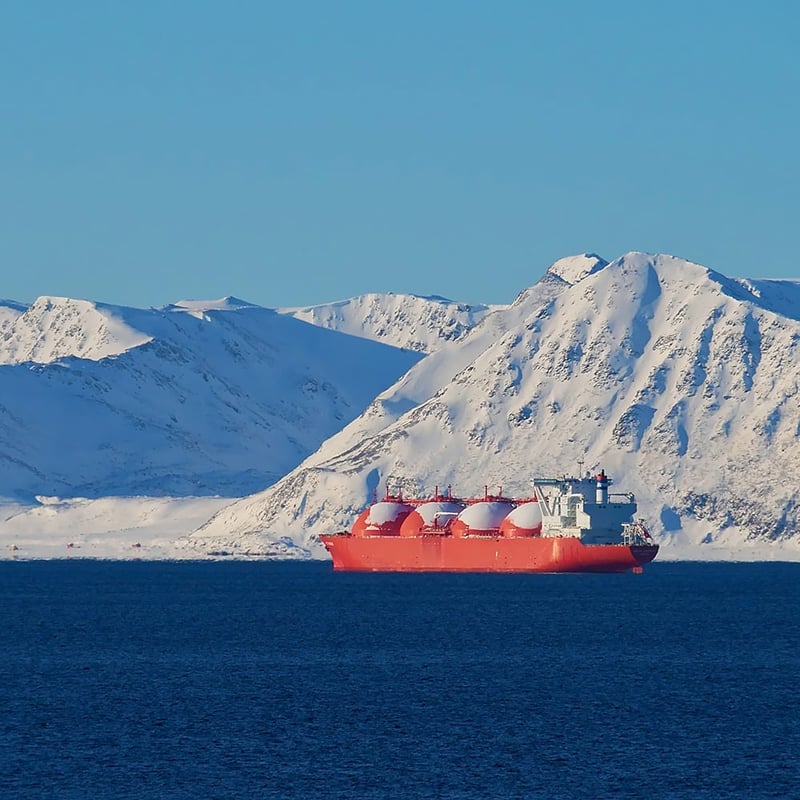
Photo: Adobe Stock
Europe's new gas reality
Four years after Russia’s full-scale invasion of Ukraine, the EU has moved quickly to replace Russian pipeline gas and speed up the shift in the power sector. In 2025, wind and solar generated more electricity than fossil fuels for the first time. But the shift away from Russian pipeline gas has also changed the risk profile: Greater reliance on LNG involves competing in a global market, where cargoes can be rerouted at short notice and cold snaps and geopolitical tensions can drive sharp price rises.
News flash
3 x quick updates from the energy world
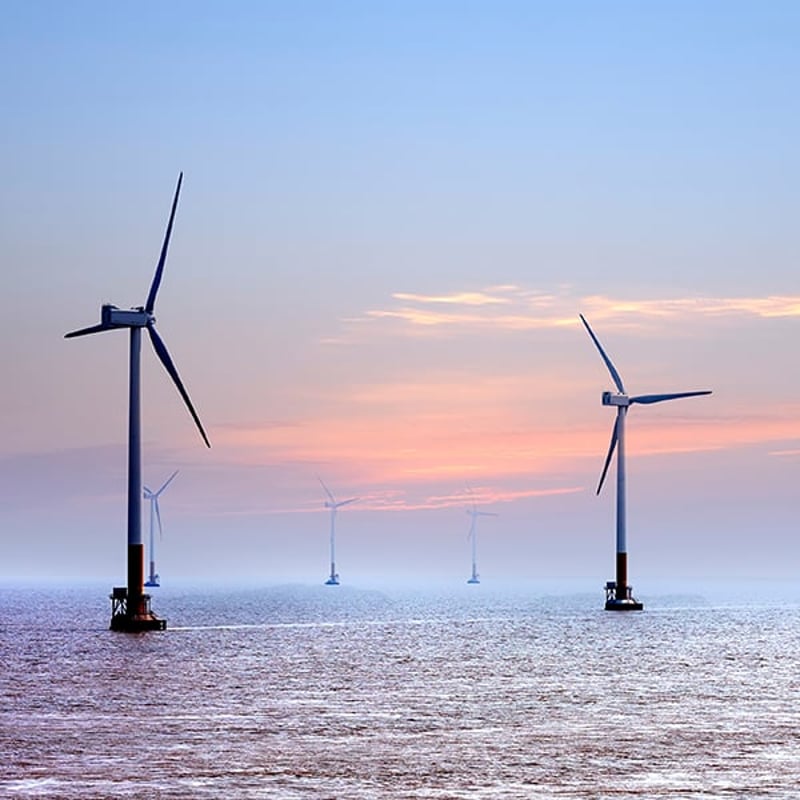
Photo: Adobe Stock
UK's offshore record
The UK government has announced record-breaking offshore wind results in its latest renewables auction. The 8.4GW of offshore wind capacity will generate enough electricity to power the equivalent of 12 million homes. (gov.uk)
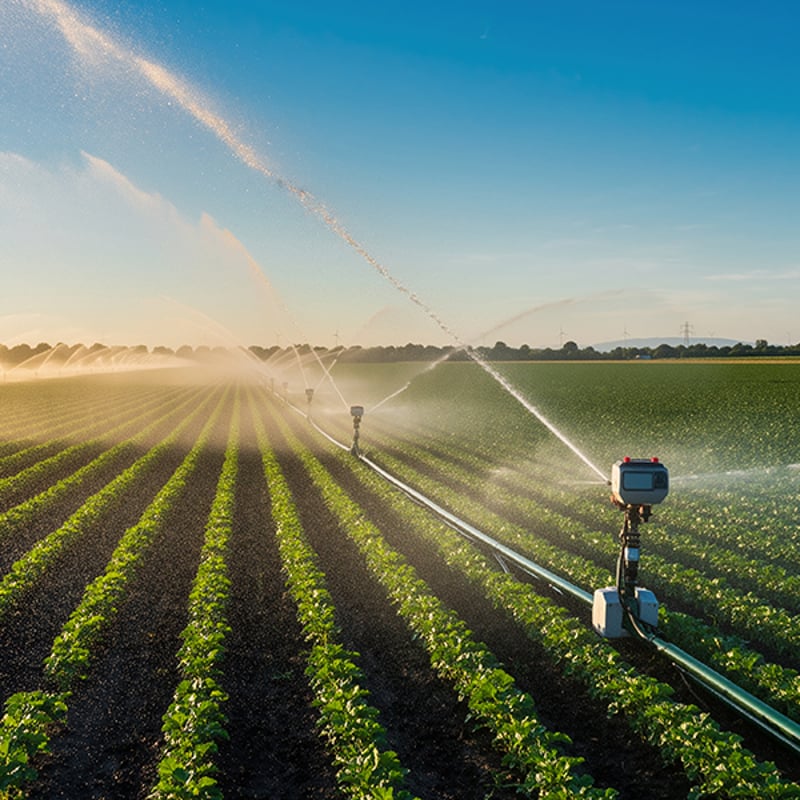
Photo: Adobe Stock
What can we gAIn
The explosion of AI use increases consumption of water and energy. But can artificial intelligence also help save the planet by planning the use of our precious resources? (theconversation.com)
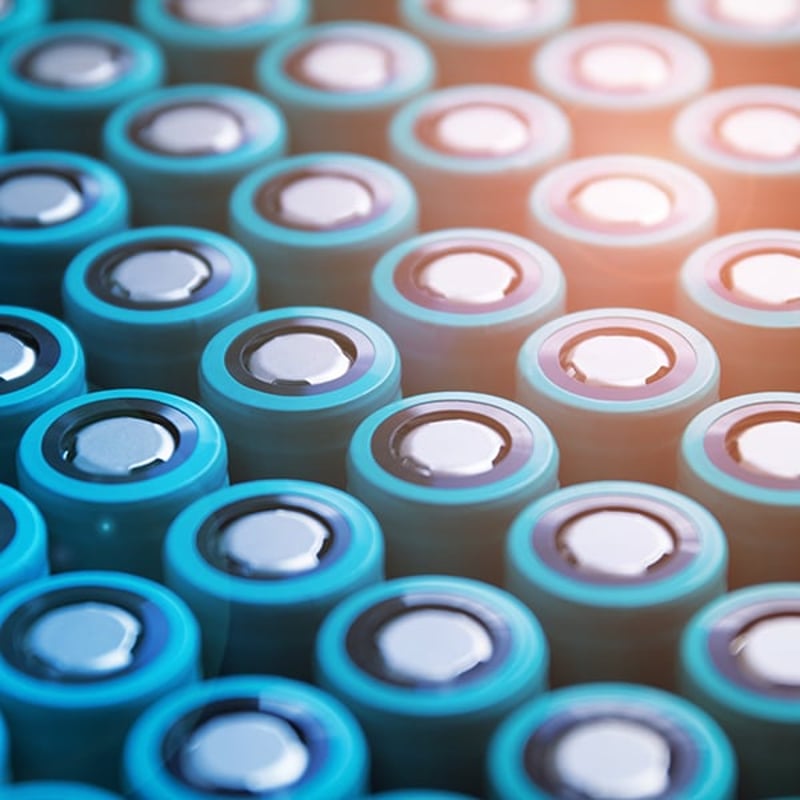
Photo: Adobe Stock
This is the trend
MIT Technology Review lists the hottest trends in EV batteries. Both cheaper sodium-ion and more compact solid-state batteries are technoloigies we’ll see more of in 2026. (technologyreview.com)
And finally …
Follow the sun
What’s the next step once we have solar panels on our roofs, in our fields, and even on our wearables? The answer may be panels that are truly mobile. Jackery, a power hardware company, has launched a solar robot – the Solar Mars Bot – that uses wheels and AI to continuously seek out spots where it can generate the most power, writes T3.