
When Swedish Bruzaholm wind farm is completed this autumn it will not only produce fossil free power. It will also be a shining example of how partnering can spur innovative ideas and bring the carbon footprint from construction down to a minimum.
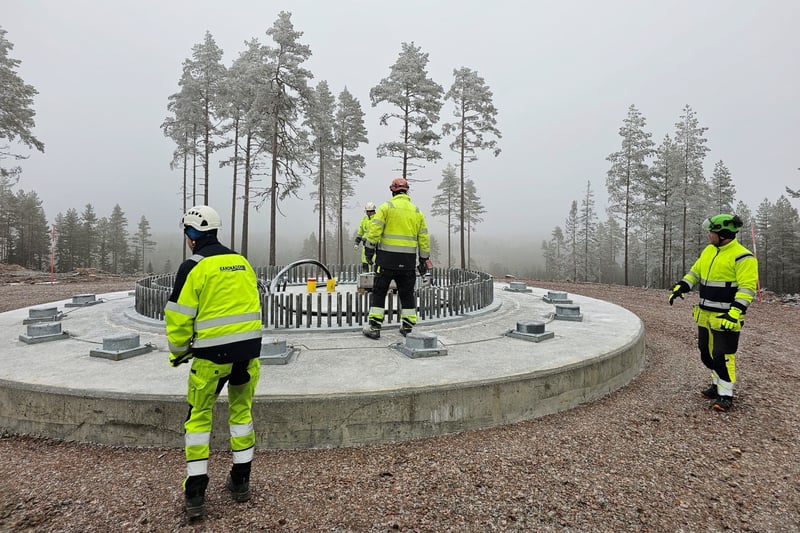
Low carbon concrete is key for the wind power supply chain to reach its net zero targets. Here it is used for the foundations in Swedish Bruzaholm wind farm.
In Bruzaholm in the south of Sweden, Vattenfall is erecting a 21 turbine onshore windfarm. From October 2025 it will deliver an annual output of 460 GWh of fossil free power, an important contribution to the electricity supply in southern Sweden.
What truly sets this project apart is the meticulous effort dedicated to minimising the carbon footprint at every step of the construction process.
Arthur Besse, Head of Onshore Wind Procurement explains:
“At Vattenfall we are committed to become climate neutral across our value chain until 2040 and we have the ambition to half our greenhouse gas emissions from purchased goods and services by 2030. The Bruzaholm project is a concrete example of actions we are making to reduce the climate impact when we build our wind farms.”
This project helps Vattenfall actively work towards minimising the carbon footprints in the supply chain which is an important element on Vattenfall’s road to decarbonisation.
The most tangible example of this commitment lies in the concrete. In Bruzaholm, the carbon emissions from the concrete are the lowest possible, even lower than what is typically classified as eco-concrete.
“The concrete we use in Bruzaholm has a CO2 footprint of 211 kg CO2 equivalents per cubic metre, this is 12 per cent lower than our own internal target for eco-concrete, and the extra price premium is less than 2 per cent. As we will need some 7500 cubic meters for the 21 foundations, it will make a significant difference to the CO2 impact of the project but minimal impact to the budget,” Besse says.
According to the supplier, the concrete achieves a 40 per cent lower CO2 footprint compared to the industry benchmark for conventional concrete. The comparison is based on carbon emissions data, using a reference value provided by the Swedish Concrete Association, Svensk Betong.
Suppliers became partners in sustainability
Low carbon concrete is key to the wind supply chain to reach its net zero targets. But for Vattenfall, this was only one of the measurements when planning for the Bruzaholm wind farm. Equally important was how the contractor for the ground works was selected.
Suppliers often face a difficult choice: submit the cheapest possible tender, or include sustainable measures that inevitably increase costs. For this project, Vattenfall asked suppliers to submit CO2 emission reduction ideas with independent pricing, which could be implemented as part of the project.
This allowed suppliers to present the lowest possible base price while separately offering a list of options to lower emissions. Sustainable measures were a key criterion in the scoring and selection process. The contract was awarded to Kanonaden Entreprenad, and a number of their proposals were included in the final contract.
“Kanonaden Entreprenad was the perfect match for us. It was actually their proposal that we should use this extra CO2 lean concrete. They also brought a good deal of other ideas such as using bio diesel for all site machinery, using recycled plastic pipe for conduits and site signage, and planning the groundworks to avoid unnecessary transportation of rock masses to and from the site. This model for procuring goods and services has proved to be really efficient and successful for all parties. It will now be used as a blueprint for coming projects,” Arthur Besse says.
Meet us at Wind Europe 2025
Vattenfall participates at the Wind Europe conference in Copenhagen 8-10 April. Meet us in our stand D-B30

Subscribe to the newsletter THE EDIT
THE EDIT is Vattenfall's new monthly newsletter. Each issue highlights a new burning issue from the world of sustainable energy and fossil freedom.
See also
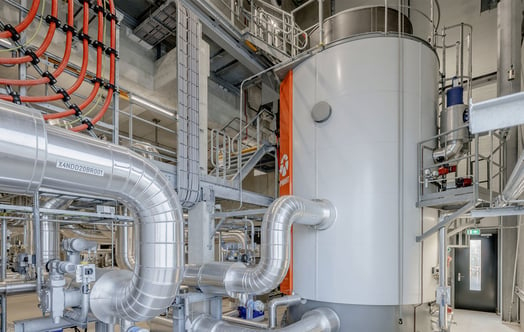
Giant water heater makes district heating more flexible
In Diemen, the Netherlands, Vattenfall converts renewable electricity into heat for thousands of households.
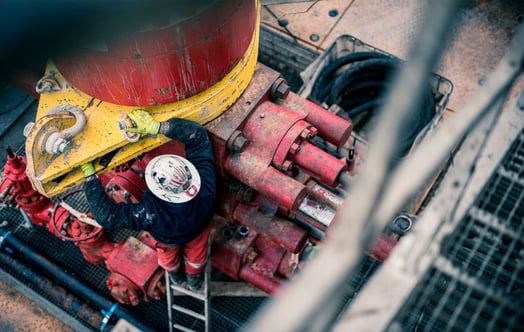
Going underground – Netherlands geothermal heat transition
Geothermal heat and energy is a somewhat untapped source in many parts of the world. For the Netherlands drilling for, and using, heat from the earths subsurface could both relieve the grid ...
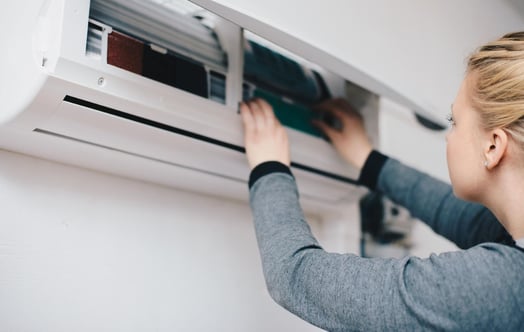
Heatwaves boost interest in heat pumps across Europe
Heat pumps are best known as an energy-efficient way to heat homes. But as heatwaves become more frequent, many homeowners are discovering that the technology can also help keep homes cool.