
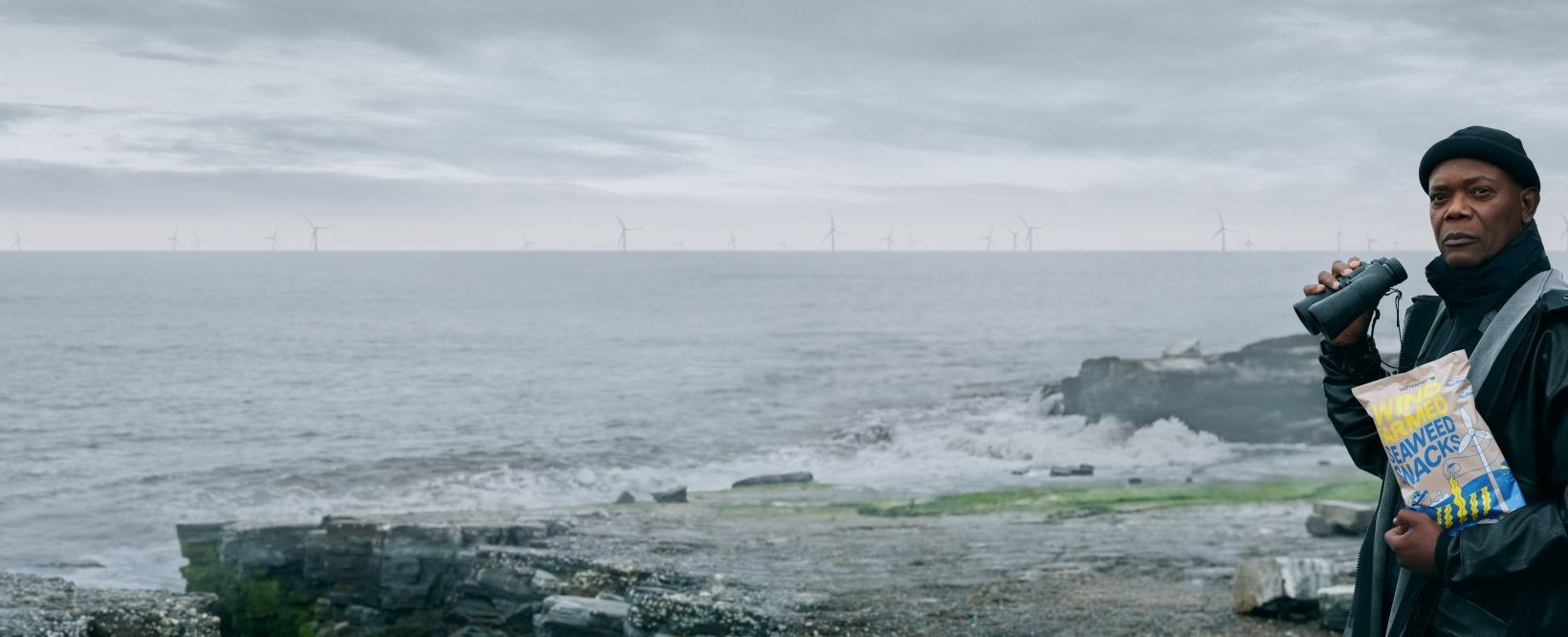
Iconic actor Samuel L. Jackson partners with energy company Vattenfall to unveil Wind Farmed Seaweed Snacks. He does it to showcase — in a way that only he can — the potential of offshore wind farms to not only generate fossil free electricity but also support food production that can help regenerate the marine environment.
Would you like to read more articles like this? Sign up for THE EDIT, your monthly briefing on the journey to fossil freedom.
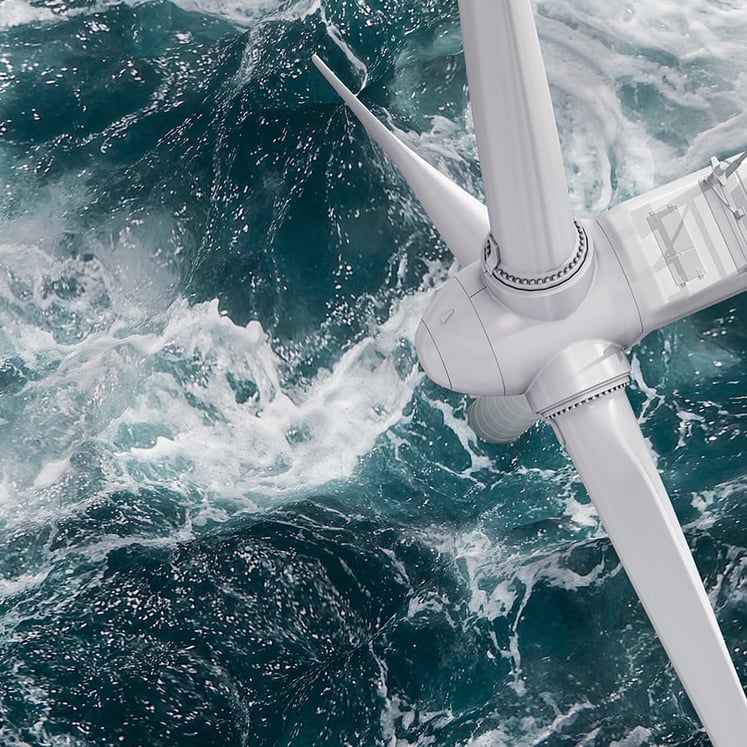
Wind power is crucial in replacing fossil fuels. Offshore wind farms can also benefit ecosystems and local communities. Vattenfall is part of a pilot project called WIN@sea, in collaboration with Danish universities and other companies, where food production and environmental monitoring linked to offshore wind farms and the concept of multi-use of space is being explored.
The marine environment faces pressure from human activities, particularly in the Baltic and North Sea. Cultivating seaweed in these waters can improve water quality and support marine regeneration. Vattenfall emphasises a multi-sector approach, working with industries, academia, NGOs, and unexpected partners like Samuel L. Jackson. As someone who once studied marine biology, Samuel L. Jackson’s passion for marine life has been reignited by this project and he’s excited to challenge people’s beliefs about wind farms.
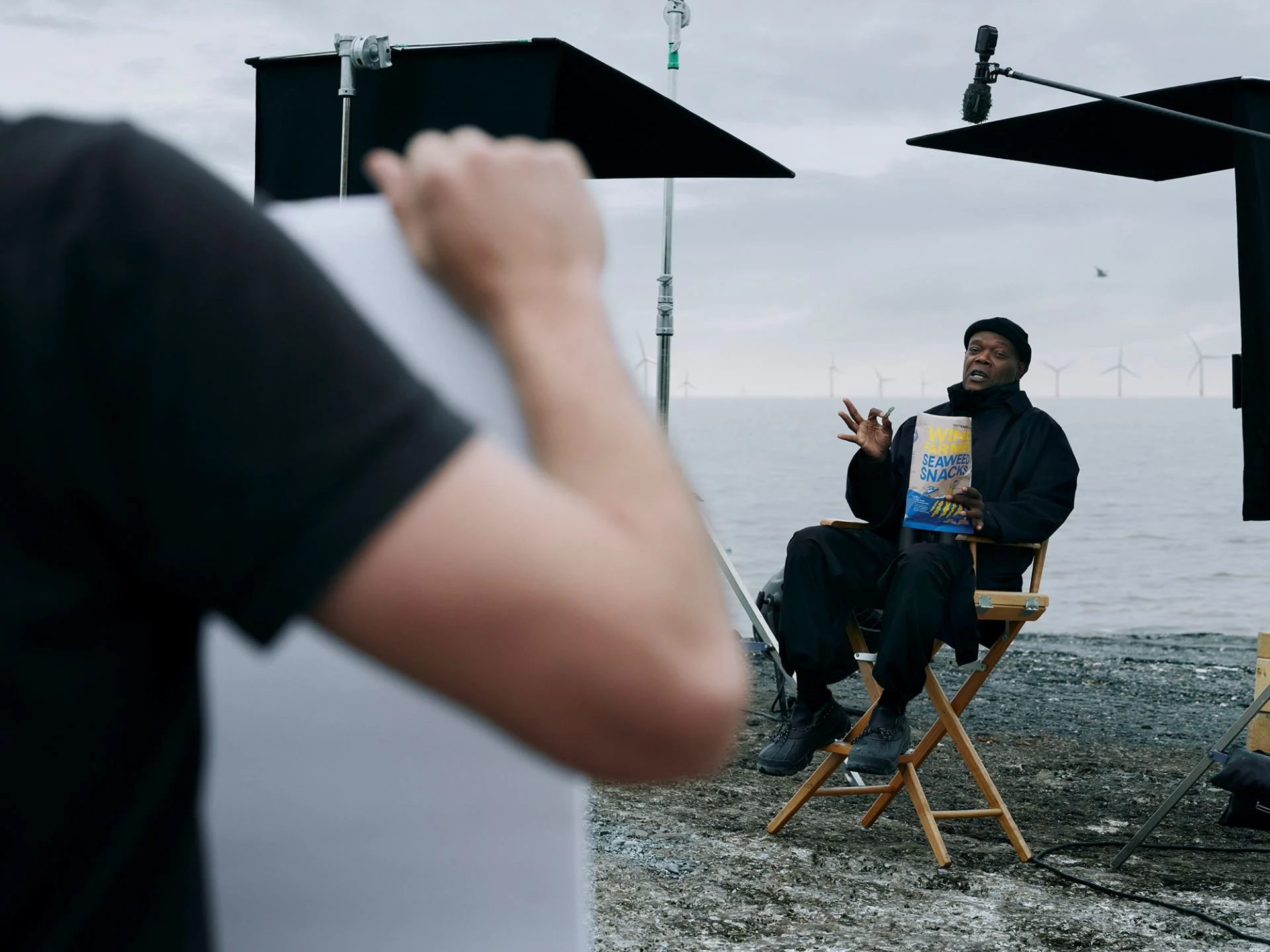
In this interview Samuel L. Jackson explains why it wasn’t just his love for the ocean that drew him to this initiative.
What’s so special about the snacks in this collaboration?
Samuel L. Jackson says: “The seaweed in the Wind Farmed Seaweed Snacks is grown at a Vattenfall wind farm. It’s proof of what’s possible to do at these sites, beyond producing fossil-free electricity. And it’s some serious gourmet sh*t.”
What does wind farming really mean?
“It’s food cultivation at offshore wind farms! The seaweed in these snacks was grown on lines deployed between the wind turbines, using the area within the wind farm to do more than just generate electricity. In the future, we could see many other types of food coming from similar wind farms. Imagine that, eating food grown at the very sites that provide us with fossil-free electricity.”
What do you hope people will take away from this initiative?
“I hope people start seeing wind farms in a new light. They get some sh*t for being harmful to nature, but if you look beneath the surface, they can benefit society in many ways, beyond just providing fossil-free electricity. It’s about using ocean space smartly, growing food for harvest while also having artificial reefs that support the marine environment.”
You’ve been vocal about social justice issues. Does this project align with those values or mark a new direction for you?
“The communities most affected by environmental issues are often those that have the least opportunities to do something about it. Supporting an initiative like this aligns with my belief that we need to be smart and think collectively, embracing innovative solutions to manage our resources and create a better future for all. And it’s more urgent than ever, people!”
Why did you decide to get involved in this initiative?
“It’s time to get serious about solutions where fossil-free electricity production and nature can coexist, and this project with Vattenfall proves that it’s a collective effort. Many players have contributed to making this project a reality, and I’m happy to be a part of it and showcase it to the world,” he concludes.
Note: Although the Wind Farmed Seaweed Snacks are not intended as a commercial product for sale, a limited amount has been produced for this campaign.
See also
Aberdeenshire wind farm delivering more than renewable power: lower‑emission construction and local benefits
Construction of Vattenfall’s Clashindarroch II onshore wind farm near Huntly is demonstrating how renewable energy projects can reduce emissions across their full lifecycle while delivering ...
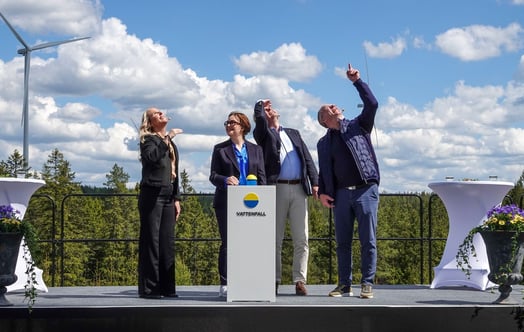
Collaboration and competitiveness in focus at Bruzaholm’s inauguration
The onshore wind farm in Bruzaholm has been inaugurated, marking a step forward for fossil-free electricity and strengthening regional electricity supply, flexibility and competitiveness.
What can the energy transition mean for European competitiveness?
European industries are still dependent on imported fossil fuels, which can increase energy prices – and create a situation where the continent will always be third best after USA and China....