
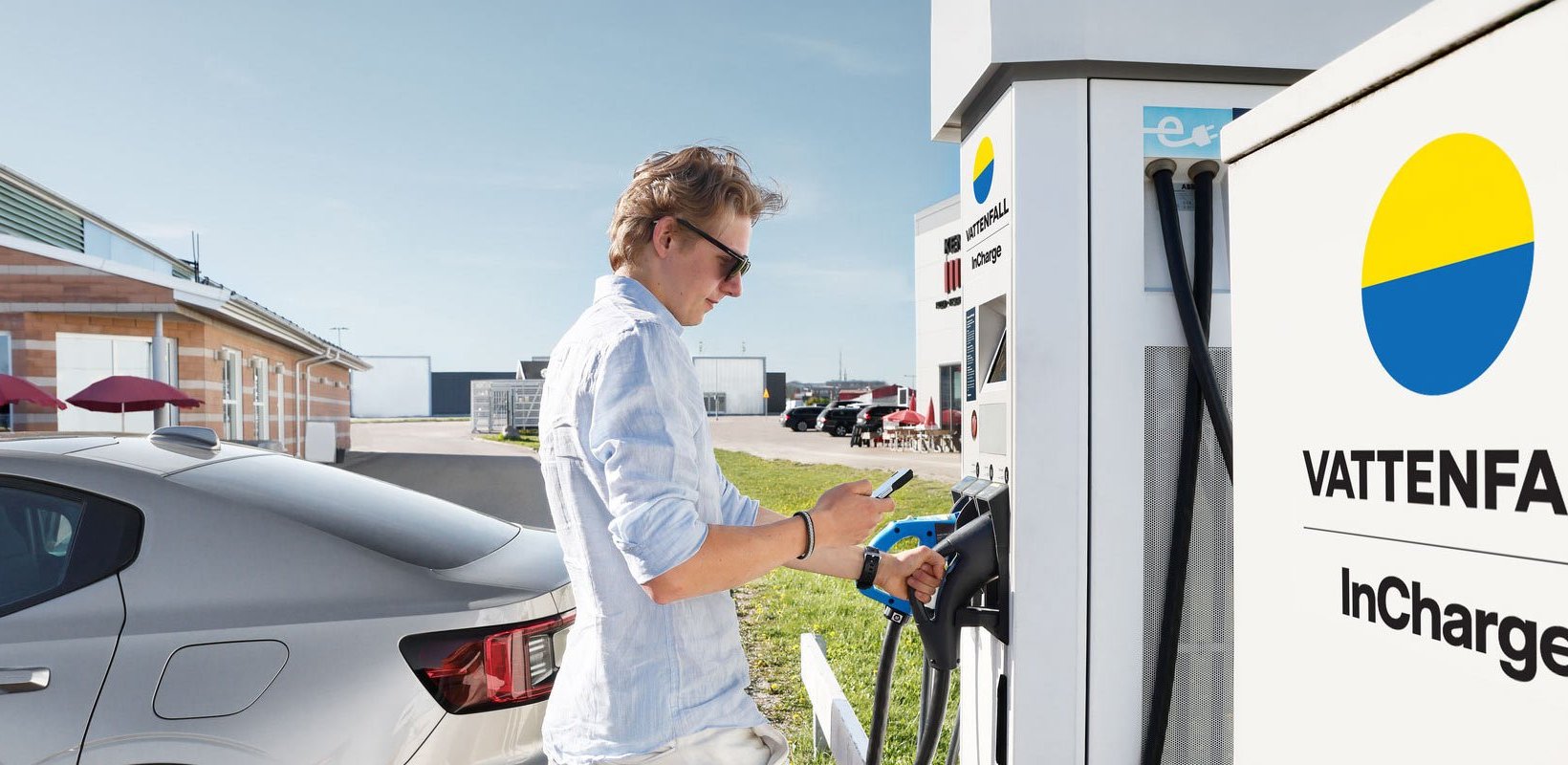
Vattenfall InCharge: Celebrating a milestone on World EV Day
Today, on World EV Day, we proudly celebrate a major achievement in the journey towards fossil freedom. Today in Vattenfall’s E-mobility markets, Sweden, Germany and the Netherlands, electric driving is growing rapidly. Numbers show that in these countries, of all cars 7-13 per cent are electrical.
Vattenfall InCharge celebrates a milestone on this day, 1,000 MW of charging capacity across approximately 75,000 charging points managed through our systems at our e-mobility markets making electric driving accessible, efficient, and sustainable. This capacity reflects our commitment and goal, to help society break free from its dependency on fossil fuels.
Fabian Hagmann, head of E-mobility Vattenfall:
“On World EV Day we’re marking a practical milestone: Vattenfall InCharge now manages around 75,000 charge points with about 1,000 MW of charging capacity and gives drivers access to around half a million charge points through roaming”.
What makes this milestone even more meaningful is that our electric vehicle charging network is powered by fossil-free energy. Every charge contributes to a cleaner environment and a more sustainable transport system.
To put this into perspective:
We’ve reached 1,000 MW of charging capacity in northern Europe. That’s equivalent to:
- the electricity production capacity of 285 onshore wind turbines of 3.5 MW each,
- if fully utilised for one hour, this capacity could deliver 1,000 MWh of electricity —
enough to charge 20,000 electric cars with 50 kWh batteries, which is enough to drive around the world 166 times.
But it is not stopping here. The number of electric vehicles on the road is growing rapidly, and so is our infrastructure. With every new charging point, we’re helping to accelerate the transition to fossil-free living.
“Scale only matters if it is smart and reliable, so we’re investing with partners in public fast charging, workplaces and homes, and in digital services that shift charging to the hours when power is cleaner and cheaper. That’s how e-mobility becomes the easy choice for everyone”, says Fabian Hagmann.
See also
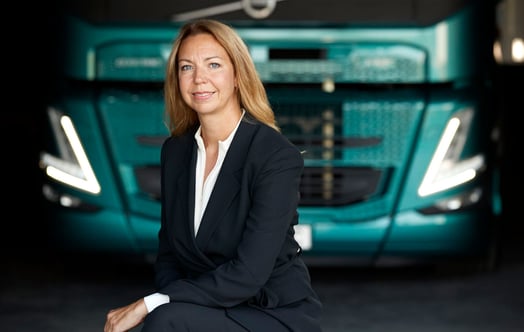
Trucks – a potential heavy player in the transition
The heavy transport sector is in the middle of a major structural shift. With more effective charging through Megawatt Charging System (MCS), with twice the effect as its’ predecessor, truck...
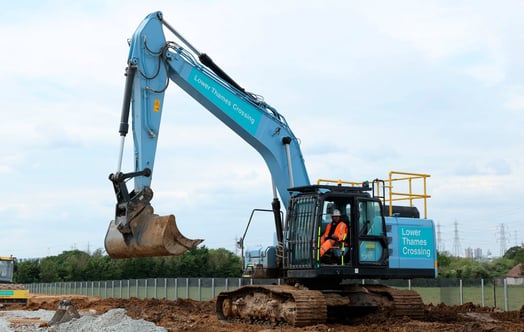
Huge road and tunnel project in the UK aims to reshape construction for the future
Construction is one of the hardest sectors to decarbonise. But in the UK, a major infrastructure project aims to reach carbon neutral by using electric machinery and low‑emission materials.
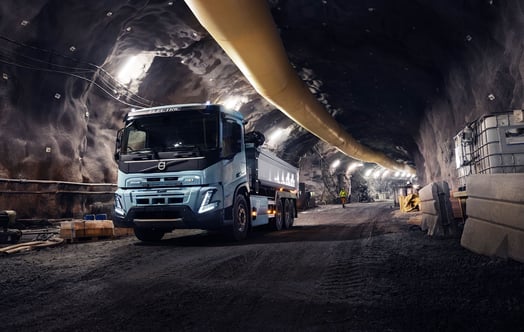
What can the energy transition mean for European competitiveness?
European industries are still dependent on imported fossil fuels, which can increase energy prices – and create a situation where the continent will always be third best after USA and China....