
Transforming waste into energy
Waste can be used to recover energy instead of being sent to landfill.
Millions of tonnes of combustible waste are disposed of in European landfills every year. This poses a significant environmental problem, as these materials release methane when they break down. Methane is one of the most potent greenhouse gases, with a greenhouse effect 25 times greater than CO2.
From waste to resource
Instead of being sent to landfill, waste can be treated to recover energy. Waste that cannot be reduced, reused, or recycled is converted into district heating and electricity. Capturing and using the heat from waste incineration helps reduce climate impact and supports a more circular economy.
After energy recovery, metals and salts can be extracted from the ash and slag, ensuring that even residual materials contribute to resource efficiency.
In Sweden, around 6.2 million tonnes of waste are recycled each year, providing approximately 30% of the country’s district heating and 2 TWh of electricity. Thanks to extensive district heating networks, Swedish plants are well equipped to process waste from other European countries for energy recovery. Around 2 million tonnes of waste are received annually, helping to avoid landfill and reduce emissions.
Video player requires marketing cookies.
To view this content please click here to allow marketing cookies.
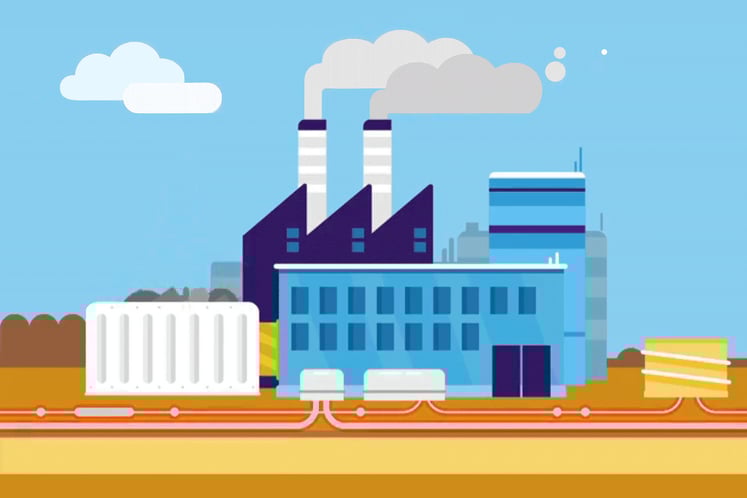
How waste becomes energy
Sweden receives and incinerates waste from other countries in Europe. Learn more in this video about waste import.
Sustainable resource use
We carry out various activities to prevent and reduce waste as well as to optimise reuse and recycling.
Related content
Nuclear power generation plays a key role in supporting the energy transition.
Solar power is essential in a sustainable and fossil free energy system.
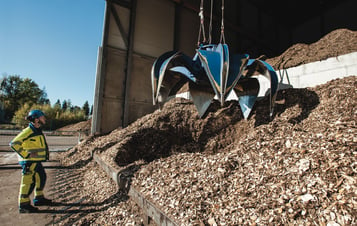
Biomass is a renewable energy source and can be used to produce both heat and electricity.
See also
Vattenfall is a leading European energy company.

We are working with customers and partners to enable fossil freedom.
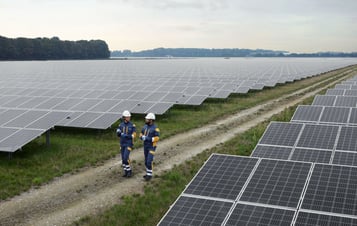
Our transformation should benefit society, local communities, and biodiversity.