
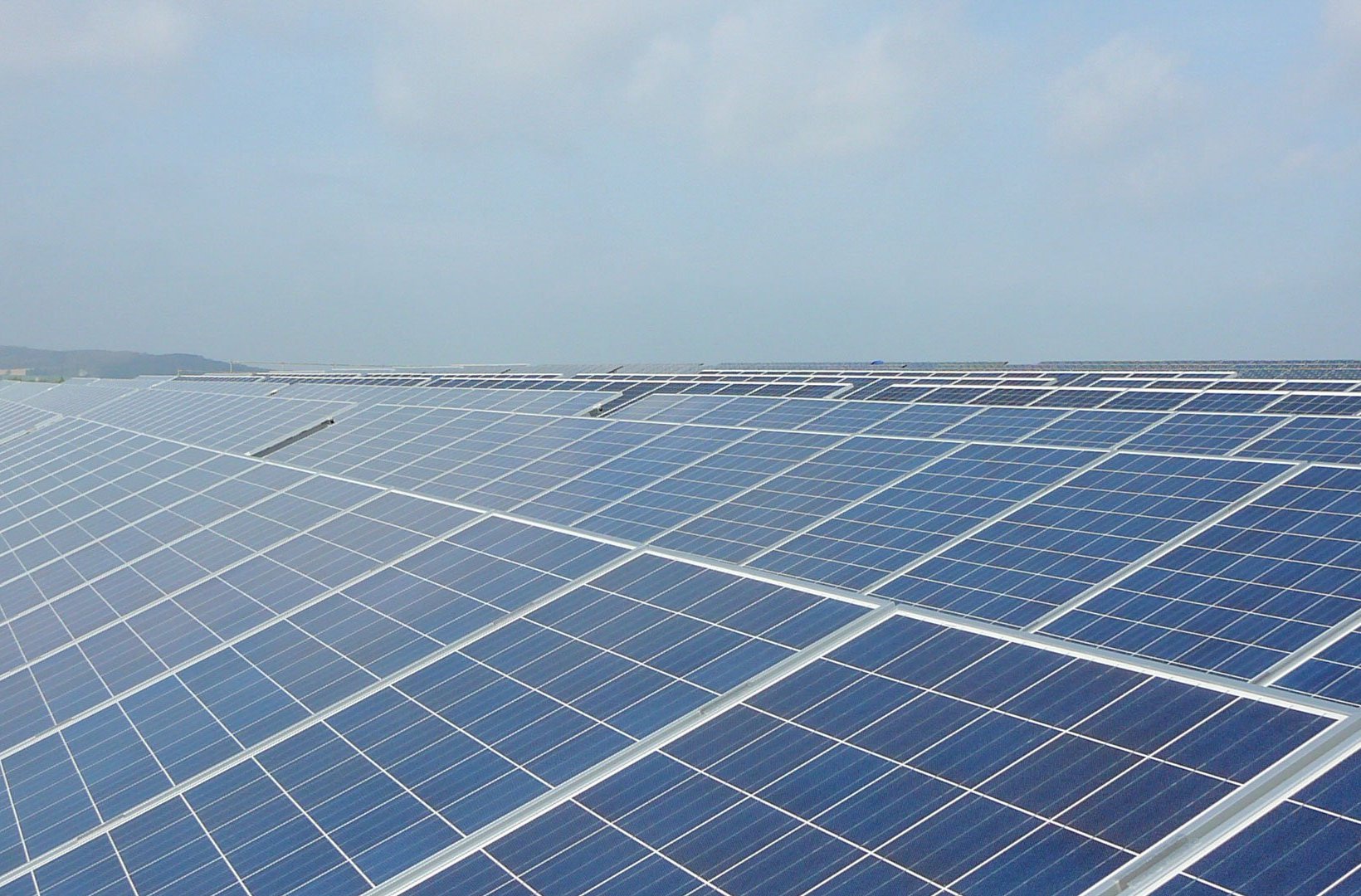
Vattenfall invests in German solar company Solytic
Vattenfall has decided to increase the investment in the German solar management company Solytic. The Berlin-based company started in 2017 with the idea of digitizing the monitoring and optimizes operation of PV plants with the help of artificial intelligence.
In just two years, Solytic has grown to become a leading service company in the area of data management in connection with photovoltaic (PV) plants. Currently, Solytic has 100 000 PV plants with 2 GW combined capacity under management and is targeting significant growth.
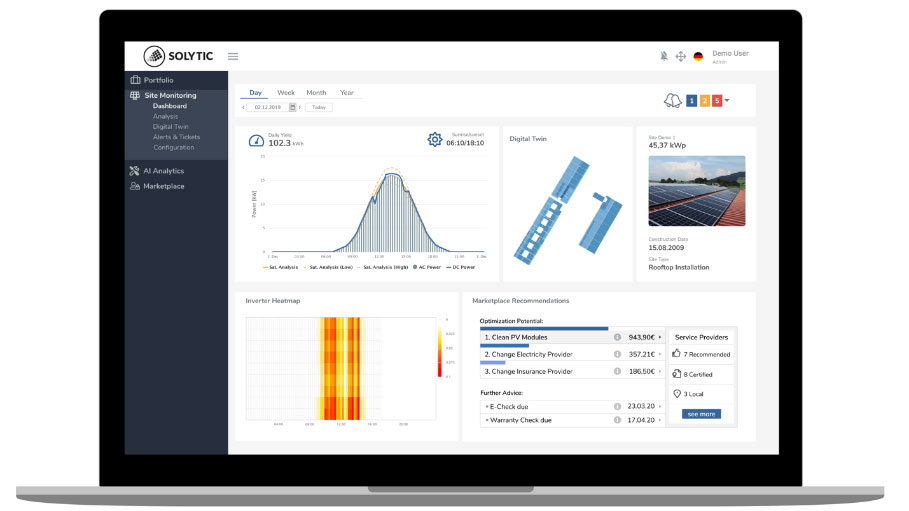
Solytic’s User Interface
"We see significant growth potential in the solar sector. However, economic success depends on constructing renewable plants as cost-effectively as possible and operating them with data support. Therefore, the investment in a company like Solytic, which is clearly focused on digital services in this future-oriented area, is a very sensible investment for Vattenfall," says Gunnar Groebler, Senior Vice President at Vattenfall.
In addition to Vattenfall, the energy and telecommunications company EWE, based in German Oldenburg, and several business angels, including Thelo Investors, have invested in Solytic.
"Strengthened by our second round of financing, the goal is to increase the number of plants managed by Solytic to more than one million over the next three years and to expand internationally,” says Johannes Burgard, Managing director and co-founder of Solytic.
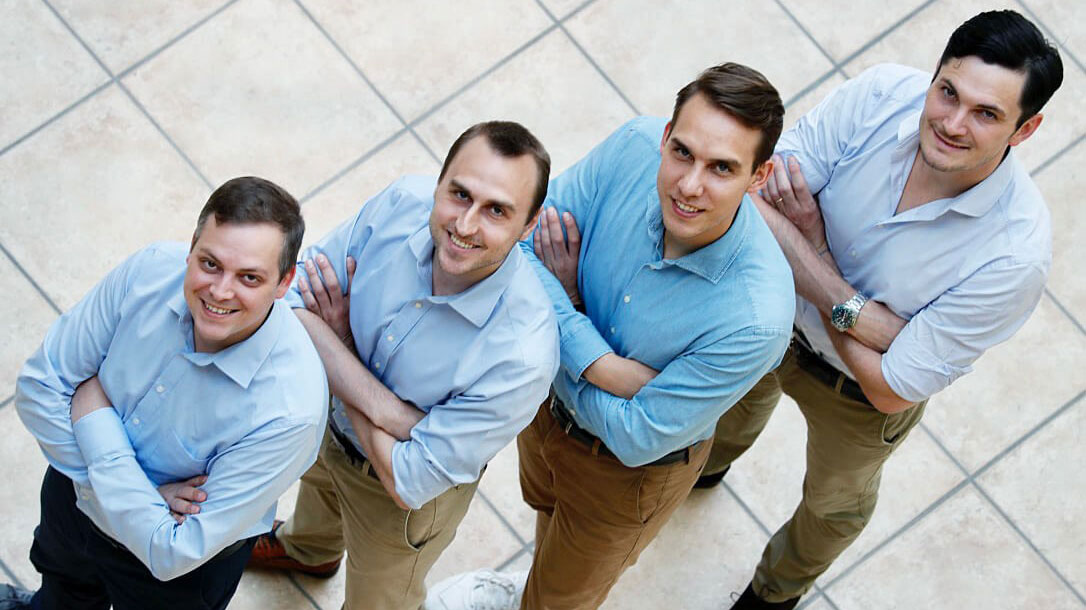
Solytic’s founder team: Steffen Mangold, Johannes Burgard, Johannes Dahl, Konrad Perényi (left to right)
The financial resources now available will be invested in further product development, an expansion of the product range on the company's own marketplace, as well as intensifying marketing and sales.
The software developed by Solytic relies on artificial intelligence to optimise the operation of solar plants by analysing existing data. Weak points of a plant are said to be recognized early, maintenance improved, repair costs reduced, and the overall operation management can be automated.
“PV plants currently pay for themselves after 8-15 years. Here, we see considerable and still unused potential, by making it possible to reach the breakeven point of such plants faster,” says Johannes Burgard.
See also
Vattenfall and Royal Vopak team up to further integrate renewable energy into the Dutch power system
Vattenfall has signed a tolling agreement with Royal Vopak (‘Vopak’) for a portion of the planned battery energy storage system near Meeden in the province of Groningen, the Netherlands.
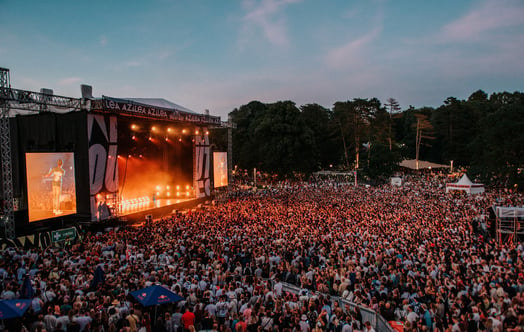
Vattenfall batteries secure fossil-free electricity for Way Out West festival
The Way Out West festival in Gothenburg is one of the biggest in Northern Europe. This year the music festival it is powered by fossil-free electricity and battery storages from Vattenfall.
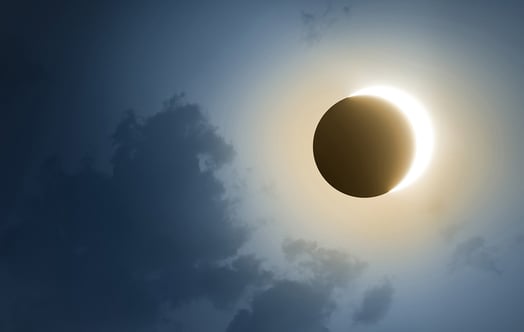
When the Sun disappears: Europe prepares for a temporary drop in solar power
While millions of Europeans watch the solar eclipse on Wednesday evening, energy experts are keeping an eye on a different spectacle: a temporary drop in solar power generation across large ...