
Dutch project to combine solar and farming
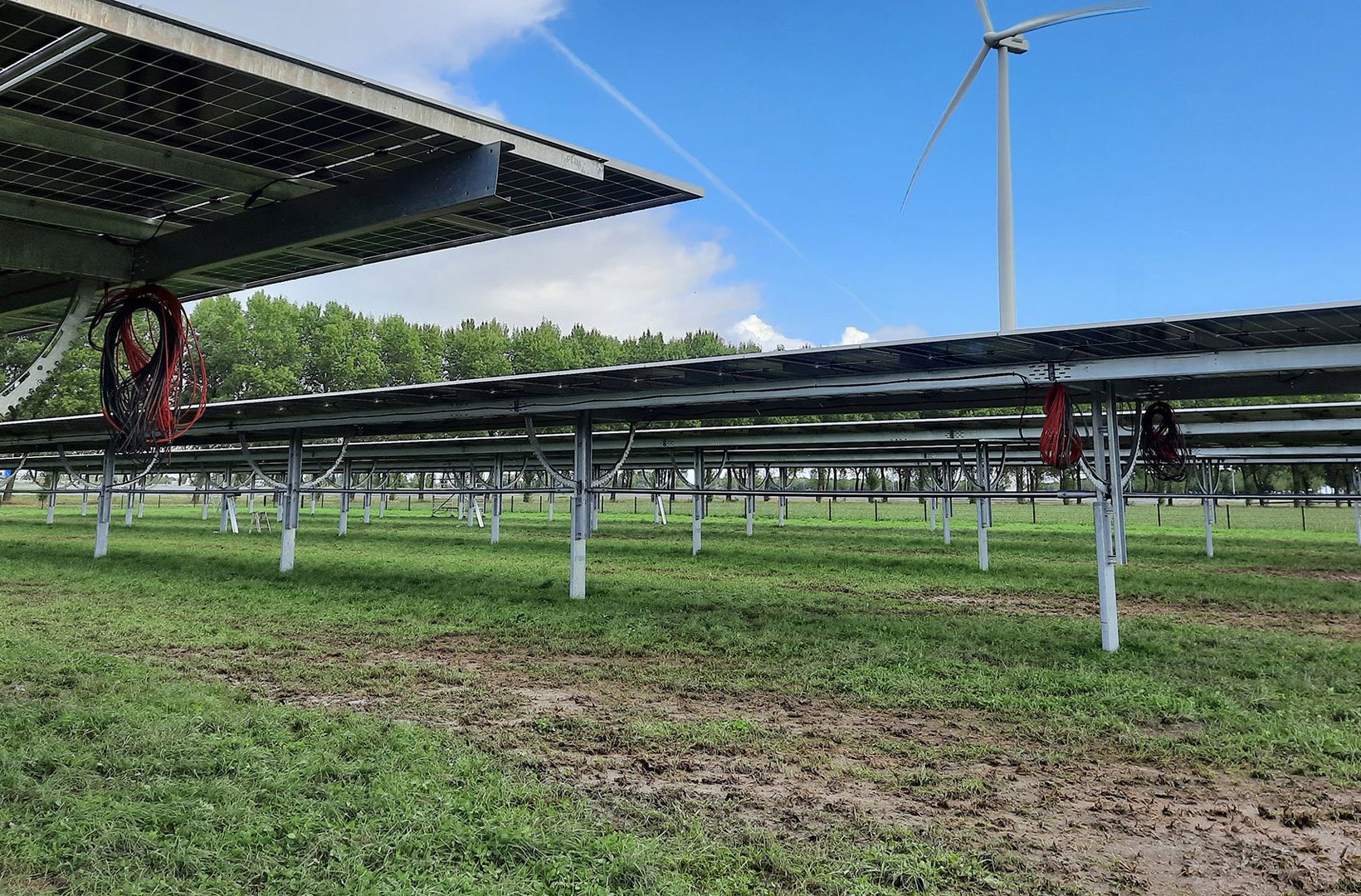
In the Netherlands Vattenfall is constructing a solar park where solar panels are combined with cultivation. The aim of the so-called Symbizon project is to show that farming and solar panels can go well together.
In densely populated Netherlands land use is a hot issue. The Symbizon agri-PV project in Almere just outside Amsterdam aims to find new ways to combine solar power production and agriculture.
Construction started in the summer and will be completed in the autumn. The strips between the solar panels will then be prepared for sowing and planting of various crops in the coming spring.
Double-sided solar panels
In the solar park, the rows of solar panels alternate with strips where various crops are grown for organic farming. As a result, fewer solar panels can be installed per hectare than normal. In order to ensure sufficient energy yield the installed panels are instead double sided. In this way the panels can capture the reflected light from soil, crops and adjacent rows and use it to produce solar energy.
The panels also moves with the sun to maximize the production. The park is being built by Vindo Solar and will have a peak capacity of 700 kilowatts. Initially the soil strips are sown with grass-clover which improves the structure and fixes nitrogen in to the soil.
Carel Kooij, Solar Development Manager at Vattenfall thinks that solar parks and strip cultivation can form a good combination:
“Vattenfall wants to make fossil-free living possible, but we have to do that together. A smart combination of solar panels and strip cultivation preserves the land for food production, improves ecological properties and at the same time provides a positive business case for Vattenfall and the farmer. So it’s a win for all parties.”
During a four-year pilot project, Dutch independent research organisation TNO, in collaboration with Vattenfall and Aeres University of Applied Sciences (UAS), is developing a sun tracking algorithm that monitors various factors, such as crop yield, energy yield and the effects of herb strips, weather forecast, energy price and soil condition.
Aeres University of Applied Sciences, organic farm ERF and its foundation Hemus monitor the effect of the sun-tracking system on crop yield, diseases and ease of use for the farmer. These parties have already gained extensive experience in strip cultivation agriculture
The project is being carried out with the support from the Dutch Ministry of Economic Affairs
The Symbizon project is run by National Consortium Zon in Landschap (Solar in Landscape) which consists of TNO, Vattenfall, Central Government Real Estate Agency (RVB), ERF, Hemus and Aeres University of Applied Sciences.
See also
Vattenfall and Royal Vopak team up to further integrate renewable energy into the Dutch power system
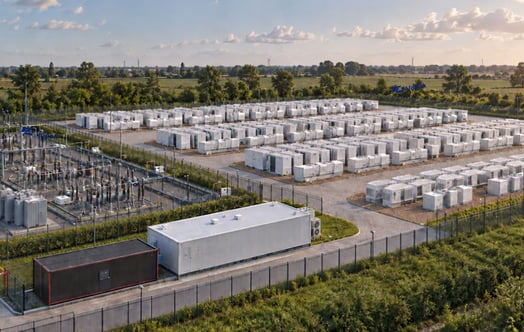
Vattenfall has signed a tolling agreement with Royal Vopak (‘Vopak’) for a portion of the planned battery energy storage system near Meeden in the province of Groningen, the Netherlands.
Vattenfall Business Area Wind maintains leader status in IRBC assessment
Vattenfall’s Business Area Wind has once again been recognised as a Leader in the IRBC assessment, reflecting continued progress in responsible and sustainable business practices.
Vattenfall batteries secure fossil-free electricity for Way Out West festival
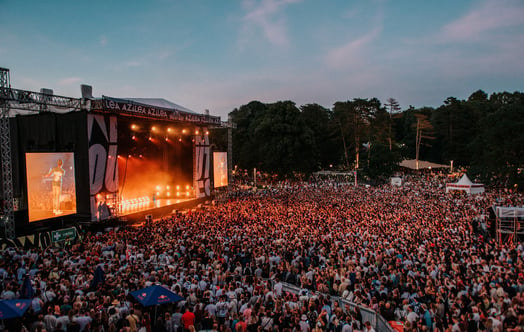
The Way Out West festival in Gothenburg is one of the biggest in Northern Europe. This year the music festival it is powered by fossil-free electricity and battery storages from Vattenfall.