
The premiere of Vattenfall’s newsletter THE EDIT was a success: already 40 000 people subscribe to it. Tomorrow Thursday, 30 March, it’s time for the second issue. Sign up today to get your copy.
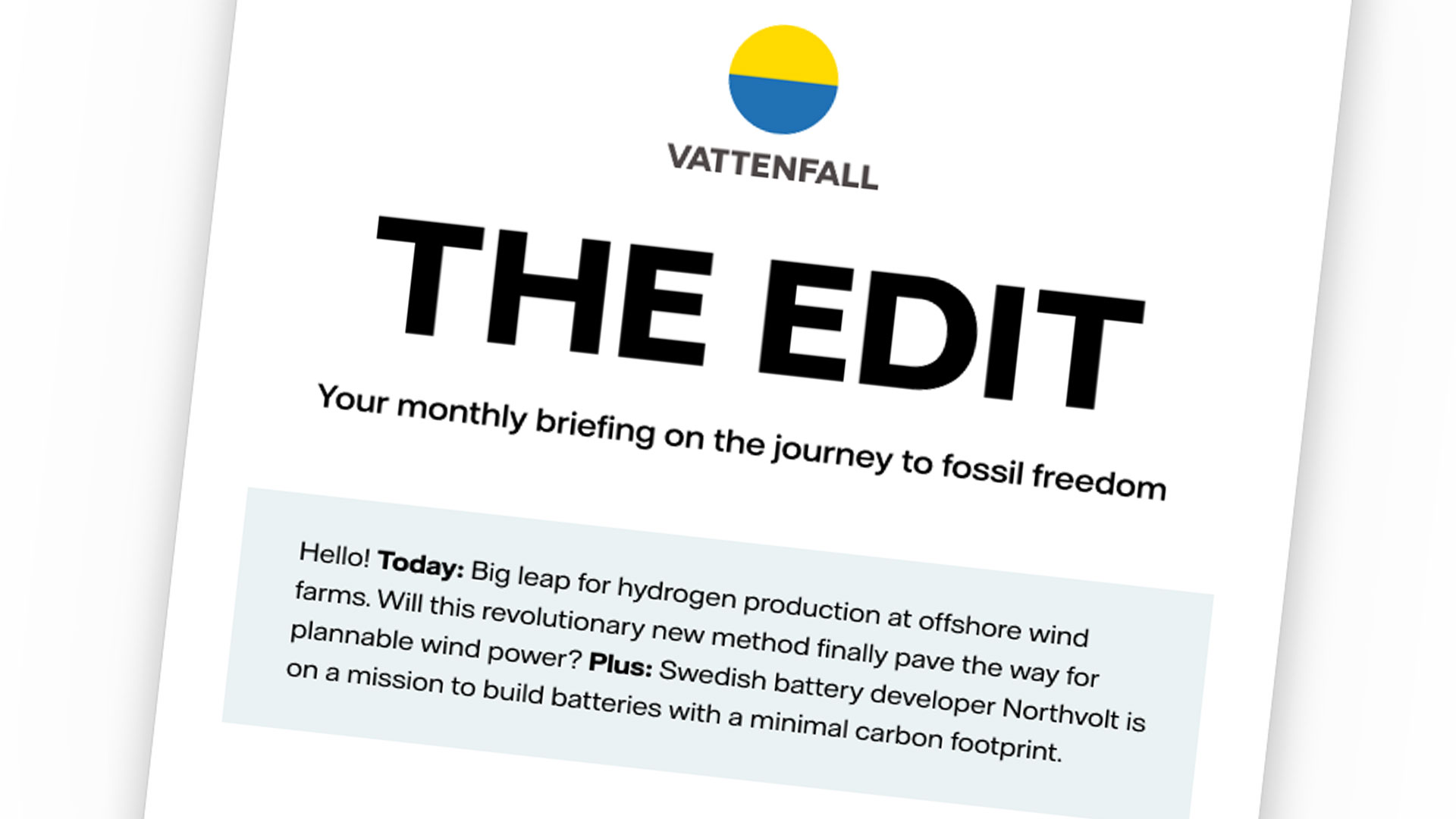
THE EDIT provides our online audience with insights on the journey to fossil freedom, and the ambition is to encourage higher engagement. It shows that we address the challenges of our time, and that there are both hope and solutions – our own and those of others. Every issue will put spotlight on a different theme related to sustainability and the energy sector. The newsletter is in English.
The first issue, published on 1 March, was an immediate success. Already more than 40 000 people have signed up to receive it via email or LinkedIn.
Tomorrow 30 March the second issue will be published. You can sign up here to start subscribing to THE EDIT.
Sneak preview for ISSUE 2 – energy storage
You will read about: Big leap for hydrogen production at offshore wind farms. Will this revolutionary new method finally pave the way for plannable wind power?
Plus: Swedish battery developer Northvolt is on a mission to build batteries with a minimal carbon footprint.
Also in this issue: From the freshly published Annual and Sustainability Report 2022. How batteries transform the energy landscape and a breakdown of growth investments for 2023-24.
See also
Vattenfall Business Area Wind maintains leader status in IRBC assessment
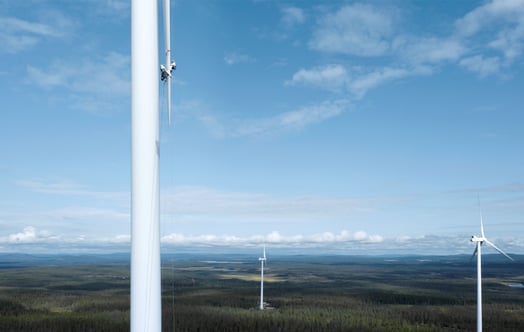
Vattenfall’s Business Area Wind has once again been recognised as a Leader in the IRBC assessment, reflecting continued progress in responsible and sustainable business practices.
Thermal cameras shed new light on bird activity at sea
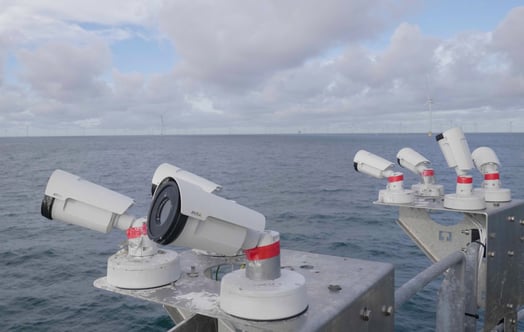
A thermal camera and AI system tested at Vattenfall’s Hollandse Kust Zuid offshore wind farm in the North Sea monitored bird movements around a turbine, day and night. As the technology work...
What it takes to build one of Europe’s largest offshore wind farms
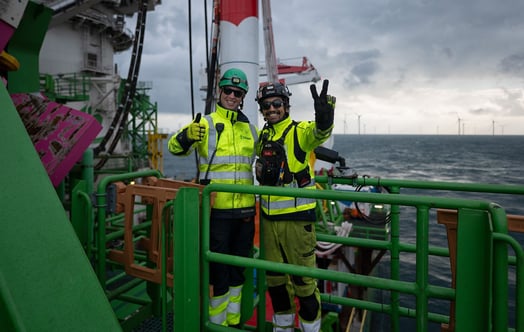
In the German North Sea, the first visible signs of Nordlicht wind farm are beginning to emerge above the sea surface. By 2029, 112 wind turbines will make a strong contribution to the count...