
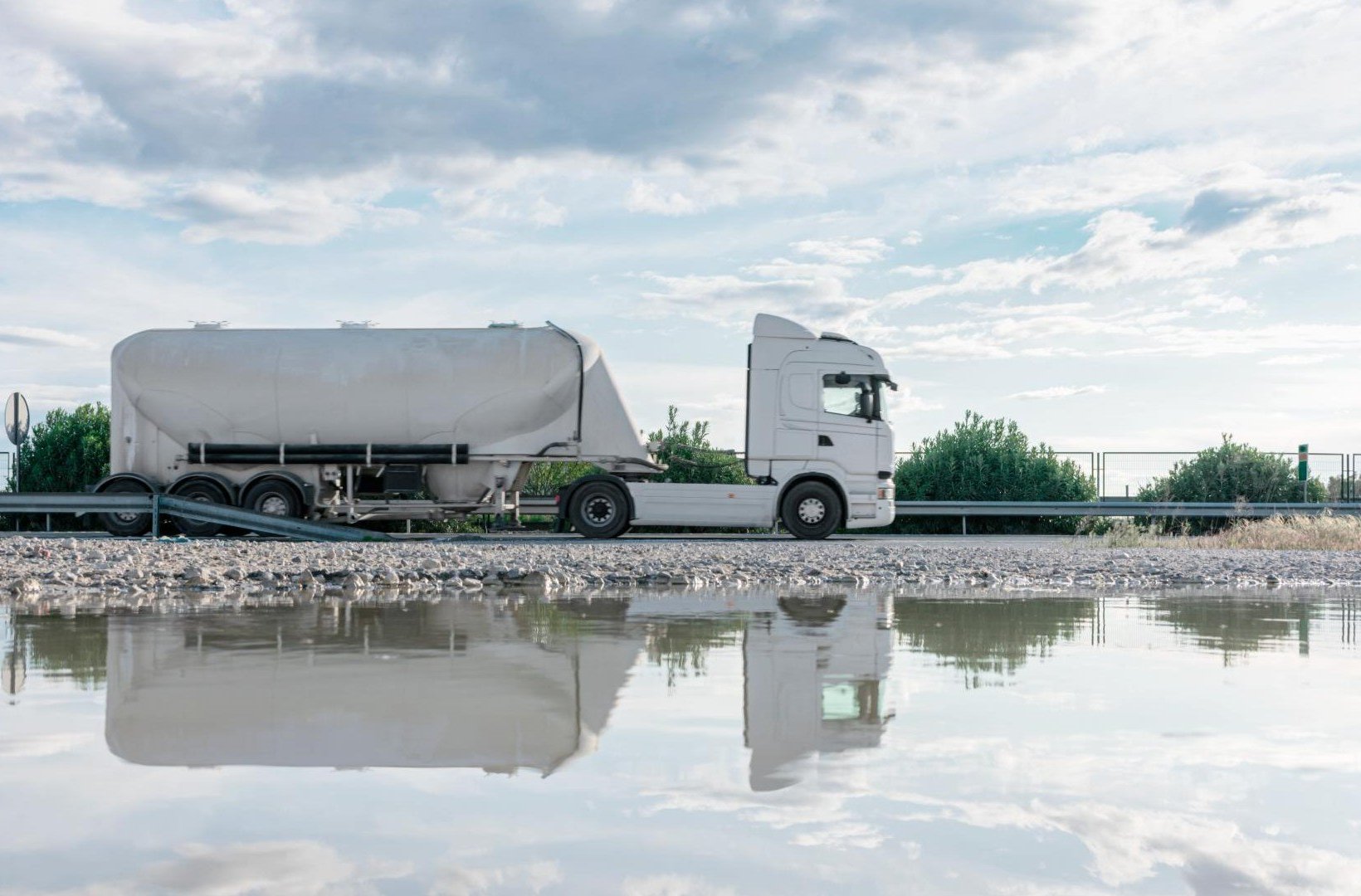
Climate-smart material choices reduce emissions in electricity production
The climate impact of the energy sector is not just about how electricity is produced, but also about the materials used to build new facilities. This is why Vattenfall is working to introduce materials with lower greenhouse gas emissions right from the construction phase.
Electrification is key to competitiveness, to strengthening our geopolitical position and to reducing emissions. When new energy infrastructure is built, the materials used to construct power stations, electricity grids and other parts of the system have an impact on the climate. Steel, cement and other building materials require a great deal of energy to produce – and greenhouse gas emissions arise even during extraction and processing.
“Our choice of materials plays a major role in both today’s greenhouse gas emissions and tomorrow’s competitiveness. By reducing emissions during the construction phase, we are better equipped to cope when demands from customers, investors and regulations change,” says Annika Ramsköld, Head of Sustainability at Vattenfall.
New materials are being tested during the construction phase
New types of cement have been selected to reduce greenhouse gas emissions in wind farm fourndations. In addition, the use of recycled or alternative materials is increasing where technically feasible. For example in solar and wind farms, a type of steel using recycled scrap steel is being tested – an example of circularity that reduces the carbon footprint. New steps are also being taken in hydropower, including Vattenfall’s installation of a dam gate made from 120 tonnes of fossil-free steel – a choice that makes a clear difference to a structure with a high material consumption.
“The selection of new materials with both lower greenhouse gas emissions and circular solutions, are key tools for reducing our climate impact when building new power stations and other energy infrastructure. These examples show that progress is not just theoretical, but is being driven by practical decisions,” says Annika Ramsköld.
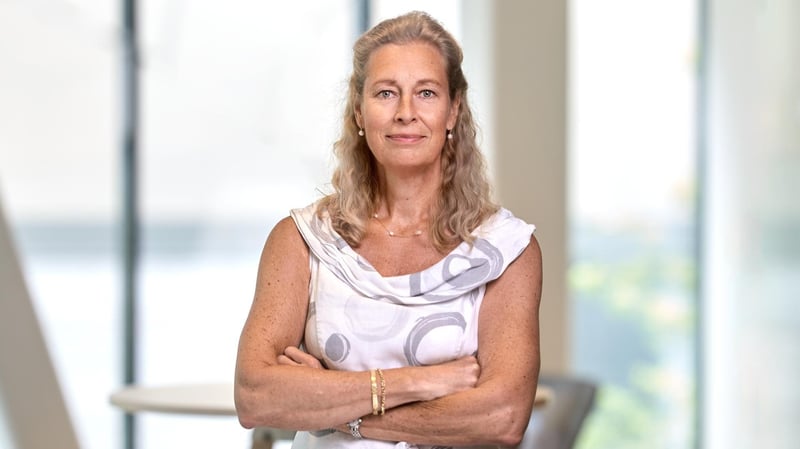
“By choosing materials with a lower climate impact, we are taking concrete steps towards achieving Vattenfall’s targets for reduced greenhouse gas emissions,” says Annika Ramsköld, Head of Sustainability at Vattenfall.
An approach integrated into our operations
The transition to using materials with a lower climate impact is now part of Vattenfall’s way of working. This means that new design solutions, collaborations with materials developers and analyses of materials’ climate impact are carried out on an ongoing basis. At the same time, circularity is integrated early in the design process – to enable reuse and higher recycling rates in more projects.
“Weaving improvements into our work as technology develops and conditions change is a natural part of what we do. We always start from the premise that it is possible to find new ways forward – even when the conditions are complex,” says Annika Ramsköld.
Part of the long-term development work
Work on new materials continues as the market matures and more suppliers offer alternatives with a lower climate impact.
“By recycling, developing, testing and introducing new materials, we are not only creating the conditions for future electrification, sustainable investments and an energy system with a lower climate impact. We are also helping to develop a market where suppliers are given the opportunity to develop and scale up the production of new materials,” says Annika Ramsköld.
Material selection is a key part of achieving climate targets
Choosing materials with a lower climate impact during the construction phase is a central part of the work to achieve Vattenfall’s targets of significantly reduced greenhouse gas emissions by 2030 and net-zero across the entire value chain by 2040.
“Sustainability is an integral part of our business. By reducing our climate impact right from the construction phase, we are taking concrete steps towards the transition, whilst strengthening our ability to meet future demands for investment and climate performance. It’s about doing what we can here and now, at a stage where the transition needs to pick up pace – despite economic and geopolitical uncertainty,” says Annika Ramsköld.
See also
More renewables, less gas: how Europe’s energy system has changed since the war in Ukraine
Replacing Russian gas and accelerating fossil free energy are top priorities in the European Union. Four years after Russia’s full scale invasion of Ukraine, the transition is clearly under ...
Vattenfall highlighted as a driving force in new sustainability analysis
A new sustainability report highlights Vattenfall as a leading example in building consumer confidence around climate change. The analysis shows that trust in Vattenfall is growing faster th...
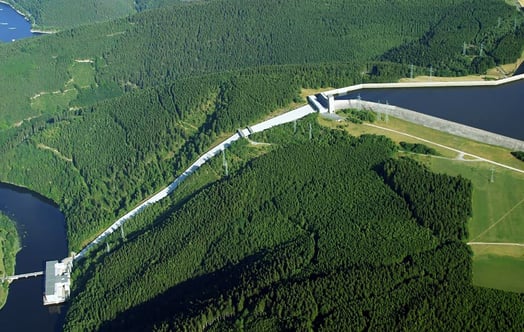
How algorithms are boosting pumped storage hydropower
Pumping water for hydro power production has been done for decades. But new algorithmic tools are now making this method even more valuable for grid stability.