
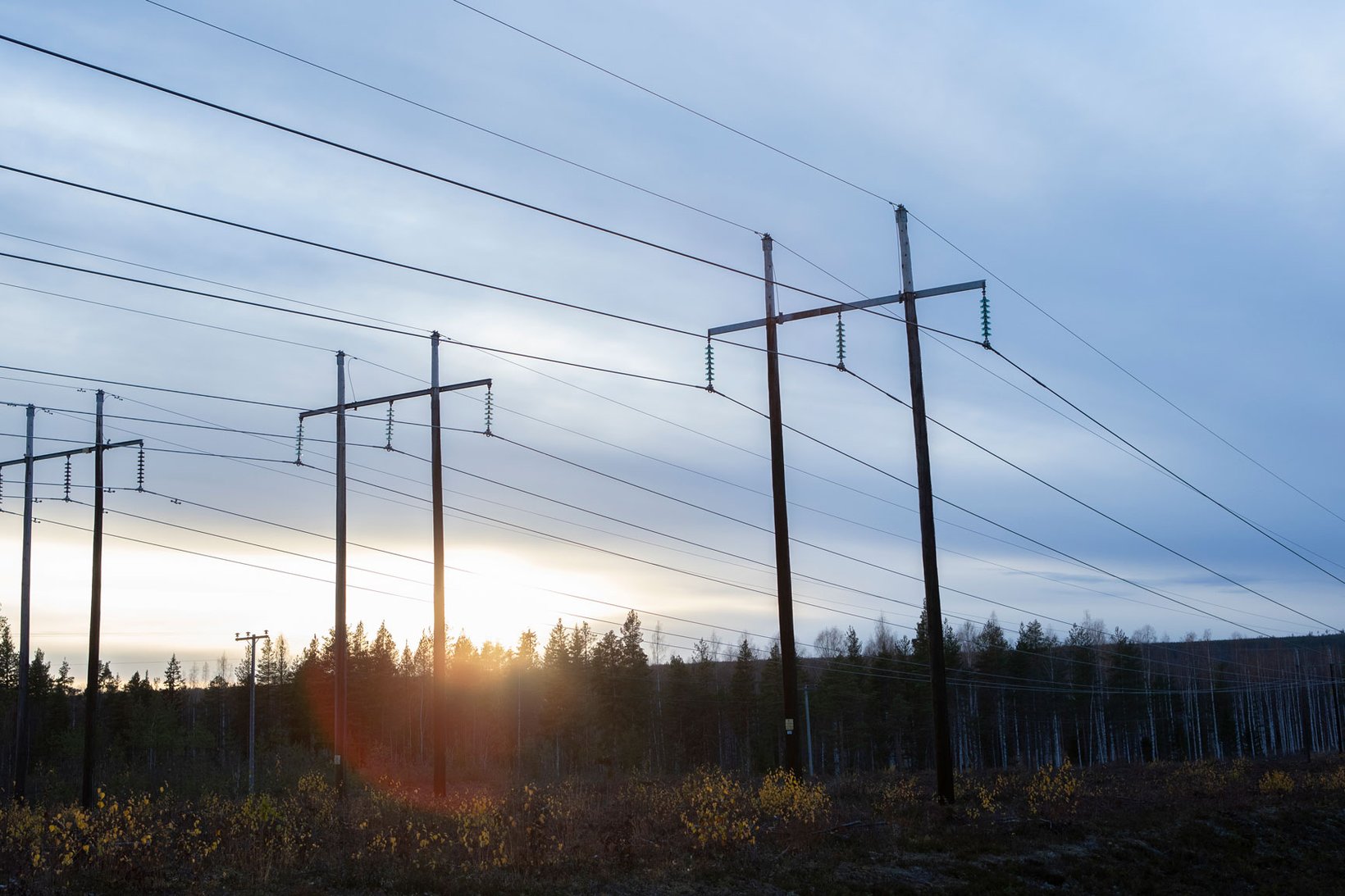
Why electrification cannot wait
When fossil-fuel prices rise, households and businesses feel the impact. Switching to fossil-free electricity can reduce that exposure. Europe worked hard to increase fossil-free electricity production. Now it needs to ensure that more of the economy can make use of it. As policy makers are designing the EU’s energy framework for the decade ahead, electrification needs to be anchored as the direction forward once and for all.
Nearly 77% of Europe's final energy use, the energy used by households, transport and businesses, is not yet electrified, and most of it relies on imported fossil fuels. Countries that committed to electrification, such as the Nordics, have shown to be less exposed to fossil fuel price shocks. Electrification is the most effective way to make Europe’s energy system more affordable and less vulnerable.
Electrification requires clear political commitment to create the confidence for households and industry alike to make the switch. For households, electrification can mean keeping the home warm with an all-electric heat pump instead of burning gas in a boiler. At a larger scale, an electric boiler uses electricity instead of gas to heat water for district heating networks. Vattenfall does this in the Netherlands, where its electric boiler can produce enough heat to keep around 20,000 homes warm.
Industry offers another example. In northern Sweden, Vattenfall's partnerships with the steel & mining sector have demonstrated that steel can be produced using fossil-free electricity and hydrogen instead of coal.
“Through electrification, we can cut emissions and make households and businesses less exposed to fossil-fuel price shocks. These projects show what is possible under the current supply side framework. That is if we use it to its full potential instead of reopening it.” says Andreas Regnell, Vattenfall's Head of Strategic Development.
“A steelmaker cannot electrify overnight. It means major investments, years of planning and decisions that must make financial sense for decades. A household replacing its gas boiler with a heat pump also needs confidence that the investment will make sense for years to come. So, Europe needs to decide: can households and businesses count on a clear, long-term commitment to electrification?” says Regnell.
Europe needs to make the choice for electrification once and for all as it designs its energy framework for the decade ahead by setting the direction, committing and just doing it. It's time for Europe to put electricity to work.
See also
Vattenfall Business Area Wind maintains leader status in IRBC assessment
Vattenfall’s Business Area Wind has once again been recognised as a Leader in the IRBC assessment, reflecting continued progress in responsible and sustainable business practices.
Vattenfall batteries secure fossil-free electricity for Way Out West festival
The Way Out West festival in Gothenburg is one of the biggest in Northern Europe. This year the music festival it is powered by fossil-free electricity and battery storages from Vattenfall.
Key milestone for Germany’s largest offshore wind farm completed early
The installation of all 68 foundations for the Nordlicht I offshore wind farm has been completed.