
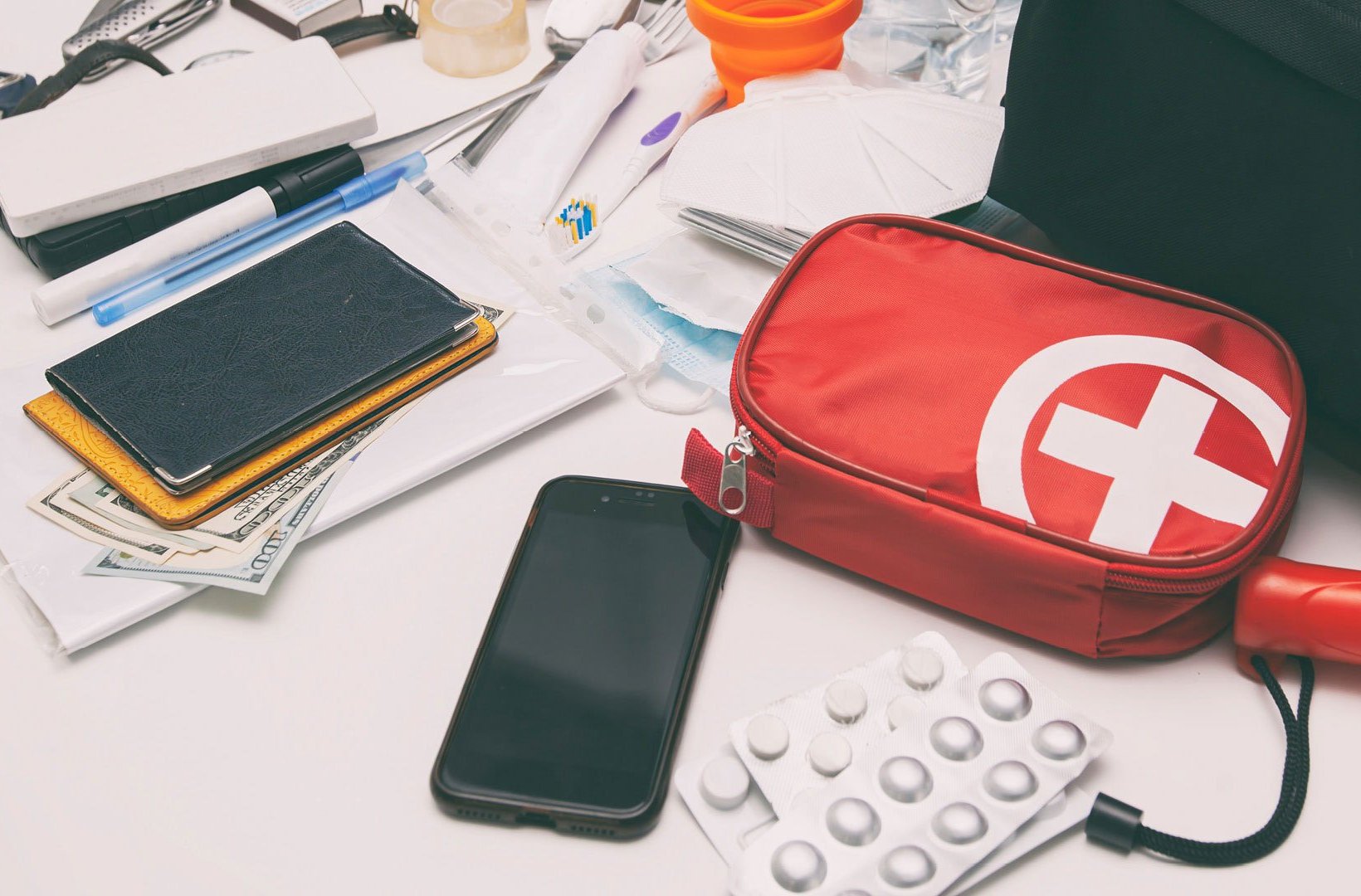
Storms, power outages and increasingly vulnerable social systems have brought crisis preparedness issues to the forefront in Europe. At the same time, Finland is often highlighted as one of the best-prepared countries. What lies behind Finland's culture of preparedness – and what can others learn from it?
Recent months have shown how quickly everyday life is disrupted when the power goes out. Winter storm Johannes hit the Nordic region hard, leaving tens of thousands of households in Sweden and Finland without power. In Berlin, sabotage on a cable bridge caused a major outage that knocked out electricity, heating and internet for over 45,000 households. At the same time, Russia's full-scale invasion of Ukraine continues to show how vulnerable energy infrastructure can be in a conflict – and how quickly the consequences spread when critical functions are knocked out.
Together, these events serve as a clear reminder: when energy fails, society's vulnerability becomes apparent.
Finland – where preparedness is part of everyday life
When discussing how well-prepared society is for crisis situations, Finland is often highlighted. Geography and climate play an important role – long distances, small communities and recurring storms have long required people to be able to cope with temporary disruptions. This has shaped a preparedness culture based on the assumption that disruptions can occur, whether caused by nature, technology or geopolitics.
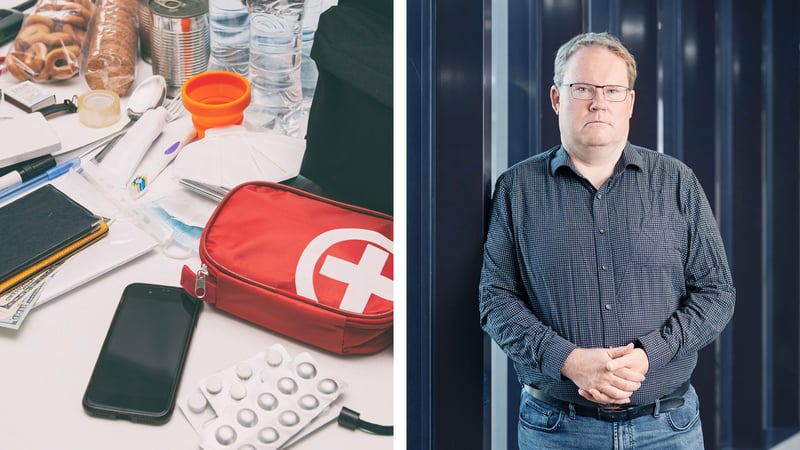
Malkus Lindroos, energy advisor at Vattenfall in Finland, follows how households across the country are affected by power outages and how the experience of recurring disruptions shapes expectations and behaviour.
“In many areas, it is not unusual for the power to be out for several days after a storm. This shapes how people think about everyday life and how they act when something happens,” says Malkus Lindroos.
The 72-hour rule – a clear foundation
A cornerstone of Finland's home preparedness is the recommendation that every household should be able to cope for 72 hours without support.
"The aim is not for everyone to become preppers. The point is to give society time to act. If households can manage for the first three days, resources can be directed to where the need is greatest," says Malkus Lindroos.
The recommendation is not mandatory, but it is widely known and deeply established.
Different conditions for coping with longer outages
How well households cope with longer outages varies. In cities, three days without electricity can have major consequences. In rural areas, households can cope for much longer – not because they store more, but because their everyday systems are already more flexible.
“It's not that people are more resilient, it's that they are used to systems not always working. This means that people react less drastically when an outage occurs. They know what needs to be done,” says Malkus Lindroos.
It is precisely this everyday habit, he believes, that is a central part of Finland's preparedness.
A culture of training and cooperation
Finland's preparedness is based on a culture of shared responsibility. Authorities, schools, voluntary organisations and companies regularly conduct joint exercises and have established routines.
One example is a 24-hour exercise in Helsinki, where 45 people lived in a civil defence shelter without daylight or water. Participants had to manually operate ventilation and manage simple hygiene solutions while the temperature dropped in the shelter. The exercise, highlighted in Helsingin Sanomat, shows how Finland practises cooperation between residents and societal actors.
“If I were to give just one piece of advice, it would be to test everyday life without electricity. It quickly shows you which parts of your life depend on electricity, and which ones still work,” says Malkus Lindroos.
When the professional role meets everyday life
When asked about his own home preparedness, Malkus explains that it comes partly naturally. Through his outdoor interests – hiking, skiing and winter camping – he has the equipment and experience to survive for several days in the cold.
“I have equipment to be out in the snow for a week. That makes me personally quite well prepared,” says Malkus Lindroos.
How Finland stands out in comparison with other countries
Malkus highlights three factors:
- Preparedness is a habit, not an exception
Disruptions are seen as something people are expected to handle. - The structures are clear
The 72-hour recommendation and well-known routines mean all actors start from the same basis. - The robustness of rural areas raises the average
A significant proportion of Finland's population lives in small communities where alternative solutions are still the norm.
At the same time, Malkus emphasises that the differences between the Nordic countries are not as great as they are often portrayed. Helsinki and Stockholm have similar conditions, and other regions in the Nordic countries are also used to temporary disruptions.
“There are equally well-prepared areas in other countries. Finland is therefore not unique – but the combination of habit, culture and geography creates a stable foundation,” says Malkus Lindroos.
Europe follows suit – increased focus on preparedness
Issues relating to security and crisis preparedness are far from new in Europe, but the shifting geopolitical situation has given them a more prominent place on the agenda. Several countries are now working to strengthen households' ability to cope with the first few days of major disruptions, whether caused by extreme weather, technical failures or cyber-attacks.
In Sweden, home preparedness is regularly highlighted through the annual Preparedness Week, and in the Netherlands, the campaign Denk Vooruit provides practical advice for the first 72 hours. In the United Kingdom, recommendations are collected in the Prepare portal, where residents can find guidance on everything from power outages to cyber incidents.
These examples of initiatives show how preparedness has become an increasingly important part of societal planning.
Security is built before the crisis – not during it
Crisis preparedness is not about coping at any cost, but about strengthening society's ability when important services are temporarily unavailable.
“Technology is important, but people's habits determine how they react to an outage. If you are used to things sometimes not working, it becomes less overwhelming when it does happen,” says Malkus Lindroos.
As more European countries strengthen their recommendations, the trend points to the same insight: resilience is built in everyday life, step by step, through routines that work even when the electricity does not.
Guide: how to build your own home preparedness – according to Finnish insights
- Food and water for three days
Choose sustainable goods and keep extra drinking water at home. Plan to be able to cook without electricity. - Alternative heating
Blankets, sleeping bags and tea lights go a long way. Gather the heat in one room. - Light and charging
Torches, batteries, power banks and a radio that works without electricity will keep you informed. - Health and safety
Keep a first aid kit, some extra essential medicines and hygiene products at home. - Cash and communication
Payment systems may stop working – keep some cash at home. - Plan and practise
Try spending an evening without electricity. This will quickly reveals what is missing.
Sign up for our newsletter THE EDIT
THE EDIT is Vattenfall's new monthly newsletter. Each issue highlights a new burning issue from the world of sustainable energy and fossil freedom.
See also
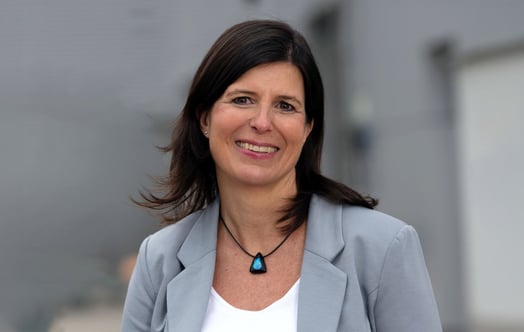
Vattenfall appoints Anja Graf as new Head of Nuclear Decommissioning Germany
Anja Graf has been appointed as Vice President, Business Unit Nuclear Decommissioning Germany, and Managing Director for Vattenfall Europe Nuclear (VENE) at Vattenfall and will assume the po...
International Women’s Day 2026: Continuing our journey toward equality in the energy transition
Vattenfall promotes diversity, empowers women in STEM and ensures equal opportunities.
Climate-smart material choices reduce emissions in electricity production
The climate impact of the energy sector is not just about how electricity is produced, but also about the materials used to build new facilities. This is why Vattenfall is working to introdu...