
Advancing understanding of seabird collision risk using AI
Existing technologies have fallen short in documenting three dimensional flight tracks of seabirds near wind turbines, as shown by the European Offshore Wind Deployment Centre (EOWDC) seabird study.
Short facts
- Aberdeen Bay, Scotland
- Seabirds
- Trialling a camera- and AI-based system to track seabirds in close proximity to wind turbines and document collisions..
- 2023–2025
Final Report of the seabird study
Accurate, objective evidence on close-range behaviour is crucial for reliably predicting collision risks for new wind farms.
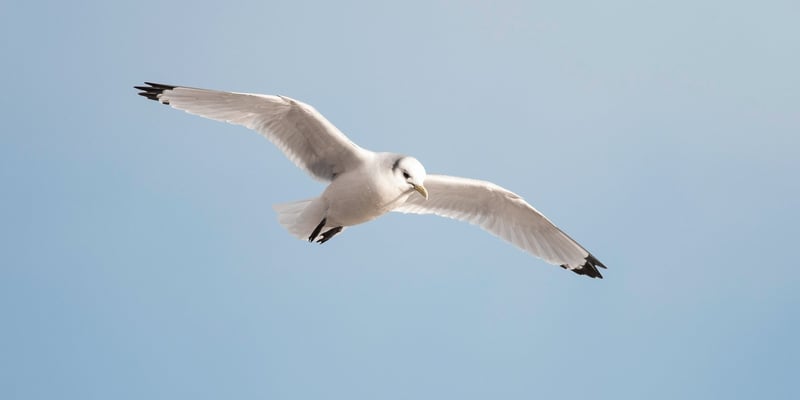
To address this gap, a collaborative project was initiated with the Norwegian start-up Spoor AI to trial innovative technology that combines video cameras with Artificial Intelligence (AI). The British Trust for Ornithology (BTO) provided scientific validation, and a panel of key stakeholder experts was established to ensure high-quality outcomes.
The results showed significant potential for the technology and opportunities for further improvement. Following this trial, additional data were collected, and 19 months of video material were analysed to document seabird collision numbers at one of the Aberdeen wind farm turbines. No collisions were observed. This finding was corroborated by collision risk calculations based on observed seabird activity, which estimated that far fewer than one collision would have been expected during this time period.
Report of the scientific support to the trial of Spoor AI at the EOWDC
More about biodiversity
Biodiversity and nature protection are a priority at Vattenfall. It is one of the focus areas in our environmental policy and therefore also a central part in our environmental work.
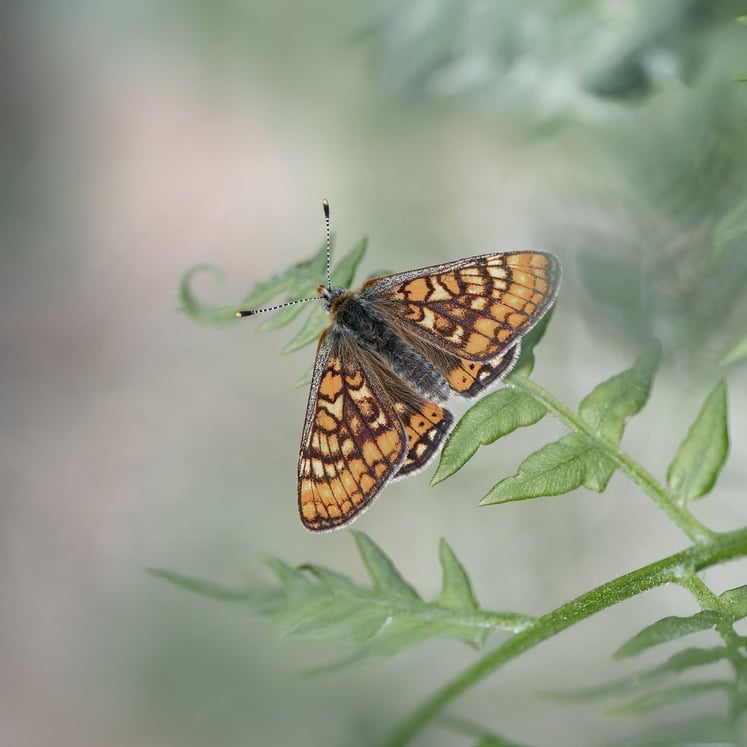
How we make a difference for nature
Biodiversity is an important and integrated part of our work. Here, we show concrete examples of how we care for nature through our projects.
See also
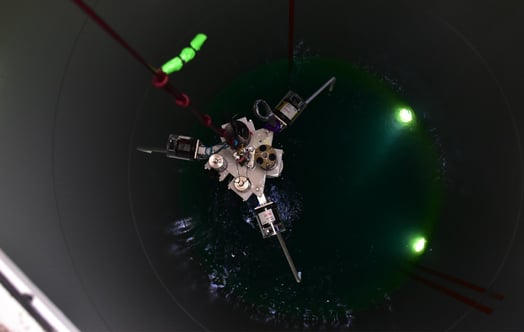
Nature inclusive design at Hollandse Kust Zuid
Nature-inclusive offshore wind design adds features to support native species.
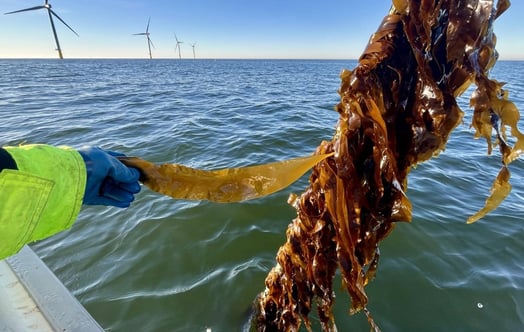
Multi-use concept, combining food production with offshore wind farms
At Vattenfall’s Danish Kriegers Flak and Vesterhav Syd offshore wind farms, a Danish research consortium is testing the multi-use concept of producing food alongside fossil-free electricity.
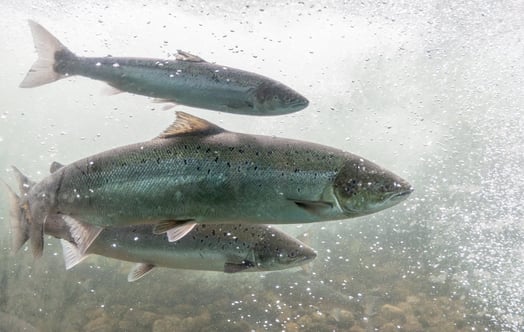
Projects funded by Bra Miljöval
When Vattenfall sells ‘Good Environmental Choice’ electricity, it funds aquatic biodiversity efforts.