
Biodiversity enhancement in power line corridors: strategic maintenance and conservation efforts
Vattenfall’s regular clearing of power line corridors is crucial for reliable power transmission. Despite environmental impacts, these clearings create habitats for grassland species, including threatened ones.
Short facts
- Middle and northern Sweden
- Grassland species and pollinators
- Enhance biodiversity in power line corridors
- 2017–2026
Research underscores the importance of these corridors in green infrastructure as traditional grasslands decline. In 2017 and 2019, Vattenfall conducted a GIS-based analysis to identify areas with high biodiversity in its power line corridors.
The analysis identified 1,600 km of potentially valuable grassland out of a total of 8,600 km in middle and northern Sweden. Field studies and biodiversity assessments were then conducted to validate and prioritise these areas.
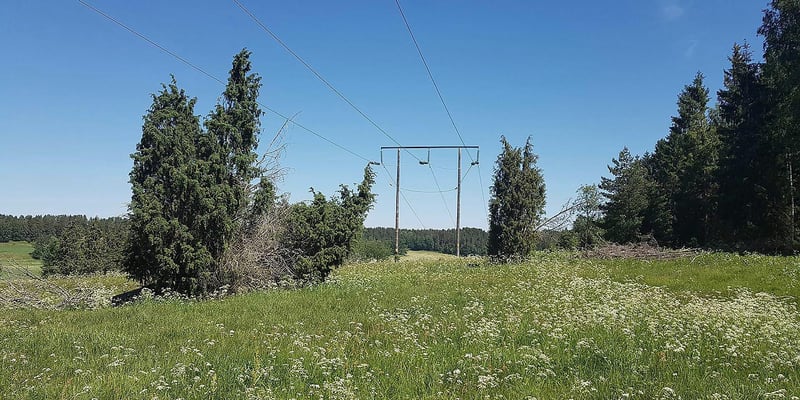
The field studies documented habitats and species, classifying 980 areas covering about 250 km. Vattenfall’s maintenance routine involves clearing power line corridors every eighth year and patrol paths every fourth year.
Insights from the area identification led to tailored maintenance plans for each area to enhance biodiversity, for example through the creation of glades, widening patrol paths and removing the cut material as well as special trimming and thinning out to prevent overgrowth.
The measures aim to favour, among others, bumblebees, bees, and butterflies. By 2025, 85% of the areas with high biodiversity had tailored maintenance, with a target of 100% by 2026.
During 2024 and 2025, follow‑up inventories were carried out in 20 areas of high biodiversity value. The purpose was to assess whether the implemented management measures had had any effect on biodiversity. The results indicate a higher density of species of conservation value, primarily within the patrol path, compared with 2018.
More about biodiversity
Biodiversity and nature protection are a priority at Vattenfall. It is one of the focus areas in our environmental policy and therefore also a central part in our environmental work.
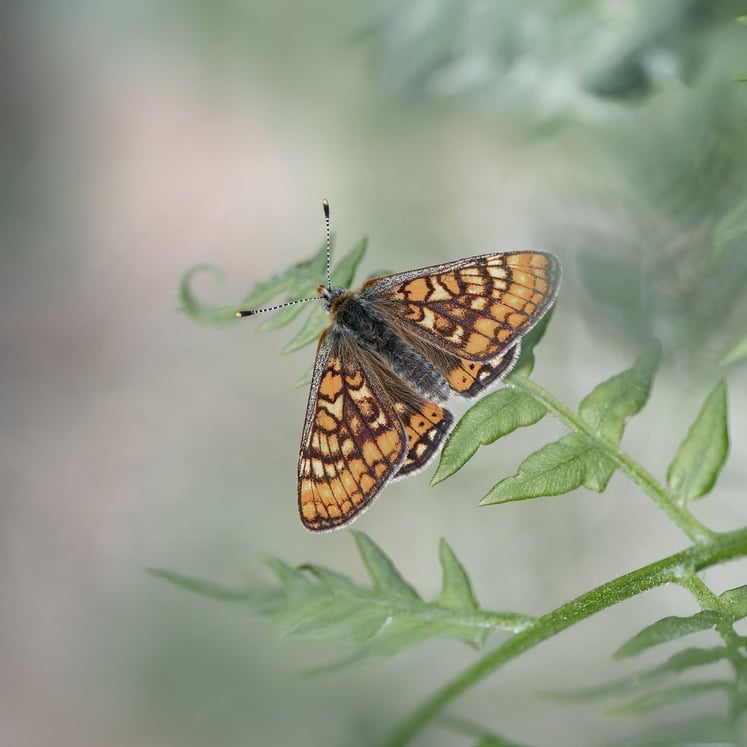
How we make a difference for nature
Biodiversity is an important and integrated part of our work. Here, we show concrete examples of how we care for nature through our projects.
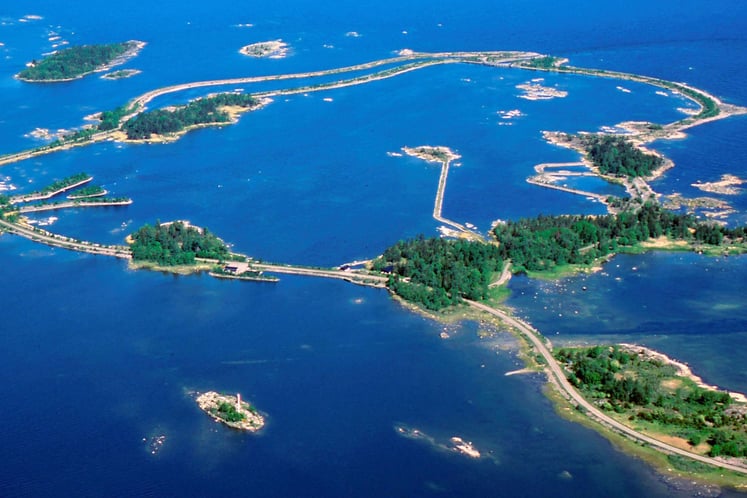
See also
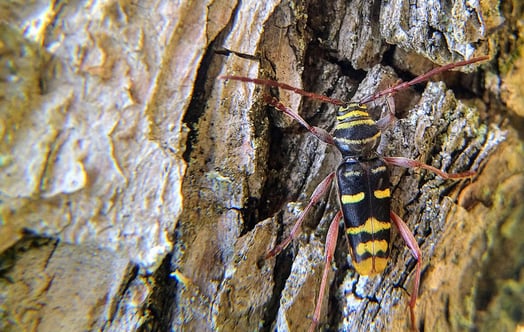
Ecological compensation in overhead line project
Vattenfall Eldistribution AB is upgrading the regional network in Stockholm County.
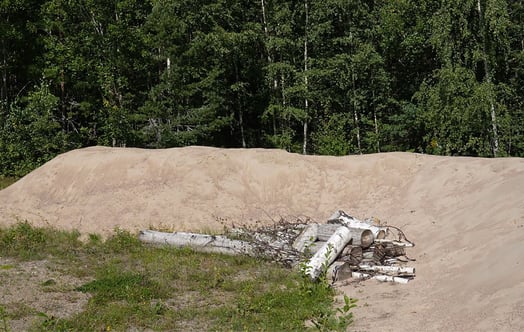
Strategic biodiversity measures to support pollinators at substations
Pollinator decline, like wild bees, threatens biodiversity, but many substations can help support them.
Supporting urban ecology around heat operations
Our Heat operations near cities can support urban ecology through surrounding land use.