
Creating demand for near-zero cement
Vattenfall and Cemvision have partnered to develop and supply near-zero emission cement, which could reduce CO2 emissions by 95% compared to traditional cement by 2030.
In 2024, Vattenfall and Cemvision entered into an agreement (LOI) for the development and future supply of near-zero emission cement.
This innovative cement has the potential to reduce CO2 emissions by up to 95% compared to traditional cement, significantly lowering the carbon footprint of construction projects.
In line with Vattenfall’s First Movers Coalition (FMC) cement commitment, an agreement was signed with Cemvision in December 2025 to supply circular, near-zero-carbon cement during 2028–2030.
It will mainly be used in wind farm construction, covering 20% of Vattenfall’s cement use in this period. The FMC commitment means that 10% of the cement use should be near-zero-carbon cement from 2030.
Cemvision develops cement made from recycled residual materials from various industries, including mining and steel, using a process in which Cemvision’s kilns are fuelled by fossil-free energy. The cement consists of 85% recycled material, and the ambition is to increase this amount to 95%
More about circularity
The transition to a circular economy is an opportunity, and renewable energy is an important piece of the puzzle in driving the circular economy forward.
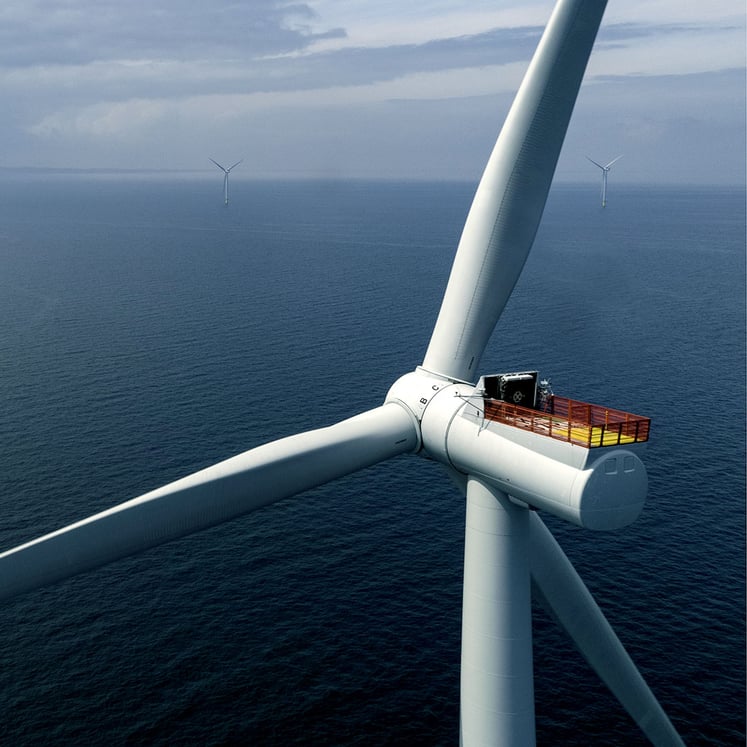
Transform to a more circular business
Circularity is essential to securing future resource needs, reducing costs, and achieving our sustainability targets.
See also
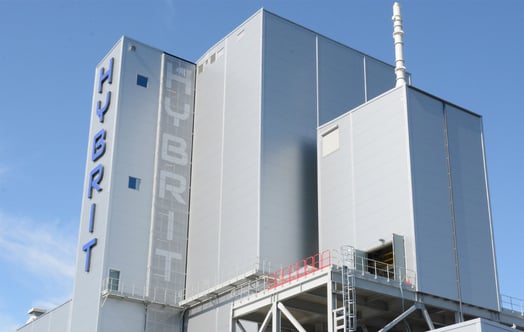
Vattenfall and SSAB in new fossil-free steel collaboration
Vattenfall and SSAB have signed a letter of intent regarding deliveries of fossil-free steel produced with HYBRIT technology.

Circular IT and reuse of equipment
Vattenfall has a long-term partnership with IT recycling companies Inrego and AFB to optimise reuse and recycling of IT equipment.
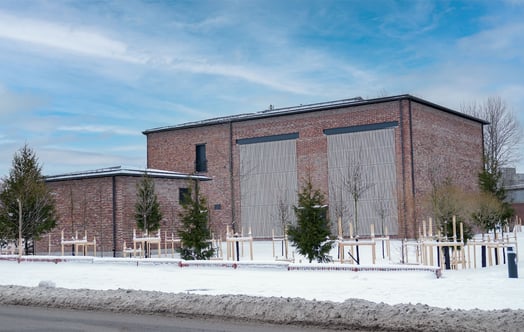
Reused bricks in new substation
Using reused bricks for substation buildings reduced the carbon footprint by over 90%, enhancing sustainability in a power grid project.