
Restoring riparian vegetation in Umeälven
In regulated rivers with a high degree of hydropeaking (rapid, short-term fluctuations in river flow), natural erosion and sedimentation processes are altered resulting in unnaturally high erosion rates.
Short facts
- Umeälven, upstream of Tuggen powerstation
- Riparian vegetation, fish, invertebrates and aquatic plants
- Mitigate the negative impact of ice erosion on riparian habitats.
- 2025-2026
This is due to a combination of ice movement and varied water velocity leading to a lack of sediments being deposited in riparian and near shore areas.
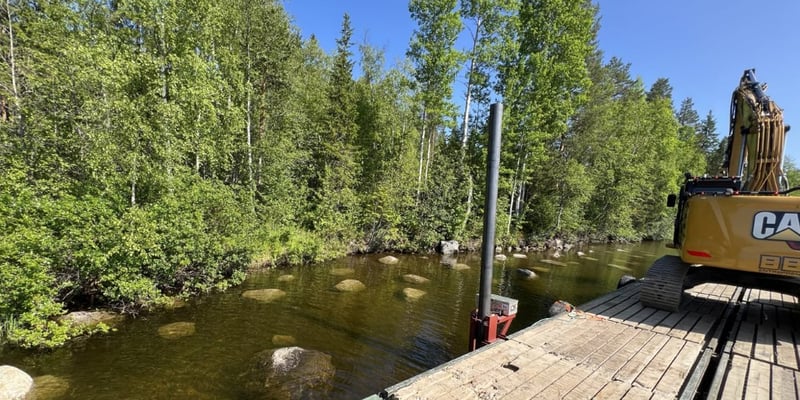
One measure to prevent this and strengthen the riparian zone is the use of large boulders placed along the shoreline. The boulders lock the ice preventing movement as well as providing a structure trapping fine sediment and organic material.
In early summer 2025, measures to strengthen the riparian zone were performed at two locations upstream of Tuggen hydro power station. The measures were performed with an excavator operating from a barge providing a stable platform and means of transportation for both equipment and materials (boulders). Additional measures are also planned in Luleälven during 2026 and we will then also evaluate the effectiveness of the implementation.
More about biodiversity
Biodiversity and nature protection are a priority at Vattenfall. It is one of the focus areas in our environmental policy and therefore also a central part in our environmental work.
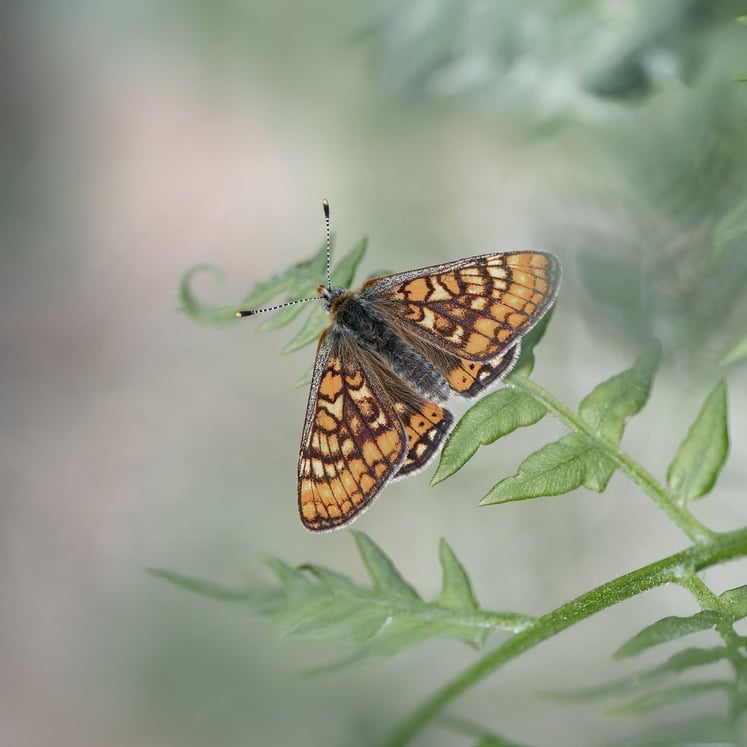
How we make a difference for nature
Biodiversity is an important and integrated part of our work. Here, we show concrete examples of how we care for nature through our projects.
See also
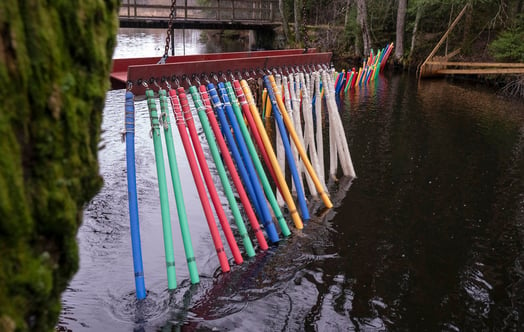
Testing “dancing rods” in practice
Vattenfall is testing new, behavioural guiding-methods to improve fish migration past hydropower stations.
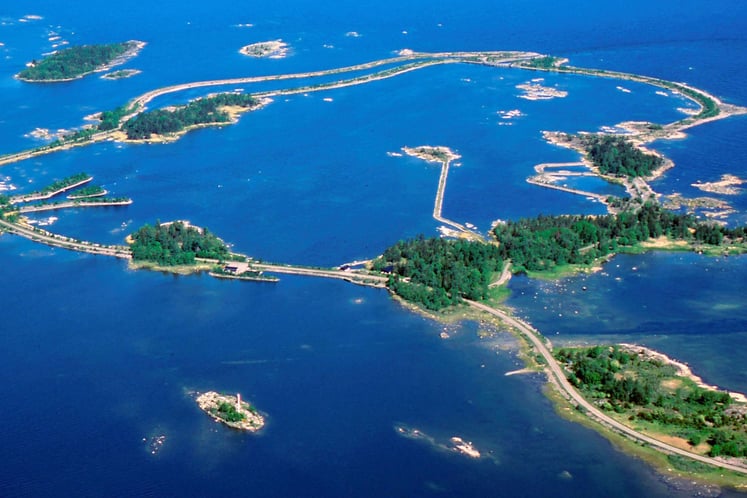
Return of fish and control of invasive species at Ringhals
Ringhals uses seawater from two intake channels to cool its nuclear plant.
Strategic biodiversity measures to support pollinators at substations
Pollinator decline, like wild bees, threatens biodiversity, but many substations can help support them.