
Vattenfall signs agreement to bring low carbon heating to London homes and businesses
Vattenfall and Argent Related have agreed that Vattenfall will design, build and operate a new district heating network for Argent Related’s Brent Cross South redevelopment scheme in London. The network will be operational from 2023 and provide low carbon heating and hot water to 6,700 new homes and approximately 280,000 square metres of office, retail and commercial space.
Vattenfall Heat UK has signed an agreement with Brent Cross South developer Argent Related to provide low carbon heating to homes, shops, and other businesses in the redevelopment scheme in Barnet, north London.
Tuomo Hatakka, Senior Vice President and Vattenfall’s Head of Business Area Heat, said:
“We’re delighted to have been selected by Argent Related and London Borough of Barnet to build and operate this network, which puts zero carbon, fossil fuel-free living front and centre of its ambition. This project will serve as a platform for further growth in zero carbon energy solutions in London and the United Kingdom.”The new district heating network will eventually provide space heating and hot water to around 6,700 new homes and approximately 280,000 square metres of new office, retail and commercial space as part of the proposed regeneration scheme. It will see 8 megawatts of heat pumps and electric boilers supply 75 percent of the overall heat demand in the scheme.
Working in collaboration with Argent Related and Barnet Council, Vattenfall will design, build and operate the district heating network, which will become operational over the next years. The project aims to remove all CO2 emitting sources as district heating technology becomes more advanced.
Anthony Peter, COO of Brent Cross South DM, said:
“Brent Cross South will be a new town centre which encourages people to thrive, leading healthier lives, and which is being designed to ambitious sustainability targets. We have chosen to work with Vattenfall to help us deliver future-proofed energy infrastructure with the aim of achieving zero carbon heating within a generation.”
The system will be ‘future-proofed’ at the design phase by taking a staged approach to the installation of the heat generation infrastructure. This means that the most recent and innovative technology can be installed when it is required, as opposed to reinstalling new technology when those in use become outdated. A range of existing and future low and zero carbon heat sources will be integrated into the network to further expand it, including heat pumps, electric boilers and even waste heat from datacentres.
As district heating technology becomes more advanced and more fossil-fuel free heat sources become available the heat sources feeding the network can be interchanged, allowing the network to become completely zero-carbon.
For further information: Vattenfall Press Office +46 (0)8 739 5010, press@vattenfall.com
See also
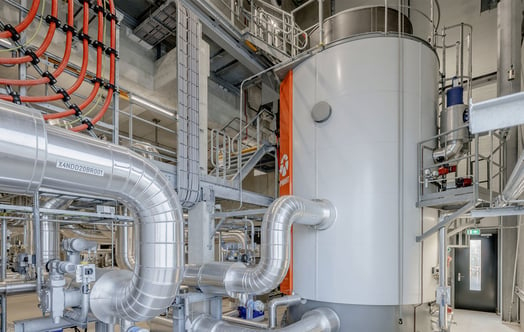
Giant water heater makes district heating more flexible
In Diemen, the Netherlands, Vattenfall converts renewable electricity into heat for thousands of households.
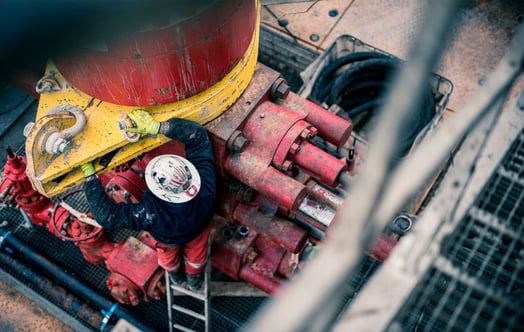
Going underground – Netherlands geothermal heat transition
Geothermal heat and energy is a somewhat untapped source in many parts of the world. For the Netherlands drilling for, and using, heat from the earths subsurface could both relieve the grid ...
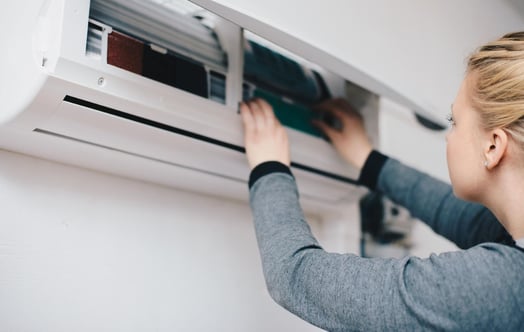
Heatwaves boost interest in heat pumps across Europe
Heat pumps are best known as an energy-efficient way to heat homes. But as heatwaves become more frequent, many homeowners are discovering that the technology can also help keep homes cool.