
In a nutshell:
- Heatwaves are boosting demand for heat pumps, which can cool homes as well as heat them.
- Rising gas price uncertainty is driving more Europeans to switch from fossil-fuel heating.
- Heat pumps can cut emissions, improve comfort and help protect health during extreme heat.
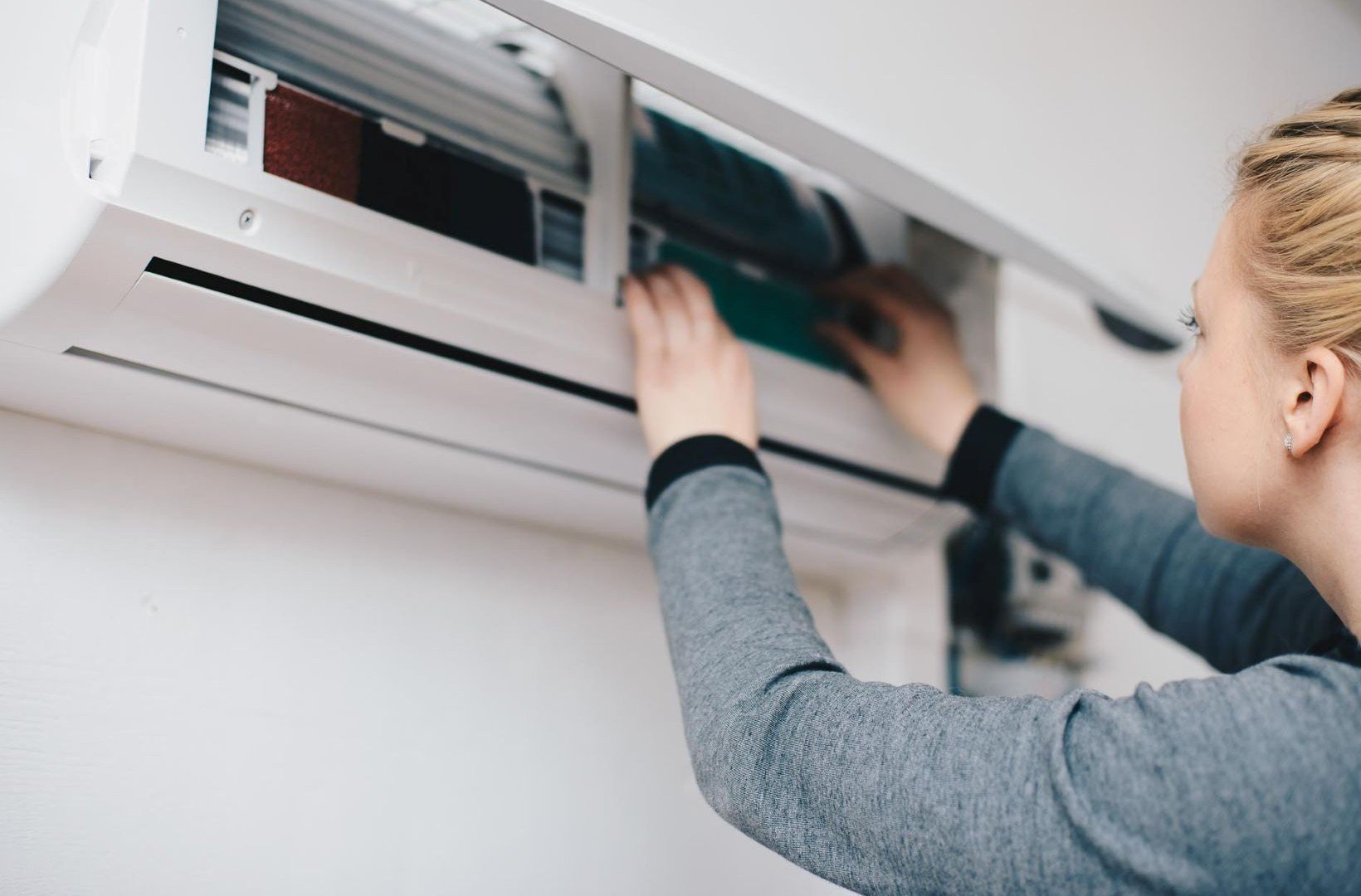
Heat pumps are best known as an energy-efficient way to heat homes. But as heatwaves become more frequent across Europe, many homeowners are discovering that the technology can also help keep homes cool.
Heat pumps offer an energy-efficient alternative to conventional heating systems. In Europe many homeowners still rely on gas boilers, and as geopolitical tensions continue to affect energy markets and gas and fuel prices remain volatile, interest in heat pumps is increasing.
In Germany, Vattenfall’s sales of air-to-water heat pumps doubled after the start of the Iran war earlier this year.
“We saw a huge surge in demand from February to March. People are realising that there is a great risk in being dependent on fossil fuels. For many, a heat pump is therefore a good solution,” says Manuel Richter, Product Manager at Vattenfall in Germany.
This summer's heatwaves have also highlighted another benefit: many heat pumps can provide cooling as well as heating. This is particularly true for air-to-air heat pumps.
Efficient technology
So how does it work? Unlike a boiler, a heat pump does not produce heat through combustion; instead, it transfers heat from one place to another. The pump can extract heat from the ground, from water, or from the outside air and release it inside the building. This is done in a highly energy-efficient way: a modern heat pump delivers several times more thermal energy than the electricity it consumes. In summer, the air-to-air heat pump can be run ‘in reverse’, effectively functioning as an air-conditioning system. Other types of heat pumps can also be fitted with cooling equipment.
Big interest in the Netherlands
In the Netherlands, one of the most gas-dependent countries in Europe, interest in heat pumps has been growing for several years, and there are now more than 2.5 million units installed across the country.
“More and more people are installing air-to-air heat pumps, both to cool their homes in summer and reduce heating costs in winter,” says Wouter Wolfswinkel, Programme Manager at Vattenfall in the Netherlands.
In the longer term, he believes that heat pumps will replace gas heating in the country.
“We see that people are replacing their gas boilers with heat pumps today. This year, 300,000 heat pumps will be installed in Dutch homes. All signs suggest that within a few years, more people will use heat pumps than gas boilers for heating.”
In order to minimise climate footprint, heat pumps should be run on fossil free electricity. For households with rooftop solar panels, the combination can work particularly well. This way, the air conditioning can be run on home-produced power, as solar generation typically peaks when demand for cooling is the highest.
A matter of health
There is also a health aspect linked to indoor temperatures during summer. In Europe, relatively few households are equipped with air conditioning. Heat pumps that can provide cooling, such as air-to-air units, could therefore help create a healthier indoor environment during periods of extreme heat.
“It is clear that the heat pump is not just an energy-efficient way to heat your home. It can also improve indoor comfort and, during periods of extreme heat, help protect people's health,” says Wouter Wolfswinkel.
Did you know?
A modern heat pump can often deliver 3–5 kWh of heat for every 1 kWh of electricity it uses. Many air-to-air heat pumps can operate in outdoor temperatures as low as -40C and provide cooling in temperatures of around 40C.
Different types of heat pumps
Air-to-air: Transfers heat from outdoor air directly into a home through a fan.
Air-to-water: Extracts heat from outdoor air and delivers it to a home's water-based heating system.
Exhaust air: Recovers heat from ventilation air leaving the building and reuses it to provide heating and hot water
Ground-source: Extracts heat from bedrock or soil through buried collector pipes
Read more about Vattenfall’s heat pump offering:
In Germany
In the Netherlands
In Sweden
See also
Thermal cameras shed new light on bird activity at sea
A thermal camera and AI system tested at Vattenfall’s Hollandse Kust Zuid offshore wind farm in the North Sea monitored bird movements around a turbine, day and night. As the technology work...
What it takes to build one of Europe’s largest offshore wind farms
In the German North Sea, the first visible signs of Nordlicht wind farm are beginning to emerge above the sea surface. By 2029, 112 wind turbines will make a strong contribution to the count...
Giant water heater makes district heating more flexible
In Diemen, the Netherlands, Vattenfall converts renewable electricity into heat for thousands of households.