Climate transition plan
At Vattenfall, our goal is to help society break free from its dependency on fossil fuels.
We are committed to building a future where everyone can choose fossil-free ways to move, make and live. For us, this means transforming our business to support the energy transition and deliver on our target to reach net-zero emissions by 2040. Our climate transition plan explains how we intend to deliver on this commitment, while navigating the opportunities and challenges of the energy transition.
Video player requires marketing cookies.
To view this content please click here to allow marketing cookies.

Our journey to fossil freedom
Our world needs change, and it needs it fast. We are working to enable fossil freedom for all.
Our progress
We have already made significant progress in transforming our business and reducing emissions. Since 2017, Vattenfall has more than halved its value chain emissions while continuing to invest in fossil-free energy solutions. Following the divestment of Heat Berlin in May 2024, we no longer have any coal-related activities in any market.

The road ahead
The next phase of the transition will be more complex. It depends not only on actions within our own operations, but requires collaboration between businesses, government and people to succeed. We’re working actively to both drive the transition through our own operations and value chain, and contribute to enabling more system-wide progress and facilitate the engagement of other stakeholders.
A key part of this effort is our partnerships to scale and enable fossil-free solutions.
From ambition to action
Our climate transition plan to net-zero by 2040 is designed to adapt to shifts in technology, markets, and policy and builds on five key areas of action. Together, these areas cover our full value chain and support the shift to a fossil-free energy system while addressing our most significant emission sources. For each area, the plan includes a detailed decarbonisation approach and examples of actions.
The transition plan is supported by Vattenfall’s investment plan, covering SEK 165 billion in investments and over 2,000 MW of planned fossil-free electricity build-out between 2026 and 2030.
Key areas of action:
Investing in fossil-free electricity generation and infrastructure
Fossil-free electricity generation is the basis of a fossil-free energy system, enabling wider electrification and decarbonisation.
Implementing low-emission heat generation technologies
Low-emission heat technologies such as e-boilers, waste heat and heat storage can replace fossil-based heat generation for district heating.
Switching to fossil-free and renewable fuels
Where electrification and other decarbonisation solutions are difficult to implement or not yet developed, fossil fuels can be substituted with low-emission alternatives.
Implementing alternative heat sources for customers
Emissions from fossil gas-based heating can be reduced by transitioning customers to low- and no-carbon heating sources such as electrification via heat pumps or e-boilers, or by transitioning to district heating.
Using circular and low-emission goods, materials and services
Reducing emissions from materials requires collaboration across the value chain. We partner with suppliers and customers to scale circular and low-emission solutions.
Governance and accountability
Delivering the transition requires clear governance, integrated business planning and regular monitoring of progress. Climate-related risks, opportunities and targets are embedded in decision-making across the organisation.
Explore the full plan
Our climate transition plan details our transition pathway, including targets, governance, assumptions, dependencies and progress.
Climate targets
The targets on Vattenfall’s road to net-zero are guided by climate science.

Related content
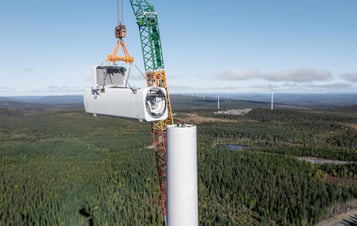
We are driving the transition towards a fossil-free energy system.
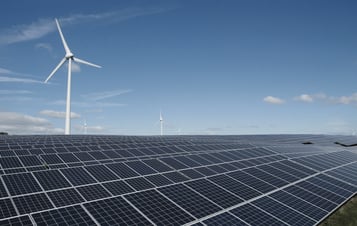
Vattenfall is phasing out fossil production and investing in renewables.
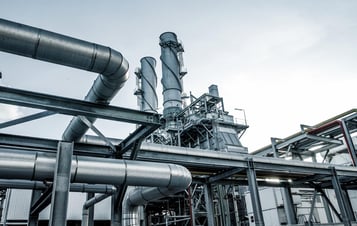
We are forming partnerships in different fields and industries to reach climate goals.