
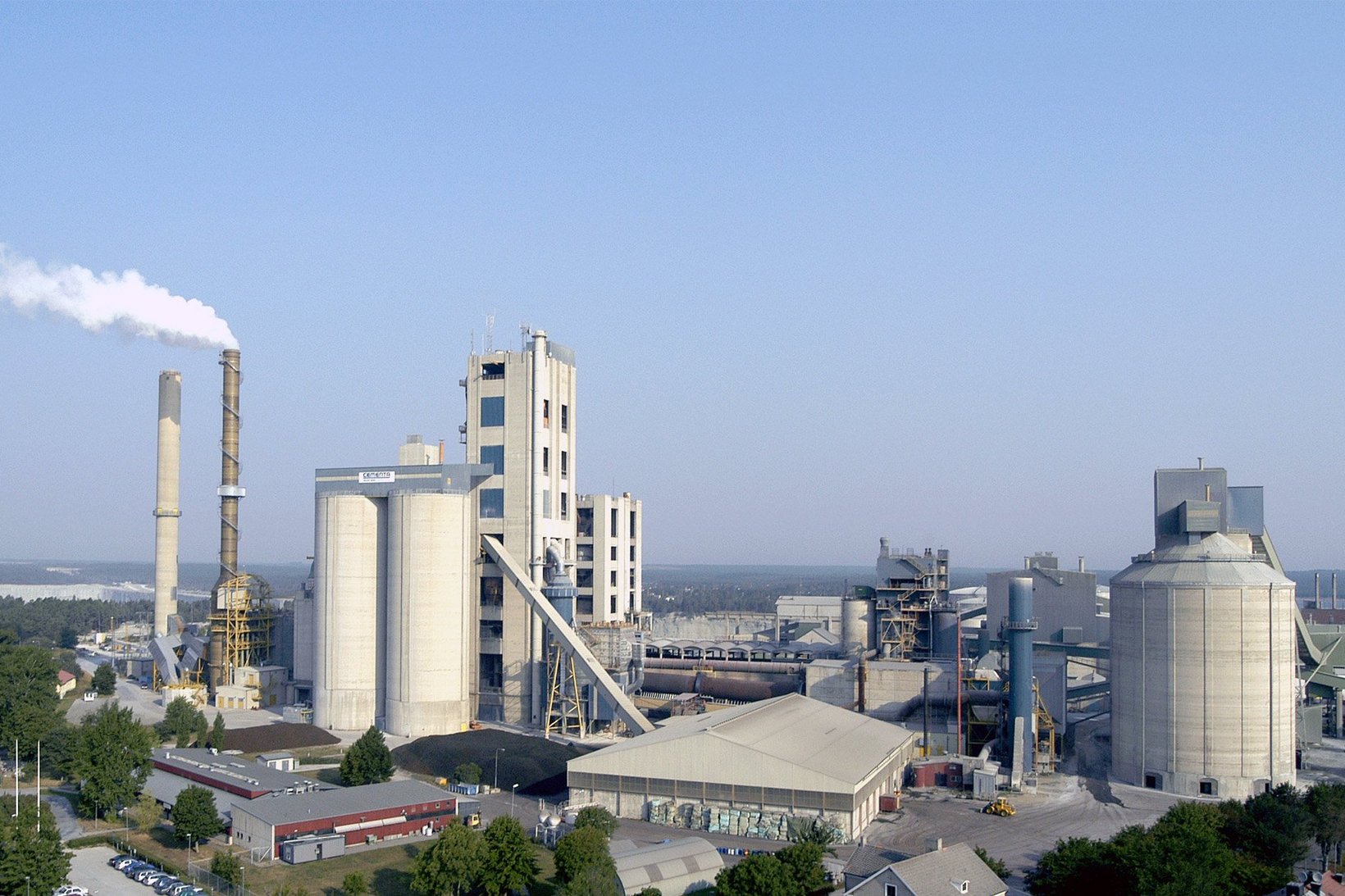
Cementa aims for zero emissions with Vattenfall
A large source of carbon dioxide could disappear in less than 20 years, with the help of Vattenfall.
Swedish cement manufacturer Cementa and Vattenfall will conduct a pilot study on electrified cement production. Cementa’s objective is zero carbon dioxide emissions by 2030. This is equivalent to a reduction of about five percent of Sweden's total CO2 emissions.
Decades of work on energy efficiency improvements and phasing out fossil fuels in cement production has enabled Cementa to successively reduce its climate impact which is now low in comparison – about 15 percent below the global average. Despite this, carbon dioxide emissions are still the industry's major sustainability challenge and Cementa represents one 20th of the total climate gas emissions in Sweden.
Achieving Cementa's vision of zero carbon dioxide emissions from cement products during their life-cycle demands a technological shift. In the CemZero project, Cementa and Vattenfall will use pilot studies to investigate the possibilities for a climate-smart and sustainable cement production process in Sweden, supplied by a fossil-free Swedish energy system.
"Electrification within the industry is an important element in the transition to sustainable urban development. We are now going to develop knowledge within the field in order to ascertain together with Vattenfall whether it is a potential future solution for cement production," says Jan Gånge, CEO of Cementa.
"It is very positive that we are working together with Cementa to find a solution. A climate-smart, electrified cement industry can make an important contribution to our joint efforts to reduce climate impact," says Magnus Hall, President and CEO at Vattenfall.
Concrete is the world's most common building material. Population growth in combination with ever more people wanting to live more densely in cities means that concrete will also remain a very important building material in the future which means that demand for cement will remain high.
Read more about how Vattenfall supports Swedish industry in becoming independent of fossil fuel
See also
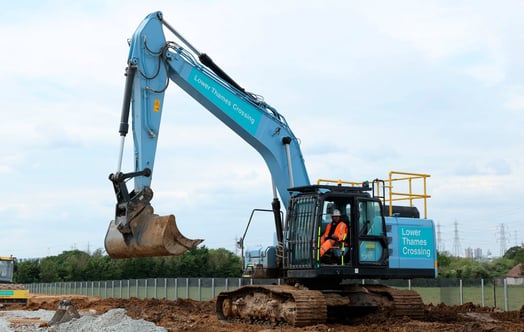
Huge road and tunnel project in the UK aims to reshape construction for the future
Construction is one of the hardest sectors to decarbonise. But in the UK, a major infrastructure project aims to reach carbon neutral by using electric machinery and low‑emission materials.
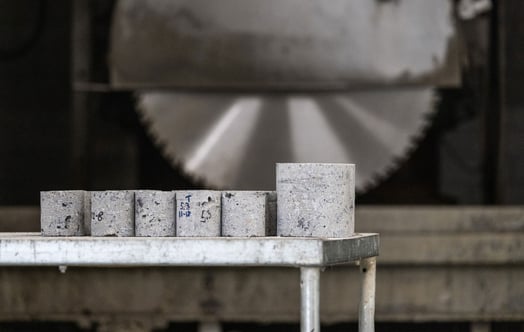
Rethinking cement: cutting emissions at the source
Cement is one of the world’s most widely used construction materials – but also one of the largest sources of emissions. That insight marked the starting point for Swedish company Cemvision,...
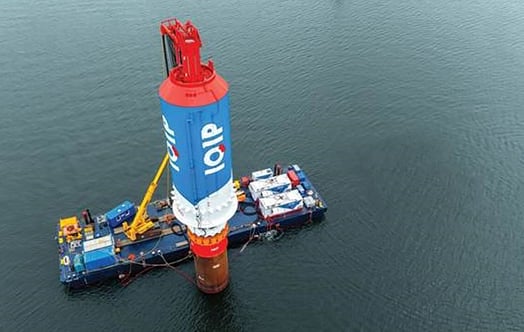
IQIP, EnBW and Vattenfall announce full-scale offshore monopile installation using EQ‑Piling technology
IQIP, EnBW and Vattenfall: Offshore installation of a complete monopile using EQ-Piling technology