
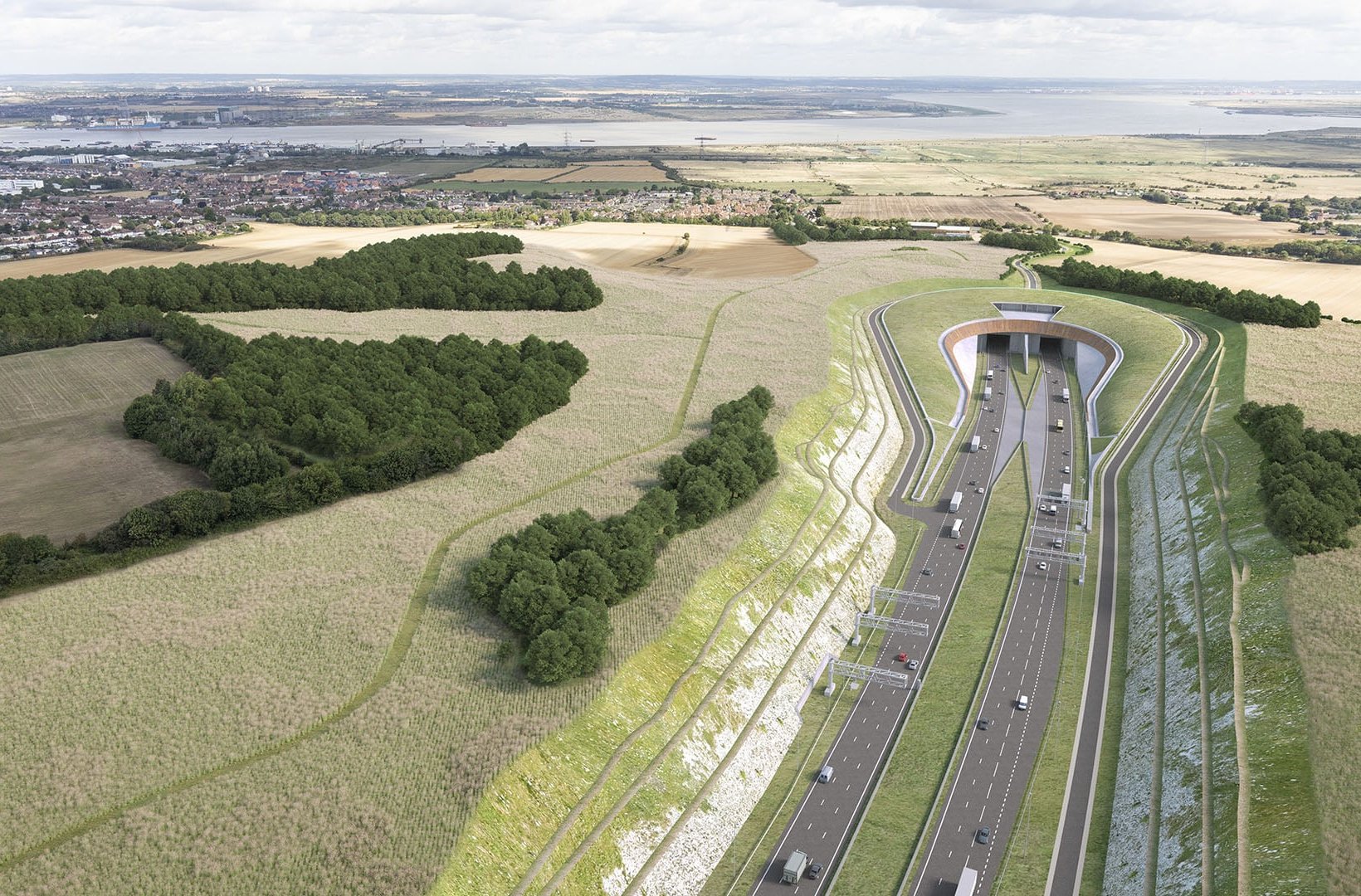
- The Lower Thames Crossing project in the UK aims to reduce emissions in construction through electric and hydrogen‑powered machinery and low‑emission materials.
- Contractors have already achieved a 50 per cent reduction in emissions, with a target of up to 70 per cent and carbon‑neutral construction.
- Large‑scale use of electric equipment, supported by hydrogen‑powered charging solutions, is central to the approach.
- The project is intended to demonstrate how infrastructure can be delivered with lower emissions and serve as a model for future construction.
Construction is one of the hardest sectors to decarbonise. But in the UK, a major infrastructure project aims to reach carbon neutral by using electric machinery and low‑emission materials.
A major road project outside London is redefining how infrastructure can be built in a net‑zero economy. The Lower Thames Crossing brings together hydrogen-powered and electric machinery, low‑carbon steel and concrete and new design methods—all aimed at cutting emissions from the build phase itself. The ambition is to create a blueprint for future projects.
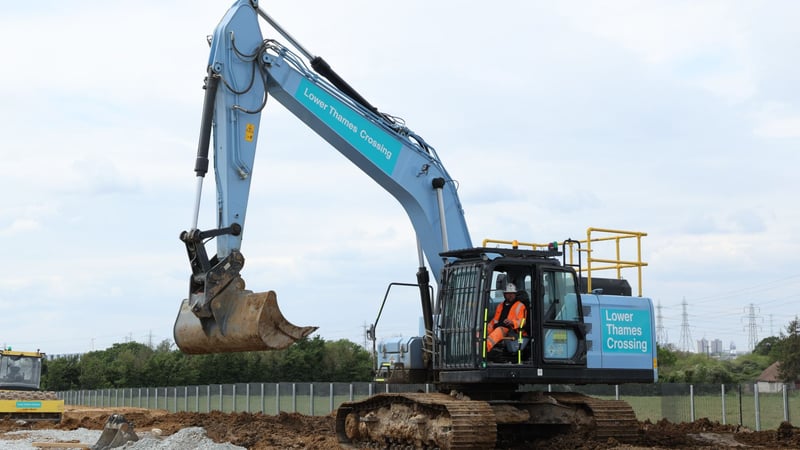
Lower Thames Crossing will be the biggest development of electric and hydrogen powered heavy machinery in the world. Photo: Lower Thames Crossing.
Katharina Ferguson is Sustainability and Supply Chain Development Director for the £10 billion project. It consists of a 23 km-long highway connecting Essex and Kent east of London, including one of the world’s largest tunnels under the River Thames.
The scale is a challenge in itself, but more importantly, the project aims to eliminate diesel entirely for heavy machinery, while also replacing concrete and steel with low‑emission alternatives. The target is to be a carbon neutral construction project.
During the procurement process contractors were asked to come up with ways of reducing emissions. And they did – by cutting emissions by 50 per cent from the outset, achieved by adjusting the design, adopting new methodologies, the choice of materials and so on.
“When we started, we pushed the market to achieve a 30 per cent reduction in carbon, however we didn’t know how far we could go,” Ferguson admits. “Therefore the result was quite a surprise when we suddenly achieved a 50 per cent reduction at no additional cost. It shows that once you challenge the market, the market actually can respond.”

Katharina Ferguson is Supply Chain Development Director for National Highway’s Lower Thames Crossing project. Photo: Lower Thames Crossing.
Encouraged by this, the project team is now aiming for a 70 per cent reduction in construction emissions and to be carbon neutral.
One of the main measures is to remove all diesel. It will partly be replaced by biofuel, HVO, but also by using electric and hydrogen‑powered construction equipment such as excavators, dumper trucks and telehandlers wherever possible. The project plans to use around 140 such zero‑emission machines, one of the largest deployments of its kind globally.
A flagship tunnel project
The most striking element is the tunnel. It will consist of two 16‑metre‑wide and 4.2 km‑long tunnels, making it the fourth largest tunnel in the world. Here, contractors believe they will be able to reduce emissions even further and are targeting 80 per cent reduction compared to traditional construction.
“The contractors Bouygues-Murphy saw it as a real technological challenge to go further with the tunnel part. It’s impressive to see this type of engineering. It’s all about finding new solutions, minimising structural elements and swapping out materials without compromising safety,” Ferguson says.
As an example, 38,000 tonnes of CO2e will be saved by using only one giant tunnel boring machine instead of two, which would normally be the case.
Hydrogen powered charging
Reaching the emissions targets is important, but it must also be achieved in a way that is economically sustainable. Planning charging infrastructure to maximise the use of electric equipment is therefore central.
First priority is to optimise the use of existing grid connections. In addition, the project also relies on hydrogen powered generators. These charge battery storage units, which are then transported to the sites of the machines to charge them. To ensure increased efficiency there is also a constant focus on utilisation of the electric plant to 80–90 per cent of the time, instead of the usual 30–40 per cent.
“The hydrogen-generated charging works very well. Today we have 11 pieces of construction equipment in use and we have had very few issues in terms of logistics. We learn all the time, start small and scale up. And if there is a piece of equipment that doesn’t work for our purposes, we swap it out.”
Hydrogen generators are no new phenomenon. They are used, for example, in the film industry, because of their silent operation. In fact, most of the novelties in the Lower Thames Crossing have been tried out elsewhere.
“Everything we do has been tried and tested — we are just supersizing it. And we need to make the solutions commercially viable, so they have a larger legacy than just our project.”
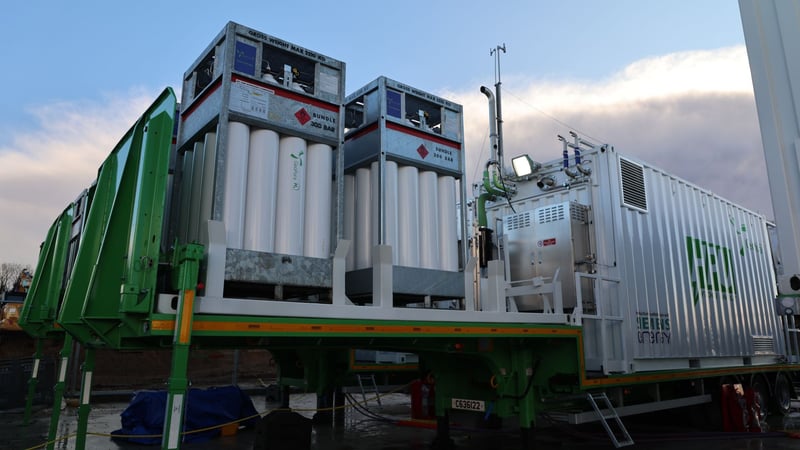
450 kW hydrogen generators are used to charge the electric machinery. Photo: Lower Thames Crossing.
The economics
Reducing emissions comes with a cost, but not necessarily as big as many tend to believe.
“For low‑emission steel, most is recycled steel or rebar, and it is not significantly more expensive. For concrete, much depends on the mix. If you work on mix and design, you can reduce emissions significantly while still meeting strength requirements, and that is again not a large difference in cost,” Ferguson explains.
For zero‑emission equipment, prices are also going down partly driven by Chinese manufacturers. In addition, the project has secured hydrogen supply at a competitive price, and as diesel prices increase, the extra cost of biofuel, HVO, is decreasing.
“The plan is to get it on par. We are not there yet, but we can see the building blocks and the shift. We know it is a trade-off between cost and emissions, but we expect to see significant progress in the coming years. Suppliers are moving in the same direction — we are all working towards the same goal.”
Construction has started and will ramp up over the coming years, with completion planned for the early to mid‑2030s.
A conservative industry
Volvo Construction Equipment is one of the suppliers of electric construction machinery to the Lower Thames Crossing, including dump trucks.
Electric construction machinery is a relatively new field; Volvo CE supplied its first units just six years ago. Since then, the range has expanded and now includes a variety of machine types, from excavators to 20-tonne wheel loaders.
“Having spent decades developing diesel-powered construction machinery, the company is now investing heavily in electrification, digitalisation and sustainable solutions. “Through investments in electric machines, intelligent services and new business models, Volvo CE aims not only to develop the construction machinery of the future – but also to help transform the entire construction and civil engineering industry towards a more sustainable future,” says Segment Leader Gustav Boberg.
However, major projects such as the Lower Thames Crossing are not yet very common. Progress is slower than the industry had hoped, he says.
“Infrastructure projects such as these are important because they demonstrate that electrification is no longer just about trials and pilot projects. Here, the machines are being used in real-world production, with high demands on availability, productivity and safety,” says Gustav Boberg, continuing:
“We truly believe in electrification and Volvo CE’s goal is to achieve net zero by 2040. But we feel the transition is happening far too slowly. The products and solutions are there. At the same time, the value chain in the construction industry is complex and rather conservative.”
What is needed is for the clients behind the projects to stipulate that the work must be carried out fossil-free, in the same way that National Highways is doing for the Lower Thames Crossing; otherwise, contractors will not dare to invest.
“Many in the industry are sceptical. They are used to machines running on diesel, and some have preconceived notions. But when an operator gets to try out an electric machine, almost everyone realises that it is better, quieter, cleaner and has a faster and more responsive hydraulic system. What’s more, the difference in the total cost of ownership between an electric and a diesel-powered machine is becoming increasingly negligible, as electricity is, on average, cheaper than diesel, and service and maintenance costs are around 30 per cent lower than for fossil-fuelled machines. This points to continued electrification," says Gustav Boberg adding:
“We can see that a transition is underway. A lot has happened in markets such as Sweden, Norway and the Netherlands. Above all, this is happening in cities that want to improve air quality and the working environment, and reduce climate emissions. Cities also have easy access to electricity supply.”
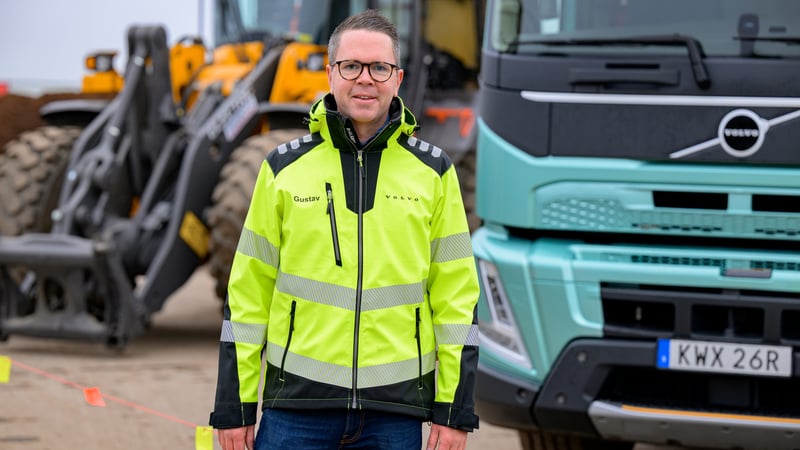
Gustav Boberg, Segment Leader at Volvo.
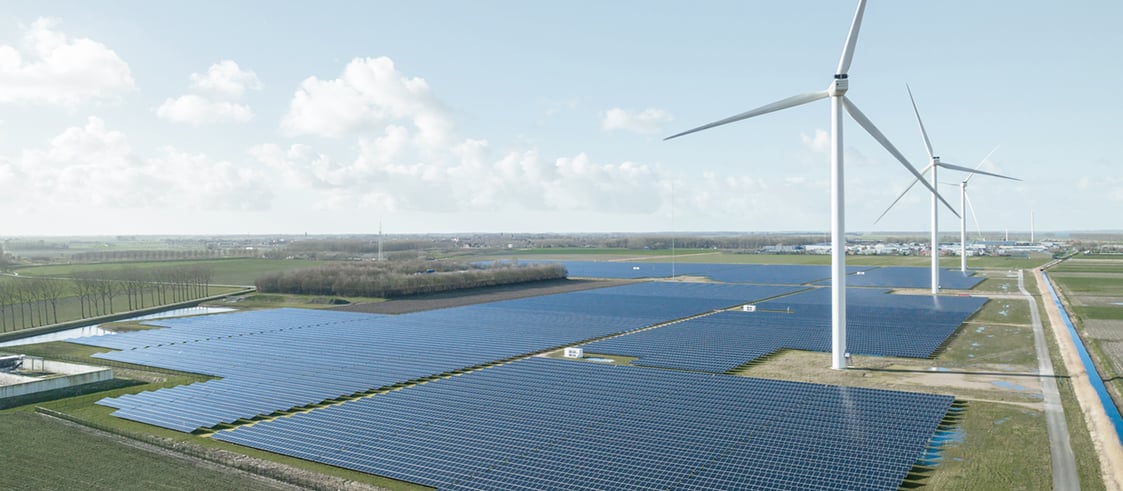
Register for our monthly newsletter THE EDIT
THE EDIT is Vattenfall's new monthly newsletter. Each issue highlights a new burning issue from the world of sustainable energy and fossil freedom.
See also
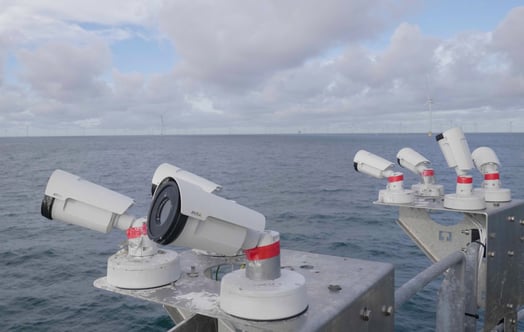
Thermal cameras shed new light on bird activity at sea
A thermal-camera and AI-system tested at Vattenfall’s Hollandse Kust Zuid offshore wind farm in the North Sea monitored bird movements around a turbine, day and night. As the technology work...
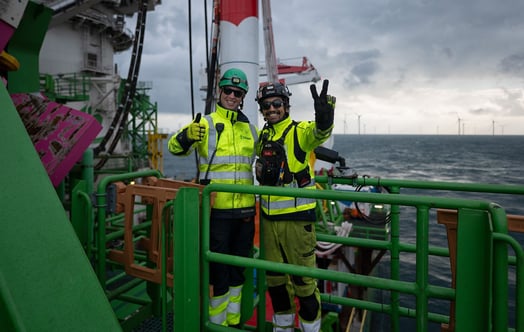
What it takes to build one of Europe’s largest offshore wind farms
In the German North Sea, the first visible signs of Nordlicht wind farm are beginning to emerge above the sea surface. By 2029, 112 wind turbines will make a strong contribution to the count...
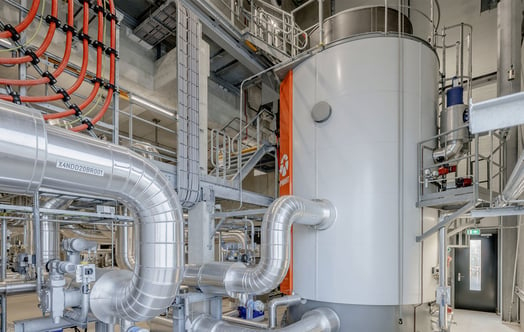
Giant water heater makes district heating more flexible
In Diemen, the Netherlands, Vattenfall converts renewable electricity into heat for thousands of households.