
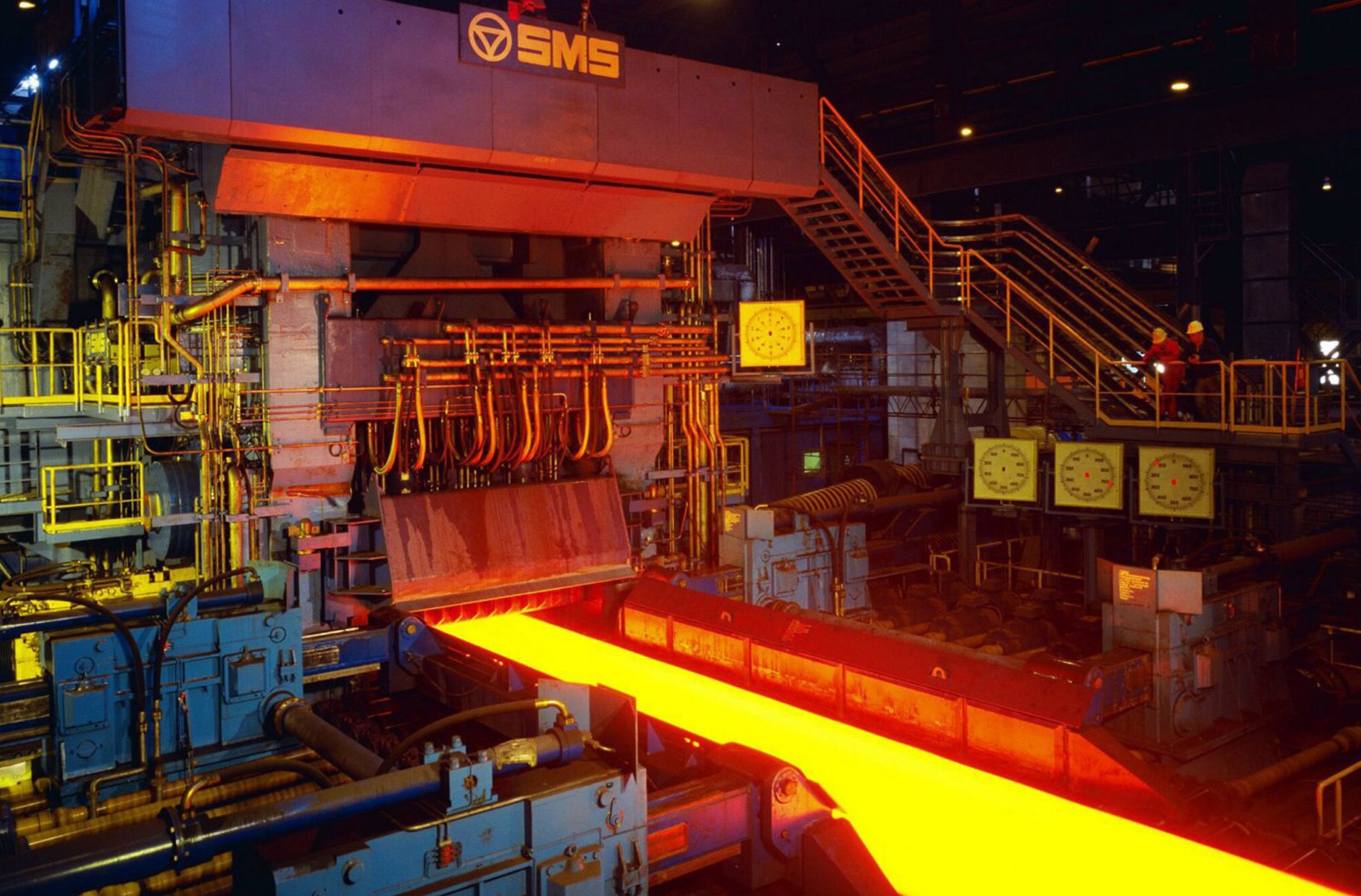
Swedish fossil-free steel one step closer
Vattenfall, SSAB and LKAB form joint venture company.
Vattenfall together with Swedish steel manufacturer SSAB and iron ore producer LKAB have formed a joint venture company which will seek to develop a steelmaking process that emits water instead of carbon dioxide. The three companies will each own one third of the new company named HYBRIT.
“HYBRIT is a very important initiative for SSAB and for a fossil-free Sweden by 2045. A joint venture company will enable us to work together effectively to eliminate the root cause of carbon dioxide emissions in the steel industry," said Martin Lindqvist, President and CEO of SSAB.
"Our establishment of a joint venture to develop HYBRIT indicates our conviction that it is possible to develop a fossil-free production chain all the way from the mine to the steelworks. If we're successful, this will be a technology breakthrough that can make a global contribution to significantly limiting climate change," said Jan Moström, President and CEO of LKAB.
"By taking this step, we are making clear our activities and determination to find solutions to the climate issue. Vattenfall can see that electrification of the industry and climate-smart hydrogen gas have an important role to play," says Magnus Hall, President and CEO of Vattenfall.
Hydrogen instead of coal and coke
Last spring, SSAB, LKAB and Vattenfall launched an initiative to solve the carbon dioxide issue in the Swedish steel industry. By replacing today's blast furnace process that uses coal and coke with a process based on hydrogen gas, the aim is to develop a process that emits water rather than carbon dioxide.
Since its launch, the initiative has received various support from the Swedish Energy Agency, including funding towards a four-year research project.
This initiative is divided into three phases: a preliminary study up to the end of 2017, followed by research and pilot plant trials up to 2024. Finally, up to 2035 the plan is to perform trials in a full-scale demonstration facility.
Sweden is uniquely qualified to undertake this initiative. It has a specialized and innovative steel industry, access to climate-smart and renewable electrical power, and the best-quality iron ore in Europe.
See also
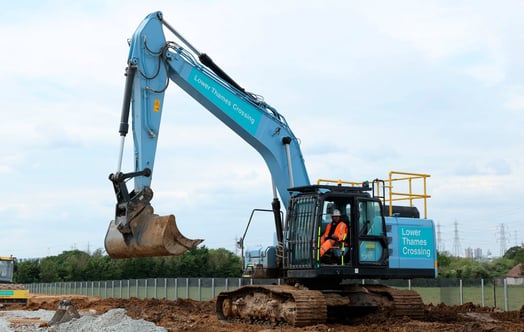
Huge road and tunnel project in the UK aims to reshape construction for the future
Construction is one of the hardest sectors to decarbonise. But in the UK, a major infrastructure project aims to reach carbon neutral by using electric machinery and low‑emission materials.
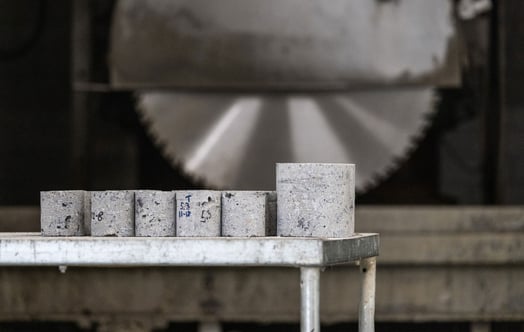
Rethinking cement: cutting emissions at the source
Cement is one of the world’s most widely used construction materials – but also one of the largest sources of emissions. That insight marked the starting point for Swedish company Cemvision,...
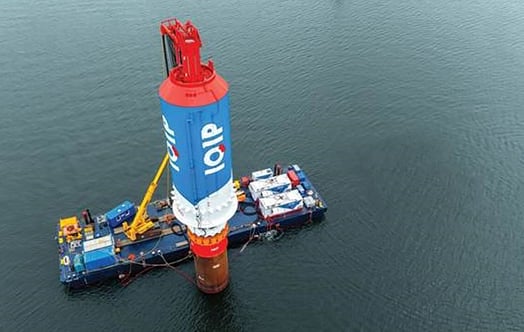
IQIP, EnBW and Vattenfall announce full-scale offshore monopile installation using EQ‑Piling technology
IQIP, EnBW and Vattenfall: Offshore installation of a complete monopile using EQ-Piling technology