
Electric boiler in Hamburg will generate heat during peak-load periods and, in future, convert wind energy into heat to be used for district heating.
How does a power-to-heat plant work?
- It effectively works like a continuous-flow water heater that uses wind energy to heat water.
- The hot water can be supplied to the district heating network or used for industrial processes.
- By reducing the use of fossil fuels to produce heat the plant cuts CO2 emissions.
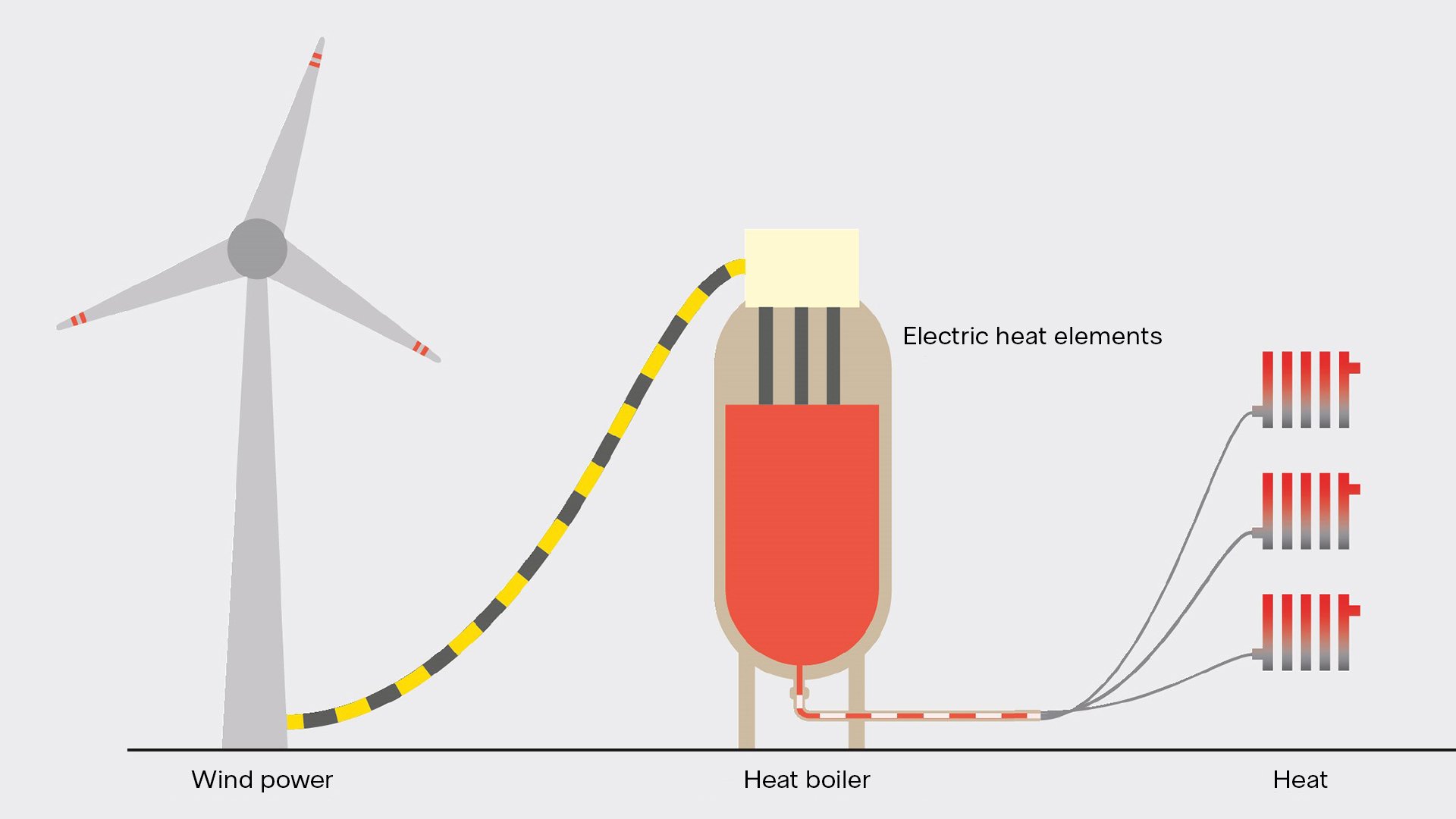
Click to enlarge
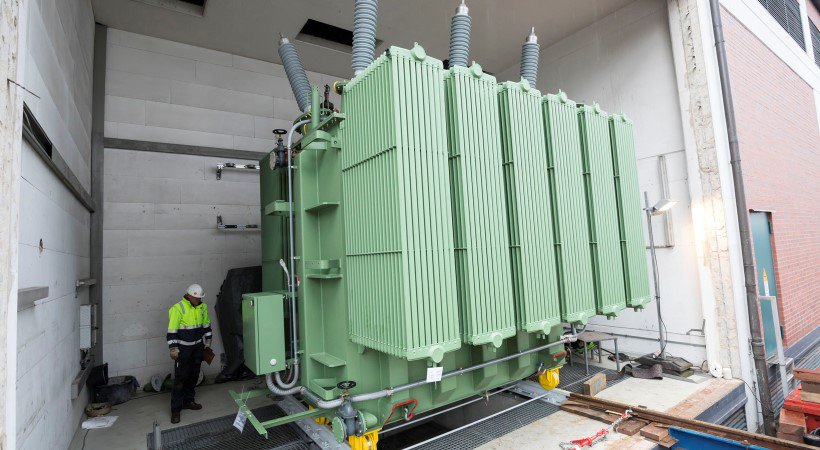 The largest power-to-heat plant to date in Germany officially entered service on 29 November 2018, but as early as September, the new plant supplied its first megawatt-hour of heat to the district heating network in Hamburg. The plant is intended to generate heat during peak-load periods and, in future, convert wind energy into heat to be used for heating purposes.
Project Manager Bernd Gross is pleased: "Delivering the first megawatt-hour enabled us to show that the new electric boiler is ready for use. This modern plant will also be able to convert wind energy into heat and therefore make a further contribution to sector coupling and the energy transition in the long term."
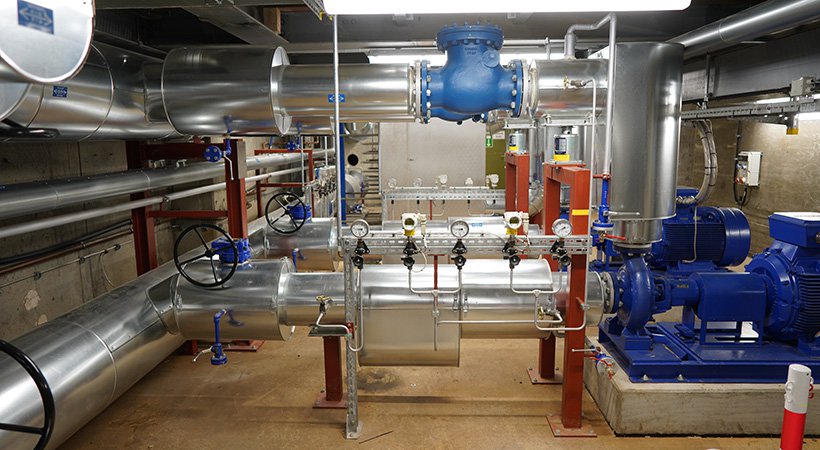
Reduced use of fossil fuels means fewer CO2 emissions
The plan is to use the plant in the event of a short-term surplus of energy from renewable sources. Wind energy can then be used to heat water that will be supplied to the district heating network.
"Generally speaking, it works like a giant continuous-flow water heater and enables us to reduce the use of fossil fuels to generate heat and cut CO2 emissions," Gross explains.
Sector coupling – essential for the energy transition
"We want to integrate renewable energy sources - primarily wind in Northern Germany – into the system to a much greater degree and couple it with other sectors," says Gross. Using more renewable energy to generate heat or in industrial processes while gradually replacing fossil fuel sources will enable us to take a number of important steps along the road to the energy transition."
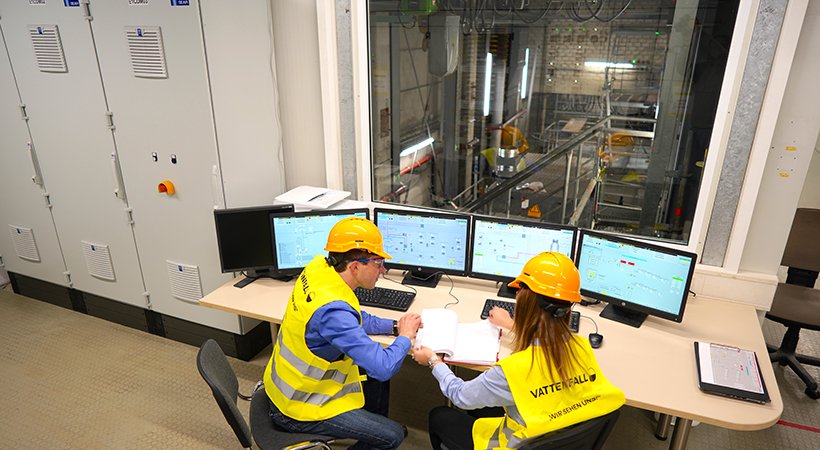
The Karoline electric boiler is a showcase for intelligent energy use
The plant is a major project within the “Smart Energy Showcases – Digital Agenda for the Energy Transition" funding programme launched by the Federal Ministry for Economic Affairs and Energy. The aim is to use this power-to-heat plant to determine the basic technical and economic conditions for the operation of a plant of this kind. The programme should establish whether it is possible to supply the entire region of Northern Germany and its 4.5 million inhabitants with renewable energy by 2035.
See also
Vattenfall Business Area Wind maintains leader status in IRBC assessment
Vattenfall’s Business Area Wind has once again been recognised as a Leader in the IRBC assessment, reflecting continued progress in responsible and sustainable business practices.
Thermal cameras shed new light on bird activity at sea
A thermal camera and AI system tested at Vattenfall’s Hollandse Kust Zuid offshore wind farm in the North Sea monitored bird movements around a turbine, day and night. As the technology work...
What it takes to build one of Europe’s largest offshore wind farms
In the German North Sea, the first visible signs of Nordlicht wind farm are beginning to emerge above the sea surface. By 2029, 112 wind turbines will make a strong contribution to the count...