
- Wind turbine towers made with low-emission steel(3)
- Protecting and enhancing biodiversity, with long‑term habitat and species monitoring
- Clashindarroch II will provide around £315,000 per year community benefit funding
- Renewable power for 61,5001 homes, avoiding around 90,8002 tonnes of CO2 each year
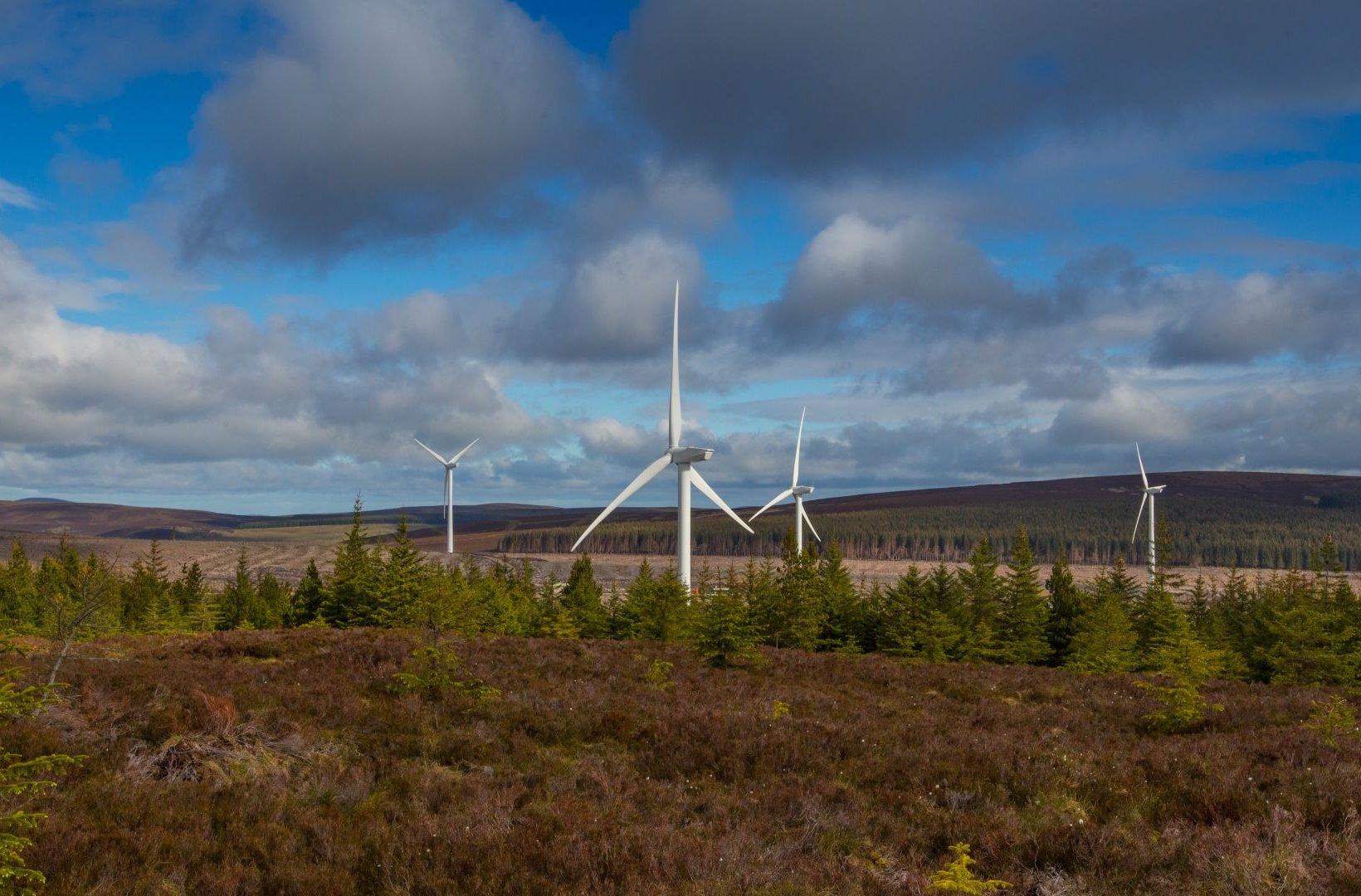
Construction of Vattenfall’s Clashindarroch II onshore wind farm near Huntly is demonstrating how renewable energy projects can reduce emissions across their full lifecycle while delivering benefits for local communities and the environment.
The 63 MW wind farm, currently under construction in Aberdeenshire, builds on more than a decade of renewable energy generation at the existing Clashindarroch site. Once operational, it is expected to generate enough renewable electricity to power more than 61,500 UK homes(1) each year and avoid around 90,800 tonnes of CO2 annually(2) by displacing fossil-fuel generated electricity.
Alongside electricity generation, the project is targeting emissions associated with materials, construction and operations. This includes using low‑emission steel for turbine towers, which is estimated to reduce the overall carbon footprint of the towers by around 36 per cent compared with conventional steel(3). The wind turbine foundations will also incorporate recycled steel and lower‑carbon concrete mixes(5).
Construction emissions could also be reduced through the use of Hydrotreated Vegetable Oil (HVO) fuel for site machinery, alongside hybrid equipment including excavators and generators, while on‑site batching plants(4) are minimising transport‑related emissions.
Protecting the local environment is a central part of the project, with independent ecological specialists overseeing works and a comprehensive Species Protection Plan in place. Habitat restoration, tree planting and long‑term monitoring for species including Scottish wildcats, pine martens, bats, otters, badgers and red squirrels are being delivered alongside construction.
Once operational, Clashindarroch II will provide around £315,000 per year in community benefit funding. With the existing Clashindarroch Wind Farm Community Benefit Fund, more than £500,000 will be invested annually in local communities. First power is expected in 2027.
Matt Bacon, Head of Onshore Market Development UK at Vattenfall, said:
“Clashindarroch II shows what modern onshore wind can deliver. We’re not just generating renewable electricity, we’re reducing emissions across the whole project lifecycle and making sure the benefits are felt locally. By working closely with our supply chain and contractors, we’re building in practical carbon‑reduction measures from the outset, while supporting nature and providing long‑term value for the communities around the site.”
Notes to editors
Facts and figures about Clashindarroch II
- 14 x 4.5 MW wind turbines
- Capacity: 63 MW
- Equivalent UK households powered: around 61,566 annually(1)
- Predicted to avoid around 90,844 tonnes of CO2 every year(2)
- First power expected Summer 2027
- Clashindarroch II wind farm will provide around £315,000 per annum in community benefit funding to the local community.
- The operational Clashindarroch Wind Farm has provided more than £2million in funding to the local area in its first ten years of operation.
- Further information about Clashindarroch II Wind Farm can be found here.
- Calculated according to RenewableUK ‘Homes Powered Equivalent’ methodology.
- Calculated using RenewableUK emissions displacement methodology.
- Based on Environmental Product Declarations and an internal comparison by Vestas.
- A batching plant is a temporary, on-site facility used to mix cement. By producing cement close to where it is poured, the plant significantly reduces the need for long-distance deliveries by road, cutting fuel use, traffic movements and associated emissions.
- The cement in the concrete is at least 25% PFA (pulverised fuel ash) which displaces the portland cement and reduces embodied carbon by 20–30% per m3.
See also
Vattenfall Business Area Wind maintains leader status in IRBC assessment
Vattenfall’s Business Area Wind has once again been recognised as a Leader in the IRBC assessment, reflecting continued progress in responsible and sustainable business practices.
Thermal cameras shed new light on bird activity at sea
A thermal camera and AI system tested at Vattenfall’s Hollandse Kust Zuid offshore wind farm in the North Sea monitored bird movements around a turbine, day and night. As the technology work...
What it takes to build one of Europe’s largest offshore wind farms
In the German North Sea, the first visible signs of Nordlicht wind farm are beginning to emerge above the sea surface. By 2029, 112 wind turbines will make a strong contribution to the count...