
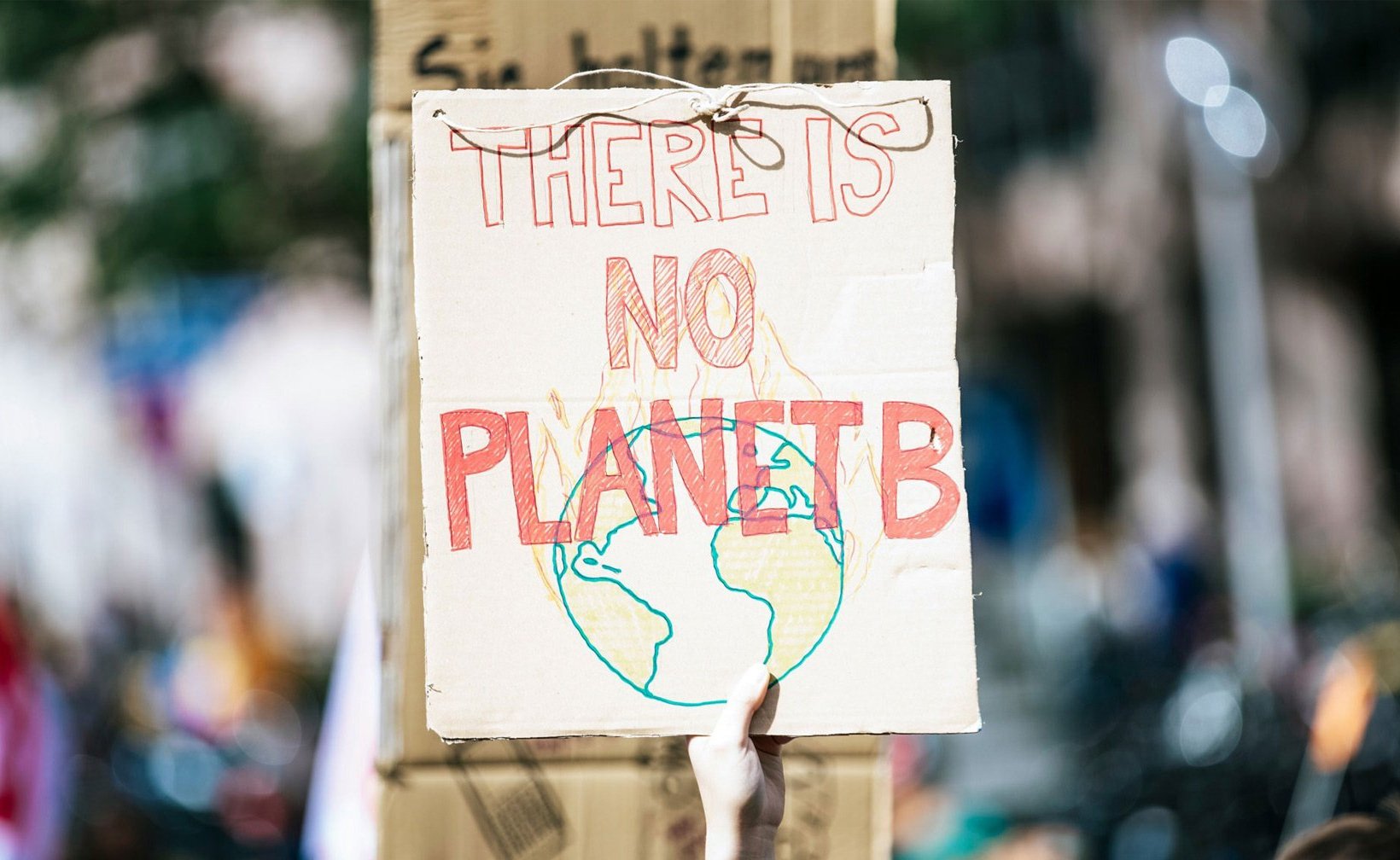
People around the world want their governments to take action to address climate change. But while overall support is high, it does not always translate into the same level of public backing for specific policies. Good news is that there are messages and framings that can make a significant difference.
A major global message testing study showed that on average across 23 countries, 78 per cent of people agree with the statement “It is essential that our government does whatever it takes to limit the effects of climate change,” with just over 10 per cent disagreeing.
The study Later is Too Late (with a summary here), carried out by the non-profit marketing firm Potential Energy together with the Yale Program on Climate Change Communication and the philanthropy organisation Meliore Foundation, was published late last year. It concluded that the climate transition can be dramatically accelerated with the right framing and messages.
“Nobody will be able to survive the climate crisis alone. Paramount to our thinking both in communications and politics must be this: a society that has the best hope of surviving devastating climate impacts will be the one that has brought everybody with it,” says Tom Brookes, CEO of the Meliore Foundation and strategic partner of the report. Brookes is also a former Executive Director of Strategic Communications at the European Climate Foundation.
Limitations a losing frame
The report shows that framing is a key difference maker for specific policy proposals. Frames that included the words mandate, ban or phaseout on average had 9 points lower support than those that did not. Framings that included ideas like upgrading, setting standards, making solutions accessible, reducing pollution, and reducing dependency performed much better.
Pollution was the one limitation that seemed to work. Otherwise, limitation was showed to be a “losing frame”.
Apart from framing of specific policies, the report looked for messages and narratives that could lift support for action. The finding: The big “why” for climate is not jobs, prosperity or even the cost of extreme weather – it is love for the next generation.
11 percentage points increased support for climate action
In each of the 23 countries, love for the next generation was the dominant reason for action on climate change. And protecting the planet for future generations was a reason twelve times more popular than job creation.
It showed that a big narrative such as an urgent generational one can “tap our shared motivations and tip the balance”.
The tested urgent generational narrative lifted the level of global strong support for climate action by an average of 11 percentage points. It called on our responsibility to leave behind a safe and liveable world for future generations, stating that “we need immediate action on climate change, because later is too late”.
“This is the fight of our lifetimes and it is our duty to win” says Tom Brookes.
On 24 September, Tom Brookes will be speaking at the digital conference "Can climate communication overcome the bad news problem?", which we hope you will want to join. He will be participating in a panel that discusses the topic "Can we be balanced about climate change?".

Photo credit for top picture: Markus Spiske via Unsplash.
See also
Vattenfall Business Area Wind maintains leader status in IRBC assessment
Vattenfall’s Business Area Wind has once again been recognised as a Leader in the IRBC assessment, reflecting continued progress in responsible and sustainable business practices.
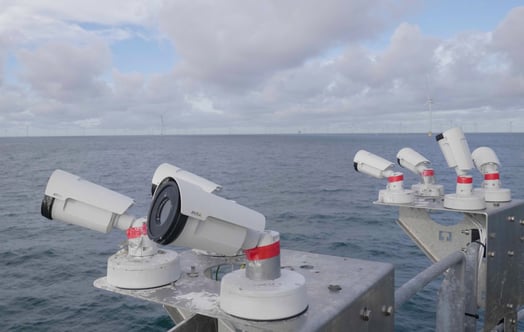
Thermal cameras shed new light on bird activity at sea
A thermal camera and AI system tested at Vattenfall’s Hollandse Kust Zuid offshore wind farm in the North Sea monitored bird movements around a turbine, day and night. As the technology work...
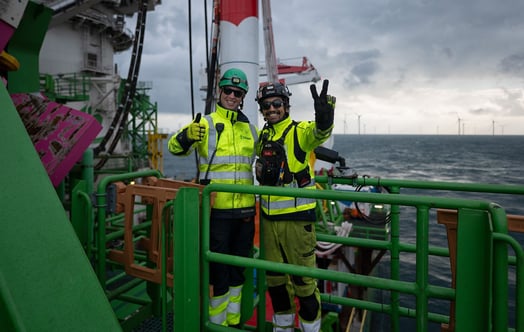
What it takes to build one of Europe’s largest offshore wind farms
In the German North Sea, the first visible signs of Nordlicht wind farm are beginning to emerge above the sea surface. By 2029, 112 wind turbines will make a strong contribution to the count...