
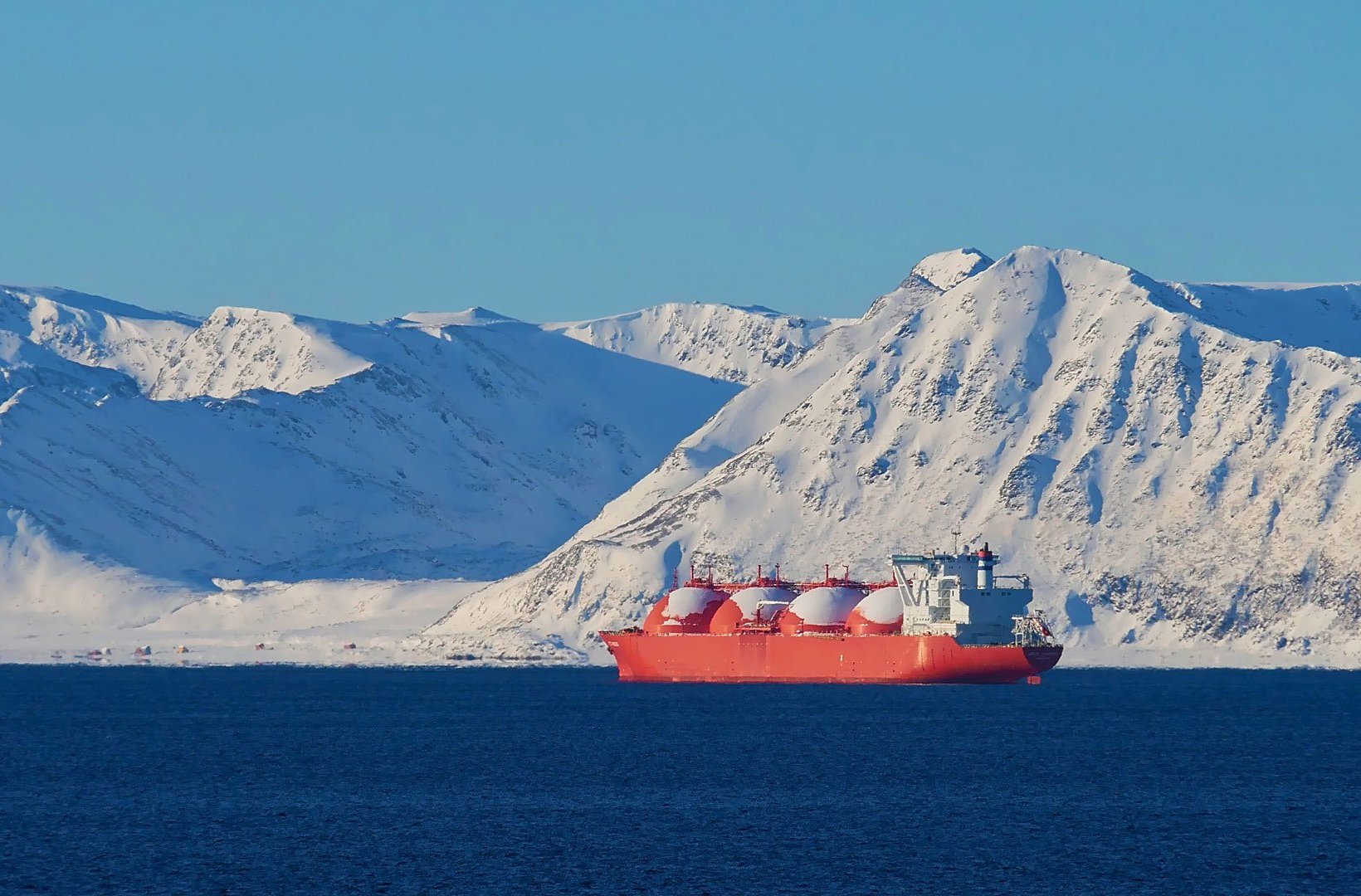
Replacing Russian gas and accelerating fossil‑free energy are top priorities in the European Union. Four years after Russia’s full‑scale invasion of Ukraine, the transition is clearly under way — but not without significant challenges.
Recent development in Iran and the Middle East is affecting the energy situation in Europe. Vattenfall is monitoring the situation and possible effects on customers in our markets. Long term effects are difficult to predict. This situation once again emphasizes the need for Europe to move away from the dependencies on fossil fuels.
In 2025, the European Union reached a major milestone as wind and solar generated more electricity than fossil fuels for the first time, marking a significant shift in the power sector.
This development is important for the climate transition and the EU’s carbon emissions targets.
But the growth in power production on European soil is also, and to a growing extent, important for the security of supply. This is because transitioning away from fossil fuels, such as fossil gas, reduces reliance on imported energy — particularly from geopolitically unstable or hostile suppliers such as Russia — and increases Europe’s resilience in severe crisis situations.
Stabilised, but still vulnerable
Before the full‑scale invasion of Ukraine in February 2022, Russian gas accounted for 30 to 40 per cent of gas used in the EU. In connection to the invasion, Russia closed important pipelines to Europe, and the need had to be filled by other sources at short notice — most European households remember the dramatic impact on energy prices in the year that followed.
Last year prices were generally back at pre‑crisis levels. The disrupted supply from Russia has largely been replaced by LNG, liquefied natural gas. In addition, gas demand has fallen by 10 to 15 per cent. This is largely due to efficiency measures, but electrification and transitioning to renewable energy sources, including heat pumps, also has impact.
The biggest supplier of LNG to Europe is the US, others include Qatar, Algeria and, so far, also Russia (see fact box). However, replacing pipeline gas with LNG has changed the nature of Europe’s energy security.
A global market with global risks
As LNG carrier ships can go anywhere in the world, the growing reliance on LNG poses new challenges for Europe, explains Vattenfall’s Guy Smith, Director Natural Gas and Green Fuels.
“To attract LNG to Europe, we must pay a price high enough to attract it away from somewhere else,” Smith explains. “For example, if Japan has a crisis and needs gas, they will pay more, and cargoes will divert to Japan. We need to compete with that price to get them to come to Europe, even if this was always the case to some extent.”
Gas prices are also highly sensitive to changes in the weather, and some weeks in early 2026 saw a prolonged period of extreme cold in Northern Europe.
“When we experience extreme cold, and have less supply from pipelines, we need to engage more competitively on the global LNG market, so prices rise faster,” Smith says. “That’s what we saw in February — not just in Europe, but also in the US — as cold weather fronts appeared in several regions at the same time.”
According to the Institute for Energy Economics and Financial Analysis (IEEFA), EU’s reliance on LNG from the US is expected to grow significantly. By 2030, up to 40 per cent of the EU’s total gas and LNG imports could come from the US, up from 27 per cent in 2025. This could create a new geopolitical dependency, the institute warns
Biomethane, or green gas, is one way of decreasing import dependence. Vattenfall support gas customers’ decarbonisation journey by increasing biomethane sourcing. One example is the agreement with waste management company Renwi to buy 7.5 million cubic metres annually of biomethane made from food waste. The biomethane is added to the regular Dutch gas network where it replaces fossil gas.
On EU level biomethane production is growing and is becoming more prominent in the supply chain. In 2024 biomethane was produced in 25 EU countries according to European Biogas Association.
Security depends on secure energy
Speaking at the Munich Security Conference in mid-February, the EU Commissioner for Climate, Dan Jørgensen, delivered a clear message: Without energy security, there can be no broader security.
“We need to address both dimensions of energy security — reducing dangerous dependencies by accelerating homegrown renewables and diversification, while at the same time strengthening the protection and resilience of our critical infrastructure against physical, cyber and climate threats. Only by combining resilience and independence can we ensure a truly secure energy future for Europe.”
EU countries are legally committed to fighting climate change by shifting to a climate neutral economy and are bound to reduce emissions by at least 55 per cent by 2030 — an intermediate step towards net zero emissions in 2050.
Vattenfall investments
In its five year investment plan, Vattenfall will invest SEK 165 billion (EUR 15.5 billion) in modernising its assets and in added wind capacity, solar power, batteries, grids, charging infrastructure and more. The company is also planning to add new nuclear capacity in Sweden.
Fossil gas in the EU
The EU imports pipeline gas primarily from Norway, Algeria, Libya, Azerbaijan, Russia and the UK, accounting for around 62 per cent of total gas imports. The remaining 38 per cent consists of liquefied natural gas (LNG).
The EU has decided to ban imports of both Russian pipeline gas and LNG by 2027.
Read more: EU Gas Insight | Strategic Perspectives
Sign up for our newsletter THE EDIT
THE EDIT is Vattenfall's new monthly newsletter. Each issue highlights a new burning issue from the world of sustainable energy and fossil freedom.
See also
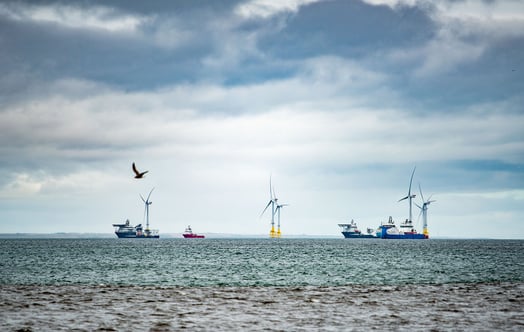
How birdlife and offshore wind power interact
How are birds affected by offshore wind power – and how can new technology help us understand the subject better? Extensive studies are underway at offshore wind farms to understand how bird...
Scientists agree: Biodiversity loss is now a business risk
Animal and plant species are disappearing at an unprecedented rate. This also has serious consequences for the economy, according to an intergovernmental scientific report that also sets out...
Unique study fills gap on effects from electromagnetic fields on marine mammals
Can harbour porpoise detect electromagnetic fields and are they affected? In a pioneering research project Vattenfall aims to find out, together with Danish and Swedish universities.