
Exploring potential electro-magnetic disturbance in wild porpoises
There is a critical knowledge gap concerning the potential impact of electromagnetic fields (EMF) on marine mammals.
Short facts
- Denmark
- Harbour porpoises
- Investigate the effects of electromagnetic fields on harbour porpoises and design of a device, which will be capable of measuring electromagnetic fields from offshore cables.
- 2024–2027
This gap is particularly important given the increasing electrical cable installation and other human activities in marine environments.
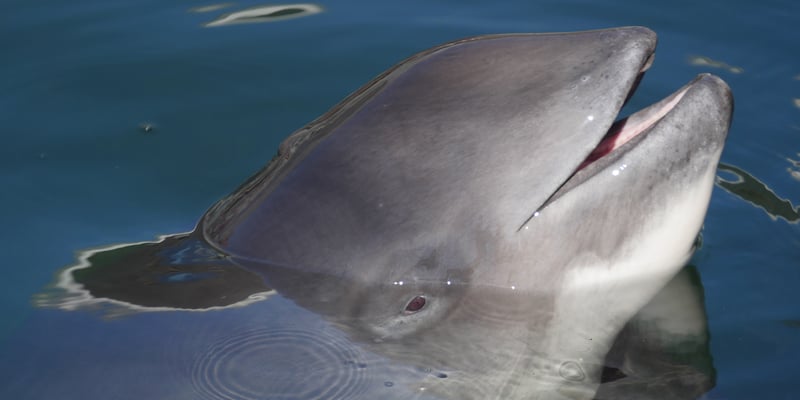
In collaboration with the University of Southern Denmark (SDU), this research project aims to determine whether EMF from underwater infrastructure may disturb harbour porpoises.
In the first stage of the project, completed in June 2024, it was established that the proximity of underwater power cables can be detected through electromagnetic anomalies in biologging data from tagged porpoises. This indicates some level of electromagnetic exposure in wild porpoises. Moreover, data from three wild animals showed different behavioural reactions when porpoises were close to underwater cables. Results of the first stage of the EMF project are expected to be submitted for peer-review publication in 2026.
In the second stage, which began in January 2025, additional lab experiments were conducted at Fjord&Bælt in Denmark. At the facility, harbour porpoises in captivity are trained to work voluntarily in various research projects. The animals are never subjected to any form of punishment, whether verbal or physical. The animal trainers are guided to ensure that the animals can participate in various projects responsibly. Porpoises were exposed to a range of EMF, and their behaviour was observed showing that harbour porpoises are able to sense electrical fields.
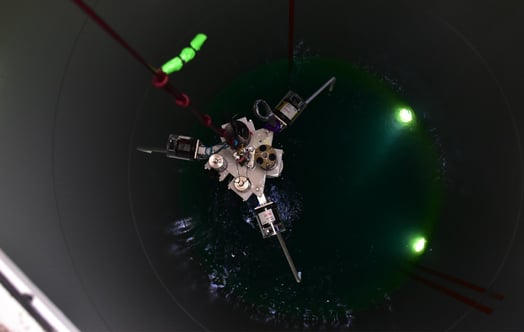
To better understand how this relates to EMF emitted by offshore cables, Vattenfall is running a complementary project with Ocean Wave Xploration. The aim is to build a bespoke device capable of measuring EMF in offshore environments. This project started in 2025, with construction planned for 2026 and offshore testing scheduled for 2027.
More about biodiversity
Biodiversity and nature protection are a priority at Vattenfall. It is one of the focus areas in our environmental policy and therefore also a central part in our environmental work.
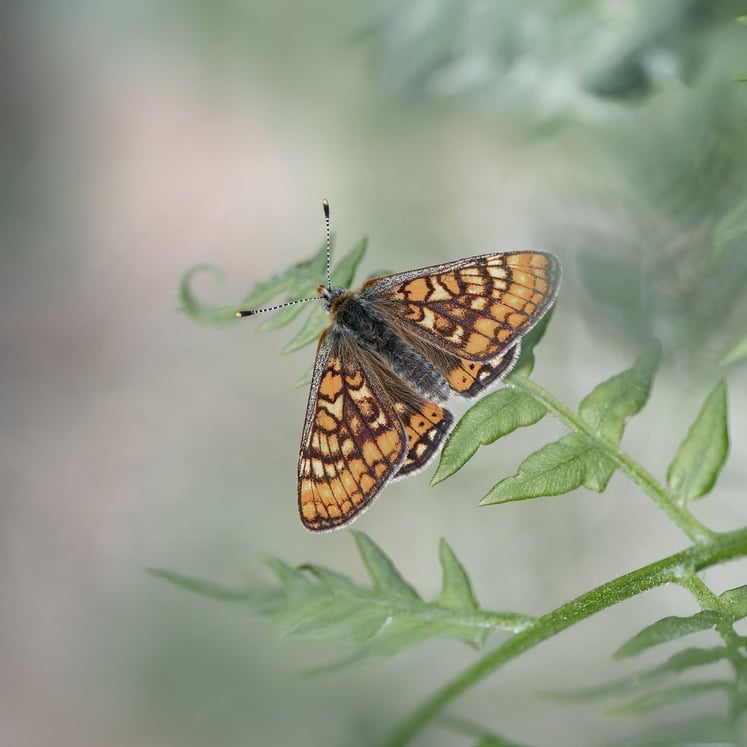
How we make a difference for nature
Biodiversity is an important and integrated part of our work. Here, we show concrete examples of how we care for nature through our projects.
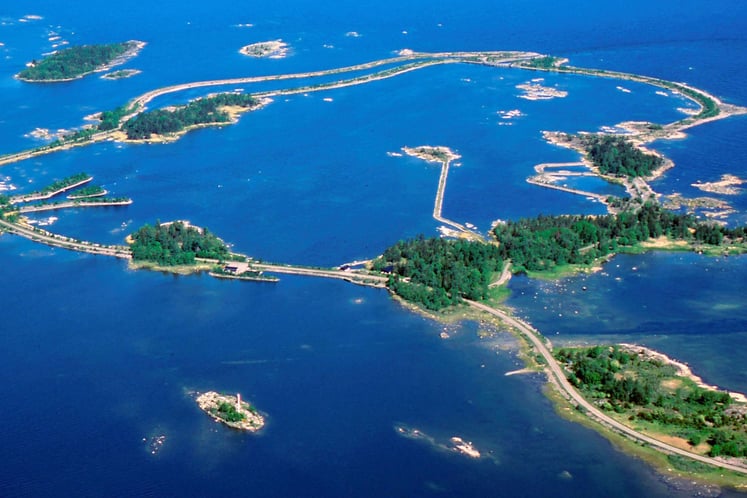
See also
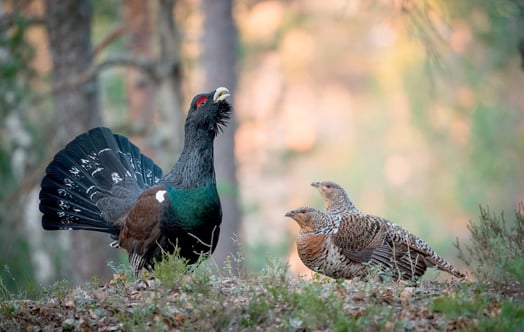
Coexisting with capercaillie: innovative forestry methods at Bruzaholm wind farm
At the Bruzaholm wind farm in Sweden, a new approach for balancing wind power and capercaillie conservation was developed.
Nature inclusive design at Hollandse Kust Zuid
Nature-inclusive offshore wind design adds features to support native species.
Restoring peatlands: forest to bog transformation in the UK
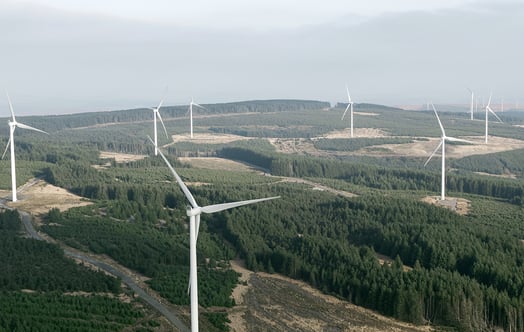
At two sites in the UK, Vattenfall has been converting land previously under commercial conifer plantations into open peatland habitats.