
From waste heat to fish feed
We are testing a system in Boden, Sweden where excess heat from a data centre is used to grow black soldier fly larvae that become feed for salmon and trout at Vattenfall’s Heden compensation farm.
The larvae replace imported fishmeal, reducing pressure on wild fish stocks, supporting local production, and reduces transportation needs. They are grown on food scraps using waste heat from servers powered by hydropower from the Lule River.
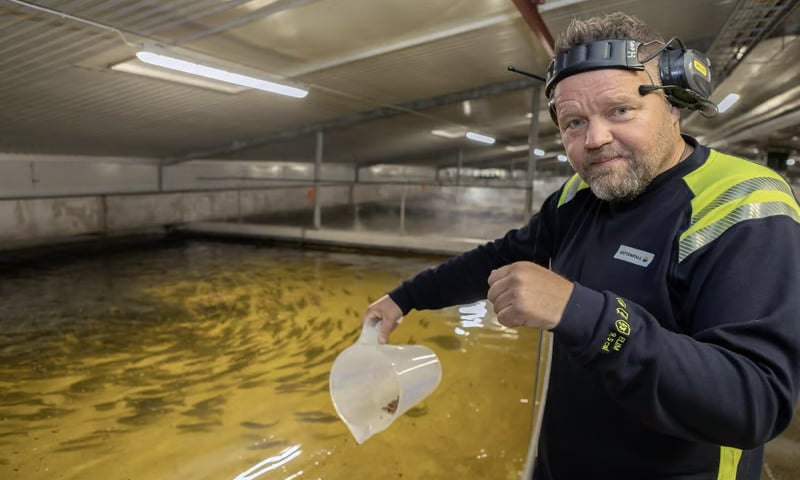
The pilot covers around 30,000 trout and evaluates how well the fish adapt to larvae-based feed and whether this process can be scaled. Early results show strong acceptance, with careful feeding needed to maintain natural migration behaviour.
The initiative is part of the national “Feed for the Future” programme led by SLU and Axfoundation, developing feed from Swedish residual streams. It supports Vattenfall’s sustainability ambitions while creating local jobs and biodiversity initiatives in Heden.
Heden on the Lule River is Vattenfall’s largest compensation fish farm, annually releasing over 650,000 salmon, sea trout and lake trout to restore populations in the Lule River.
More about circularity
The transition to a circular economy is an opportunity, and renewable energy is an important piece of the puzzle in driving the circular economy forward.
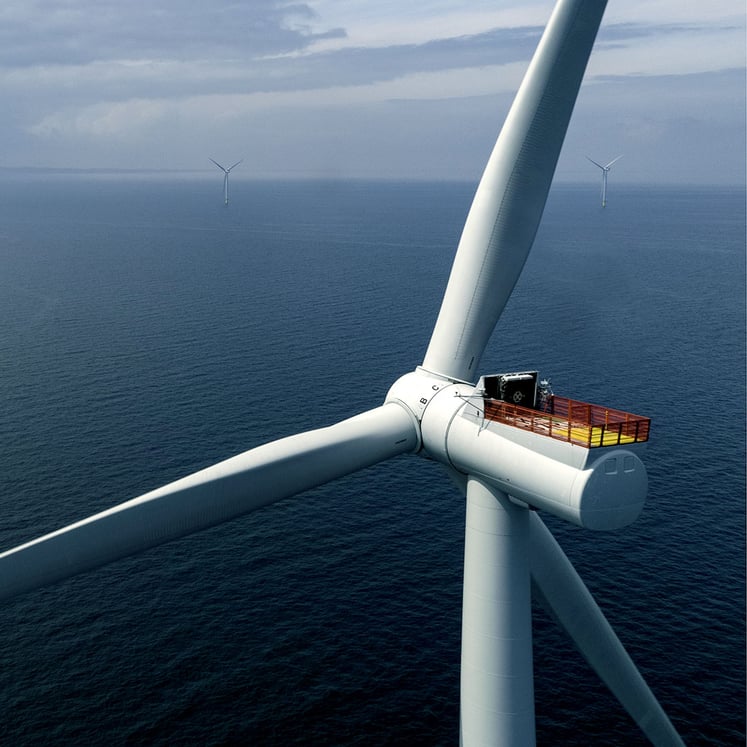
Transform to a more circular business
Circularity is essential to securing future resource needs, reducing costs, and achieving our sustainability targets.
See also
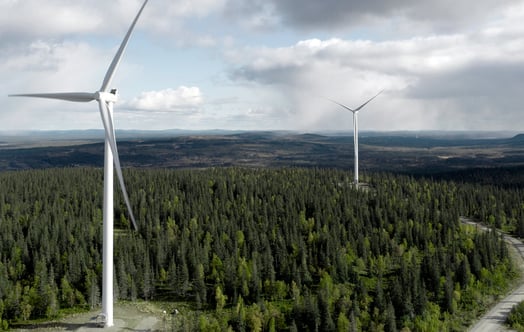
Circular targets in our wind business
Vattenfall adopted circular targets on wind turbine blades and permanent magnets.
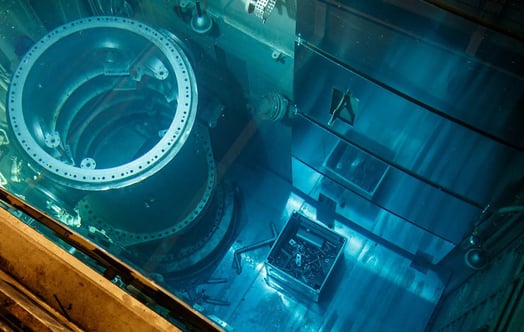
96% of materials recycled from the R2 reactor
Vattenfall achieved high recycling rates during the dismantling of the R2 nuclear research reactor.
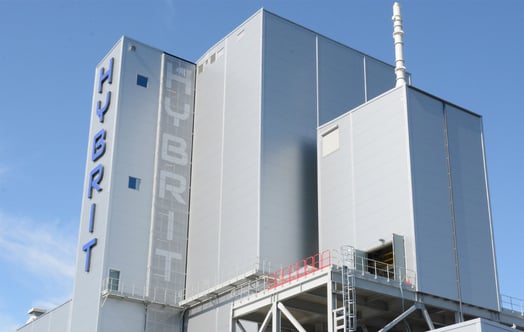
Vattenfall and SSAB in new fossil-free steel collaboration
Vattenfall and SSAB have signed a letter of intent regarding deliveries of fossil-free steel produced with HYBRIT technology.