
96% of materials recycled from the R2 reactor
Vattenfall achieved high recycling rates during the dismantling of the R2 nuclear research reactor.
During AB Svafo’s work on the decommissioning and dismantling of the nuclear research reactor R2, approximately 9,000 tonnes of waste were generated. The waste consisted mainly of concrete and metal.
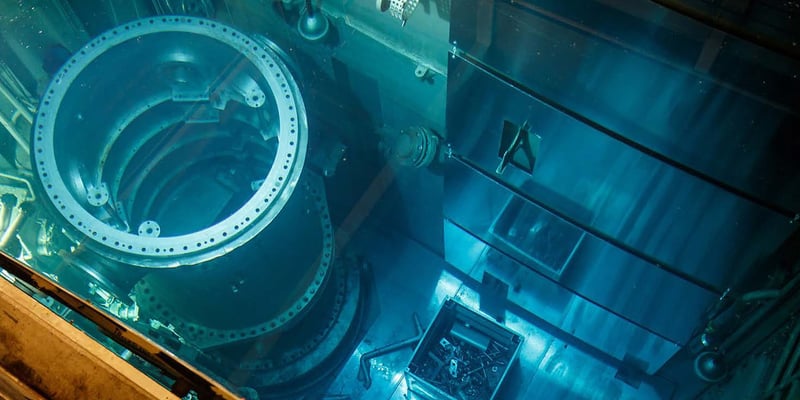
Through careful planning of working methods, sorting materials at source, and well-developed methods for radiological clearance, 86 % of the material was recycled. Less than 1 % of the waste was sent to landfill, while the remaining 13 % was packaged for interim storage before it could be sent to SKB’s final repositories for nuclear waste.
The subsequent conventional demolition of the building generated nearly 39,000 tonnes of waste, primarily concrete, soil and stone. By establishing site-specific reference values for contaminants in the material, concrete and soil could be reused for backfilling the deep cavities created during the demolition of the reactor building. Metal was recycled thanks to skilful sorting.
This led to a recycling rate of as much as 98% of the material from the conventional demolition. Additional material was required for backfilling, but Svafo was given the opportunity to acquire surplus material from a construction project carried out by Cyclife Sweden AB. This saved money and reduced the environmental impact of transportation.
This means that an astonishing 96% of the total volume could be recycled.
AB Svafo is a non-profit-making company within the Vattenfall Group, with the purpose of decommissioning nuclear facilities from previous research and development activities in Sweden. The intermediate storage and management of Swedish legacy waste, until its final disposal, are included in this task.
More about circularity
The transition to a circular economy is an opportunity, and renewable energy is an important piece of the puzzle in driving the circular economy forward.
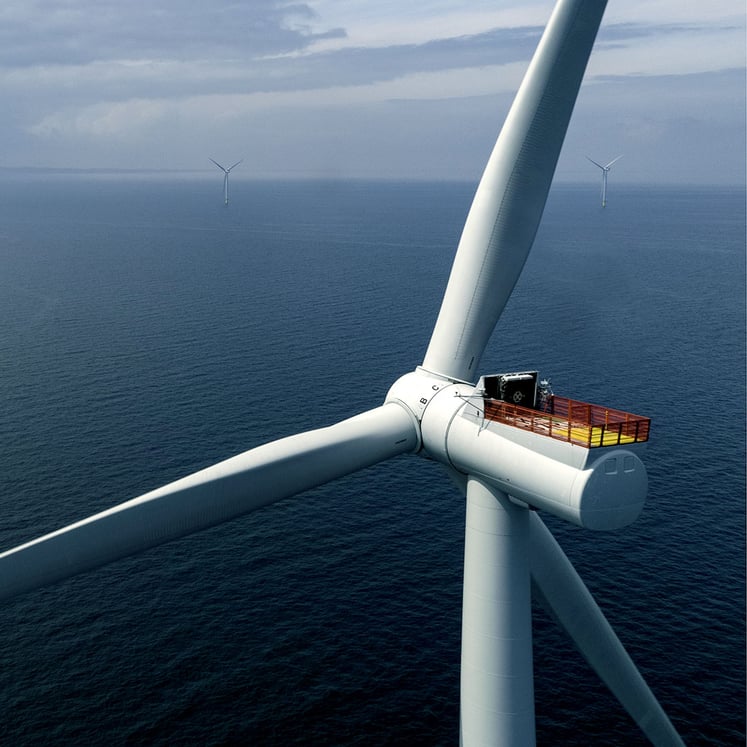
Transform to a more circular business
Circularity is essential to securing future resource needs, reducing costs, and achieving our sustainability targets.
See also
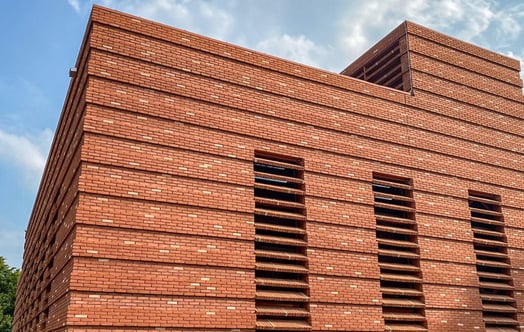
Circular design in heat transfer station
The Hakfort heat transfer station is part of the district heating network in Amsterdam. It has been designed to be as circular as possible.
Creating demand for near-zero cement
Vattenfall and Cemvision have partnered to develop and supply near-zero emission cement, potentially reducing CO2 emissions by 95% compared to traditional cement by 2030.
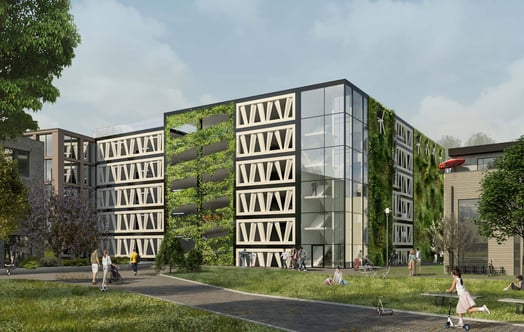
From blades to buildings
Turbine blades from a decommissioned wind farm have become a very visible part of the façade of an eco-friendly multistorey car park.