
Impact of offshore wind farm decommissioning on marine biodiversity
As offshore wind farms enter later stages of their lifecycle, strengthening the evidence base is needed to enable robust, science-based and cost-effective decommissioning strategies.
Short facts
- Denmark
- Biodiversity in general
- Analyse the impact of decommissioning offshore wind farms on marine biodiversity
- 2022–ongoing
To support this, Vattenfall has initiated a series of projects focused on generating empirical impact data and developing decision-support tools that integrate environmental evidence to inform decommissioning.
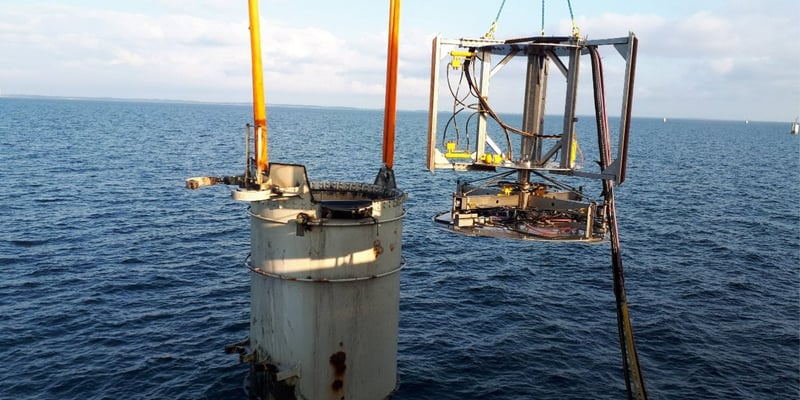
We are advancing several R&D initiatives that address some key knowledge needs with more studies underway.
Biodiversity and decommissioning: To further strengthen the scientific foundation for decommissioning strategies, Technical University of Denmark and Vattenfall have conducted a PhD research project examining how different decommissioning scenarios influence marine biodiversity.
The research developed a modelling framework that integrates ecological effects into life cycle assessments, supporting transparent evaluation of structural end-of-life options. It also included a national survey exploring public perspectives on alternative approaches, assessing how information on reef effects biodiversity, and climate considerations shapes societal support.
Biodiversity and non-native species: Aarhus University’s biological monitoring during the removal of the Stor Middelgrund metocean mast has documented the establishment of a diverse native marine community over 16 years of operation, alongside a limited number of non-native species that are already widespread in Danish waters.
These findings provide valuable empirical insight into ecological communities associated with the artificial reef formed by offshore wind infrastructure. Read more here.
Underwater noise during decommissioning activities: Field measurements collected during mast removal operations showed that dredging and jack-up vessel activity generated higher noise levels than cutting operations. Analysis indicated a low risk of auditory injury to harbour porpoises, with any behavioural responses expected to be localised and short-term.
These measurements provide an important baseline for future planning and mitigation of decommissioning-related noise impacts.
More about biodiversity
Biodiversity and nature protection are a priority at Vattenfall. It is one of the focus areas in our environmental policy and therefore also a central part in our environmental work.
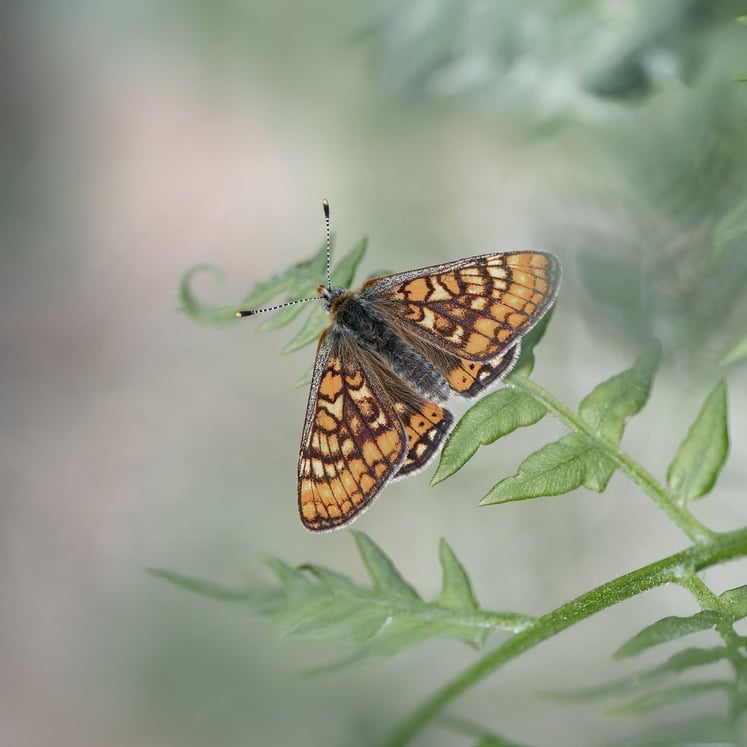
How we make a difference for nature
Biodiversity is an important and integrated part of our work. Here, we show concrete examples of how we care for nature through our projects.
See also
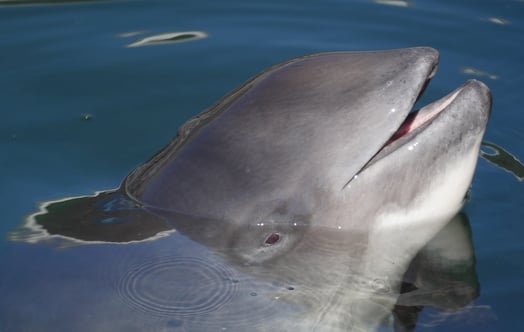
Exploring potential electro-magnetic disturbance in wild porpoises
There is a critical knowledge gap concerning the potential impact of electromagnetic fields (EMF) on marine mammals.
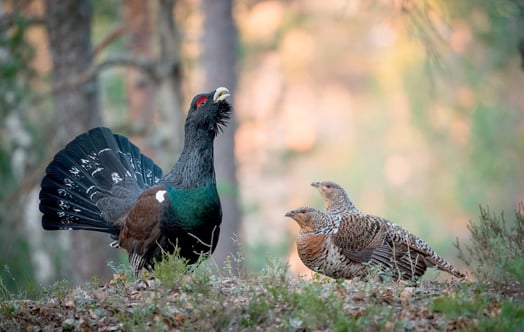
Coexisting with capercaillie: innovative forestry methods at Bruzaholm wind farm
At the Bruzaholm wind farm in Sweden, a new approach for balancing wind power and capercaillie conservation was developed.
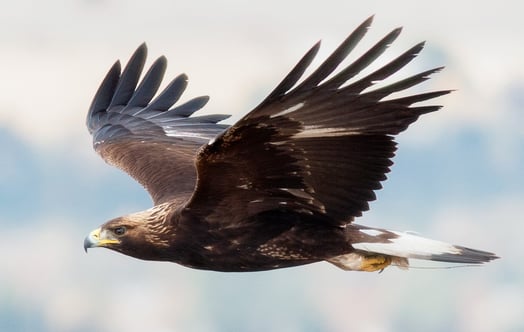
Enhancing bird safety: increasing turbine visibility to reduce collision risk
Increasing turbine visibility to birds is one strategy to reduce collision risks.