
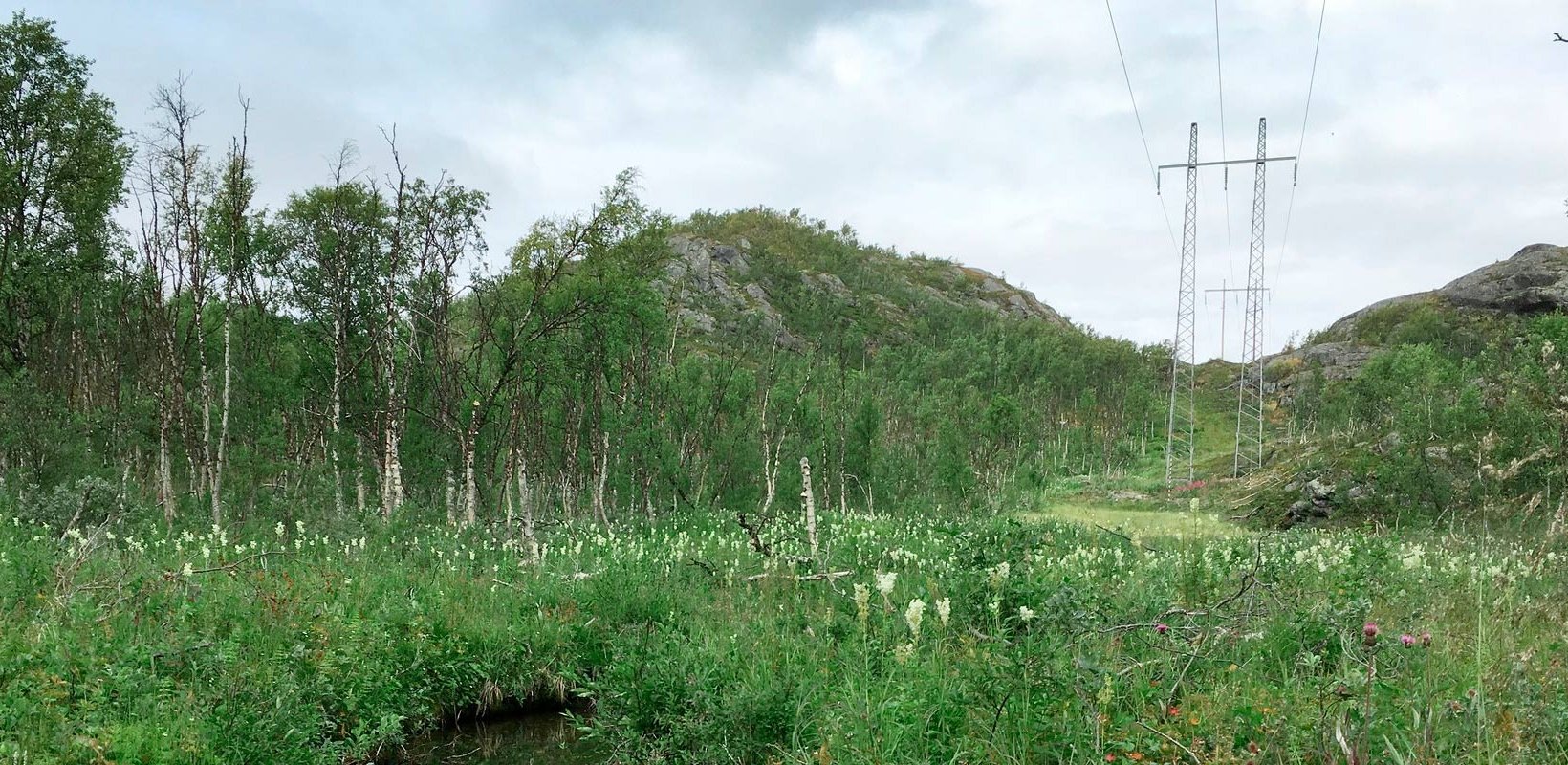
Vattenfall sets new benchmark in biodiversity and nature protection
With the launch of its Biodiversity Transition Plan 2030, Vattenfall continues to embed biodiversity across its operations – supporting global goals to halt and reverse nature loss.
Vattenfall today published its Biodiversity Transition Plan 2030, marking the official launch of the company’s comprehensive strategy to address nature loss across its value chain. The plan builds on Vattenfall’s long-standing work to reduce environmental impacts and represents a milestone in the company’s ambition to build a future where everyone can choose fossil-free ways to move, make and live.
The plan outlines Vattenfall's contributions to the goals of the Kunming-Montreal Global Biodiversity Framework, with a clear focus on minimizing impact, working on restoration, and developing nature-based solutions. The plan also describes specific biodiversity investments in research and development, including Vattenfall's research program in wind power (BioWins) with an annual budget of 300,000 euros, as well as a five-year program with a budget of approximately 6 million euros for innovations in the field of hydropower.
“The energy transition must go hand in hand with the protection of nature,” says Helle Herk-Hansen, Head of Environment at Vattenfall. “With the Biodiversity Transition Plan 2030, we take a clear stance: we want to be part of the solution – not only by reducing emissions but also by restoring ecosystems, protecting habitats, and fostering innovation that supports both climate and biodiversity goals.”
Vattenfall is among the first European energy companies to publish a standalone biodiversity transition plan, developed as a response to the EU's new directive for corporate sustainability reporting (CSRD). With this plan Vattenfall aims to create a broader impacts through partnership and collaboration. While biodiversity has long been part of Vattenfall’s environmental work, this plan takes a broader and more transparent approach.
Key elements include a three-level framework for addressing impacts, targets for habitat enhancement and increased focus on managing supply chain risks. The plan also highlights opportunities connected to strengthening the work with nature-based solutions and nature-inclusive design, as well as the importance of integrating biodiversity into governance and community engagement.
More about biodiversity and the Biodiversity Transition Plan 2030
For further information, please contact:
Vattenfall Media Relations, +46 (0)8 739 50 10, press@vattenfall.com
See also
From theory to practice – how circularity could permeate companies’ value chains
Most companies recognise the importance of circularity, but turning ambition into action remains a challenge. What does it take to move from ambition to action – and make circularity part of...
Why electrification cannot wait
When fossil-fuel prices rise, households and businesses feel the impact. Switching to fossil-free electricity can reduce that exposure. Europe worked hard to increase fossil-free electricity...
Vattenfall Business Area Wind maintains leader status in IRBC assessment
Vattenfall’s Business Area Wind has once again been recognised as a Leader in the IRBC assessment, reflecting continued progress in responsible and sustainable business practices.