
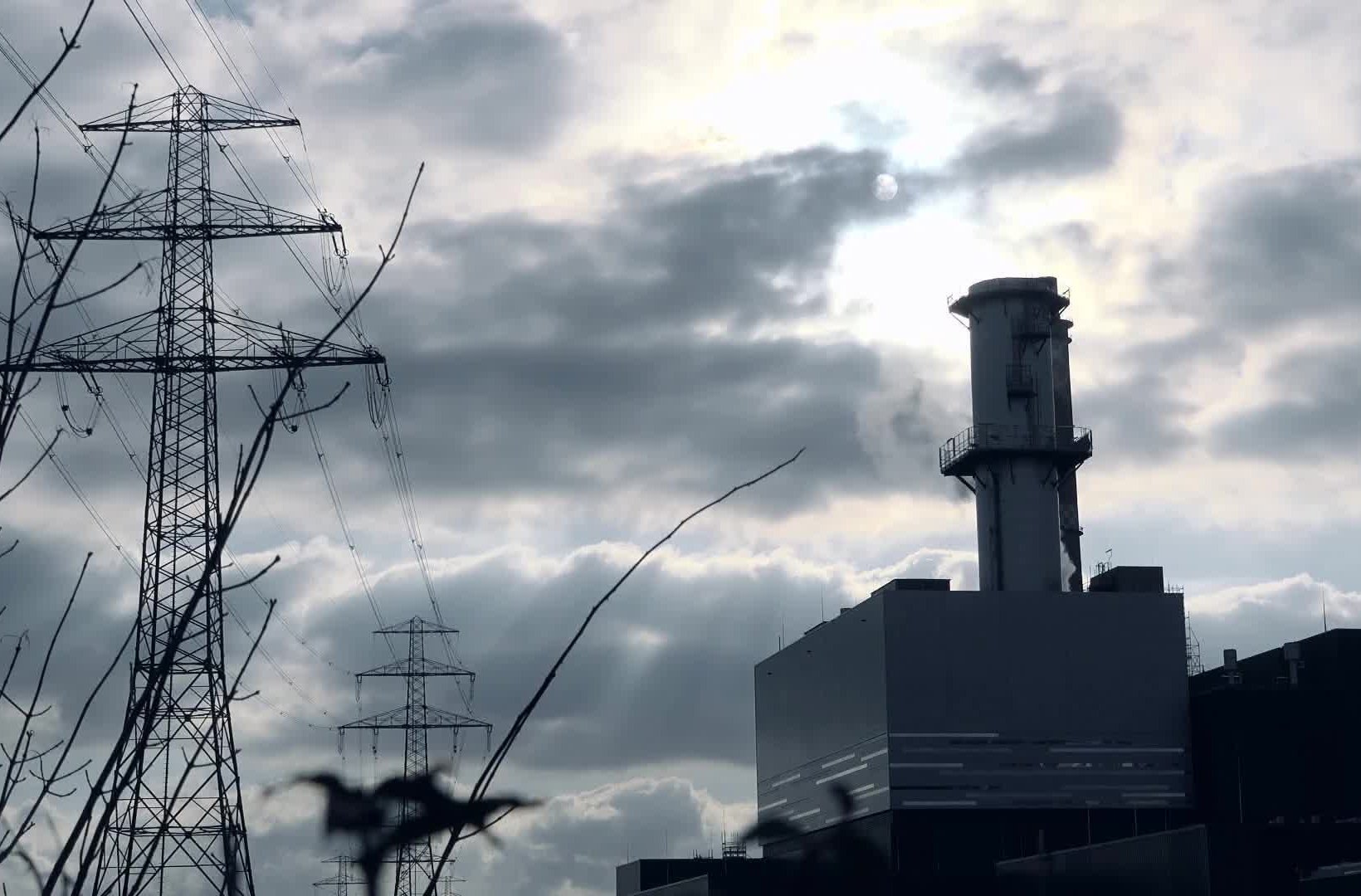
In 2019, Vattenfall decreased its carbon emissions by 4 million tonnes. Tuomo Hatakka, Head of Vattenfall's Heat operations, describes the roadmap to become carbon free.
Video player requires marketing cookies.
To view this content please click here to allow marketing cookies.
See Tuomo Hatakka explain some of the details in Vattenfall’s CO2 roadmap and hear Annika Ramsköld, head of Sustainability, describe the significance of a Science Based Targets in this video (6.30)
Vattenfall's goal is to enable fossil-free living within one generation. One major step was taken last year when Vattenfall closed two coal-fired power plants, Hemweg 8 in Amsterdam and Reuter C in Berlin. This contributed to reducing the CO2 emissions, to 18 million tonnes in 2019 compared to 22 million tonnes the year before. The decrease corresponds to 18 percent.
Vattenfall's plan for reducing greenhouse gas emissions was approved last year by the Science Based Targets Initiative, an external validation that the plan is in line with climate science and the Paris agreement.
Vattenfall’s targets are ambitious. In Berlin, Vattenfall will phase out coal by 2030. In Sweden, the operations will be fossil free by 2021.

Tuomo Hatakka, Head of Business Area Heat.”It’s very exciting, it’s challenging, and it requires significant investments, says Tuomo Hatakka, Head of Business Area Heat. “At the same time we need to safeguard security of supply, remain price competitive and of course we need to earn money in order to finance all these investments.”
Read more about how we make it happen
Electrification, innovation and hydrogen gas reduce industry dependence on fossil fuels
See also
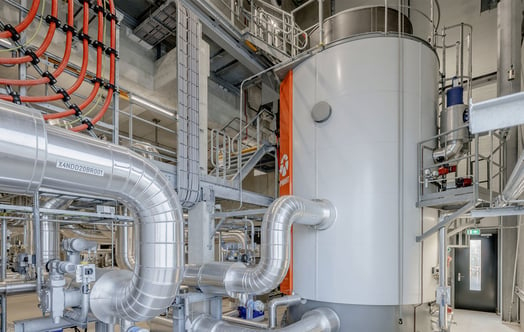
Giant water heater makes district heating more flexible
In Diemen, the Netherlands, Vattenfall converts renewable electricity into heat for thousands of households.
Going underground – Netherlands geothermal heat transition
Geothermal heat and energy is a somewhat untapped source in many parts of the world. For the Netherlands drilling for, and using, heat from the earths subsurface could both relieve the grid ...
Heatwaves boost interest in heat pumps across Europe
Heat pumps are best known as an energy-efficient way to heat homes. But as heatwaves become more frequent, many homeowners are discovering that the technology can also help keep homes cool.