
Vattenfall launches floating islands
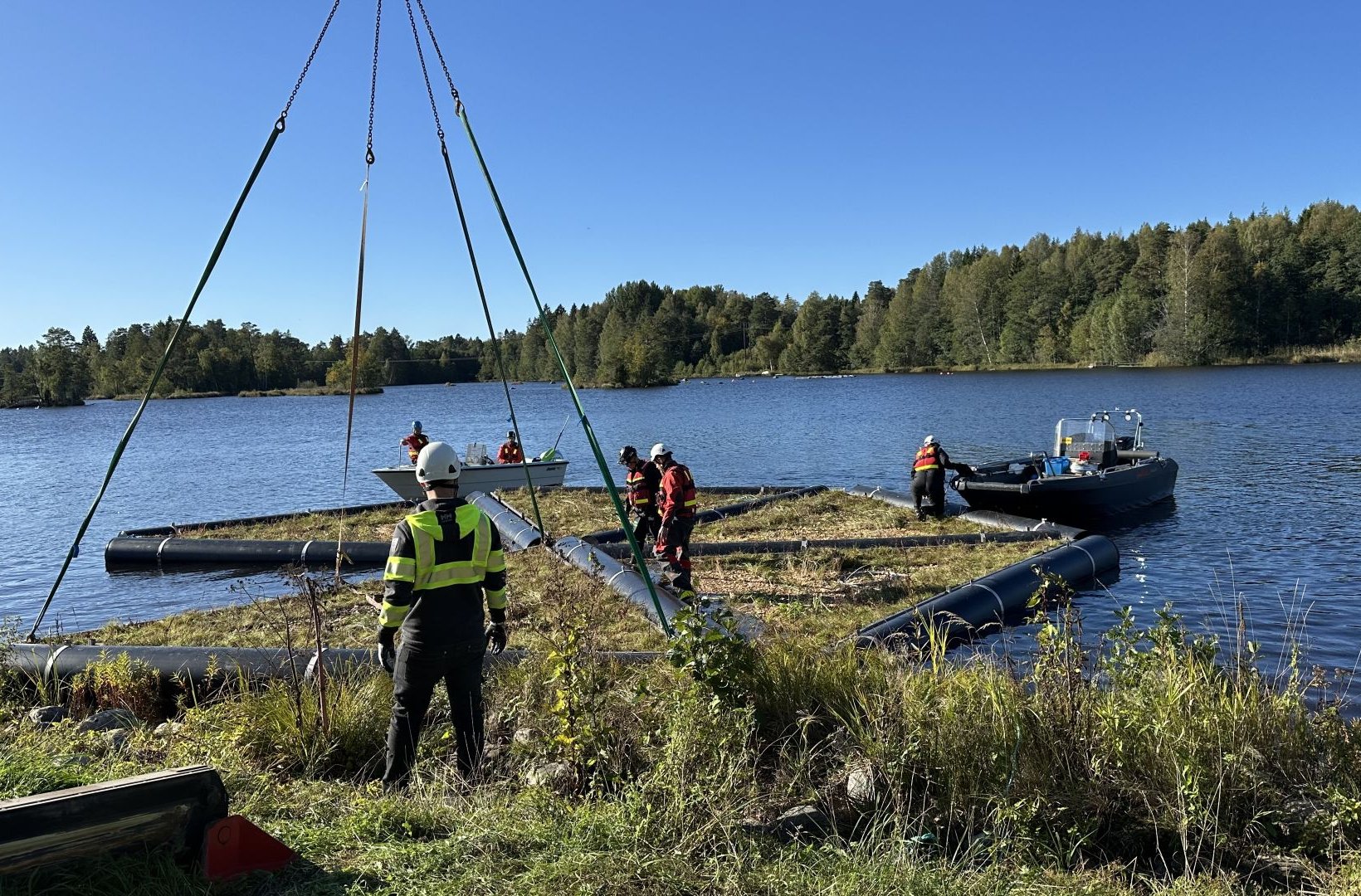
Vattenfall is launching six floating islands in the Dalälven River downstream of the Älvkarleby hydropower station to favour breeding birds and fish, among other things. The project is part of Vattenfall's hydropower biodiversity programme.
Hydropower plays a significant role in Sweden's electricity supply and transition to a fossil-free society. However, hydropower has an impact on biodiversity and ecosystem functions in regulated rivers. For this reason, Vattenfall is developing and testing various solutions that can favour biodiversity where the right conditions exist.
“In rivers with hydropower dams, water levels can change rapidly and dramatically. The idea of floating islands is that they follow the variation of the water surface and provide a stable surface for flora and fauna to establish themselves on. The islands act as nesting platforms for birds above the surface, and create a favourable environment for plankton, fish and algae in shallow areas," says Henrik Viklands, Head of Vattenfall Hydropower's Biodiversity Programme.
The artificial floating islands are about 15 square metres in size, and the six islands are connected to form a hexagonal island with a total surface area of about 90 square metres. They are designed and built by Vattenfall's R&D laboratory in Älvkarleby with plants typical of the beach and water environment in the area.
“The project is very promising and can contribute to the efforts to fulfil global sustainability goals and to achieve our vision of implementing the biodiversity plan by 2030,” says Choudhury Maidul, biologist at Vattenfall Research and Development.
Facts
- Artificial water level fluctuations in dams or lakes regulated for power generation cause erosion and desiccation of benthic and near-shore shallow water habitats. This leads to the loss of these habitats.
- Innovative measures to increase biodiversity in these water systems without compromising hydropower production are an important potential action. The installation of artificial floating structures such as floating islands can be one such biodiversity measure.
- Islands of this size are being tested for the first time in Sweden. There is therefore an existing knowledge gap on how to design, construct and implement environmentally friendly and cost-effective variants of floating islands suitable for such regulated waters and their effectiveness in supporting biodiversity.
- Most large hydropower dams in Sweden are located in the northern part of the country where environmental factors such as low temperatures, ice cover, long winters and short growing season can pose challenges for the establishment of floating islands.
See also
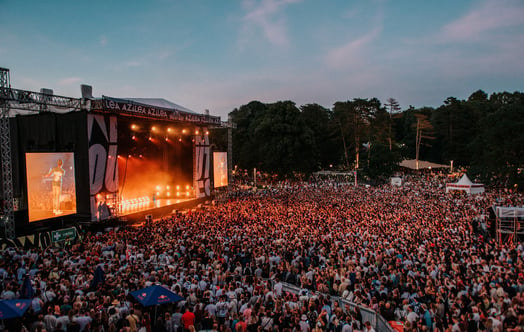
Vattenfall batteries secure fossil-free electricity for Way Out West festival
The Way Out West festival in Gothenburg is one of the biggest in Northern Europe. This year the music festival it is powered by fossil-free electricity and battery storages from Vattenfall.
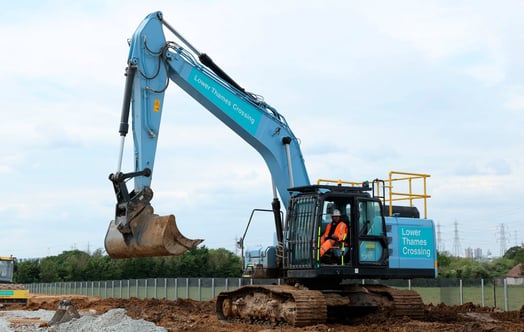
Huge road and tunnel project in the UK aims to reshape construction for the future
Construction is one of the hardest sectors to decarbonise. But in the UK, a major infrastructure project aims to reach carbon neutral by using electric machinery and low‑emission materials.
What can the energy transition mean for European competitiveness?
European industries are still dependent on imported fossil fuels, which can increase energy prices – and create a situation where the continent will always be third best after USA and China....