
Circular targets in our wind business
Vattenfall adopted circular targets on wind turbine blades and permanent magnets.
Vattenfall is committed to expanding its renewable energy portfolio to achieve its Net Zero target by 2040. Circularity is a key enabler to reduce environmental impacts from building new assets.
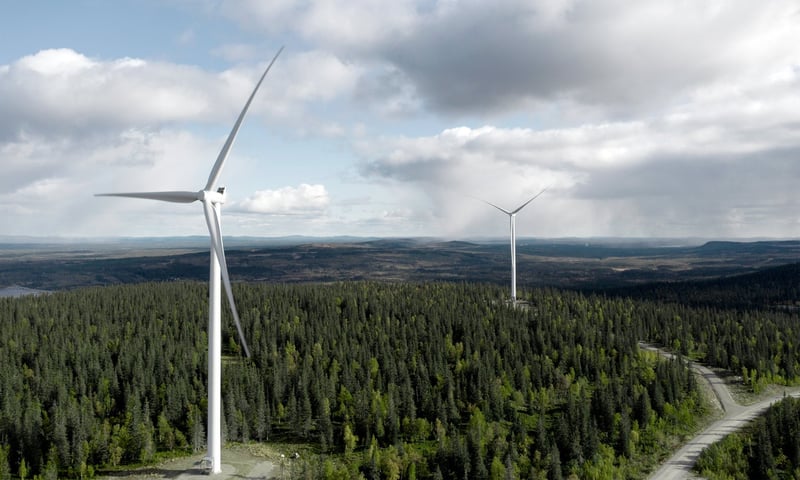
By reducing the use of raw materials, circularity results in less mining and processing of raw materials leading to energy savings and lower impact on biodiversity in our supply chain.
Today, 85 - 90% of the total mass of a wind turbine can already be recycled. However, recycling solutions for turbine blades and permanent magnets are still under development, presenting opportunities for further innovation in circular practices.
In 2021, Vattenfall committed to a landfill ban on decommissioned wind turbine blades from owned windfarms, a 50% circular outflow of wind turbine blades by 2025 and 100% circular outflow by 2030. In 2024, these targets have been extended to all composite materials from wind turbines including nacelle canopies and nose cones.
Vattenfall reached the 2025 target and now aims to reach the 2030 target. Circular outflow means that blades are reused, refurbished, repurposed, or recycled.
In 2024, Vattenfall committed to achieving a 100% circular outflow of permanent magnets from our decommissioned wind farms, from 2030 onwards. Vattenfall is dedicated to developing circular solutions to reuse, refurbish, repurpose, or recycle permanent magnets.
More about circularity
The transition to a circular economy is an opportunity, and renewable energy is an important piece of the puzzle in driving the circular economy forward.
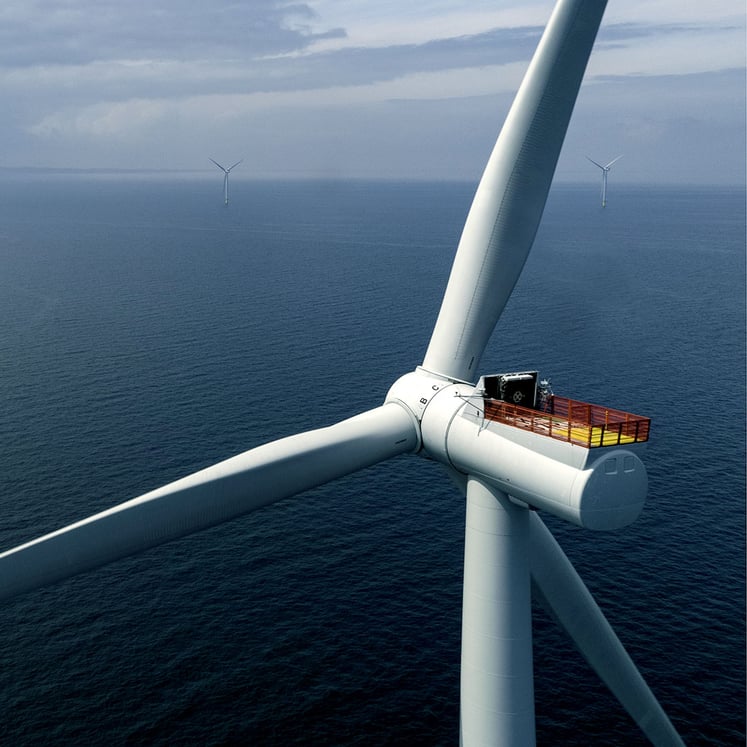
Transform to a more circular business
Circularity is essential to securing future resource needs, reducing costs, and achieving our sustainability targets.
See also
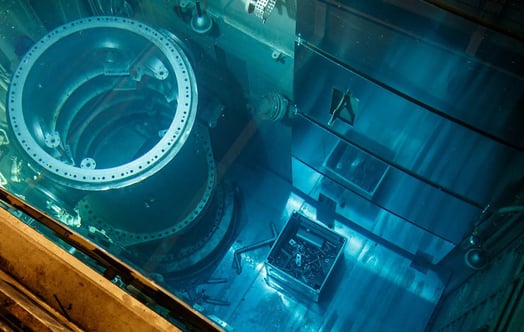
96% of materials recycled from the R2 reactor
Vattenfall achieved high recycling rates during the dismantling of the R2 nuclear research reactor.

Circular IT and reuse of equipment
Vattenfall has a long-term partnership with IT recycling companies Inrego and AFB to optimise reuse and recycling of IT equipment.
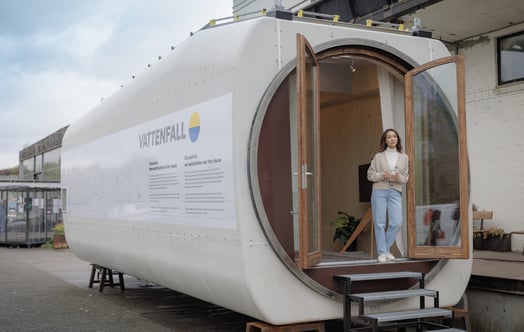
Wind turbine turned into compact living
A wind turbine nacelle was turned into a tiny house, showcasing innovative reuse of materials during the Dutch Design Week 2024.