
Restoration of Juktån
In the early 20th century, the river Juktån served as a timber transport route, leading to significant disruption of the aquatic environment.
Short facts
- Juktån river, Sweden
- Trout and grayling
- Restore spawning areas
- 2016–2026
The clearing of waterways for timber floating and the construction of piers damaged spawning and nursery areas for stream-dwelling fish. In the late 1960s, the Juktån power station was completed, which diverted most of the river’s flow and further impacted the aquatic ecosystems.
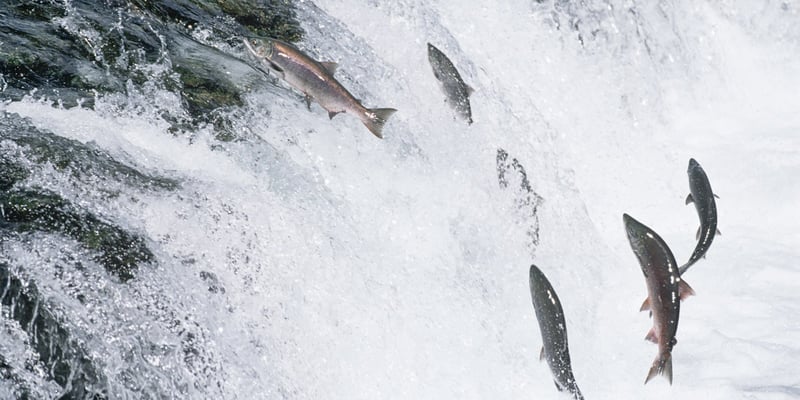
In 2016, Vattenfall, University of Umeå, Samverkan Umeälven, and other power companies initiated a project to restore Juktån. The project aimed to adjust the minimum flow to a more natural distribution, mimicking spring floods and lower winter flows. The aim was also to restore and create new spawning areas for trout and grayling, increase stream habitat areas, and enhance Juktån’s appeal as a fishing and recreational site.
The restoration was completed in autumn 2020, and the ecological effects are monitored and evaluated until 2026. So far, the results are promising, with a slight increase in trout abundance and a rise in aquatic plant species typical of stream habitats.
More about biodiversity
Biodiversity and nature protection are a priority at Vattenfall. It is one of the focus areas in our environmental policy and therefore also a central part in our environmental work.
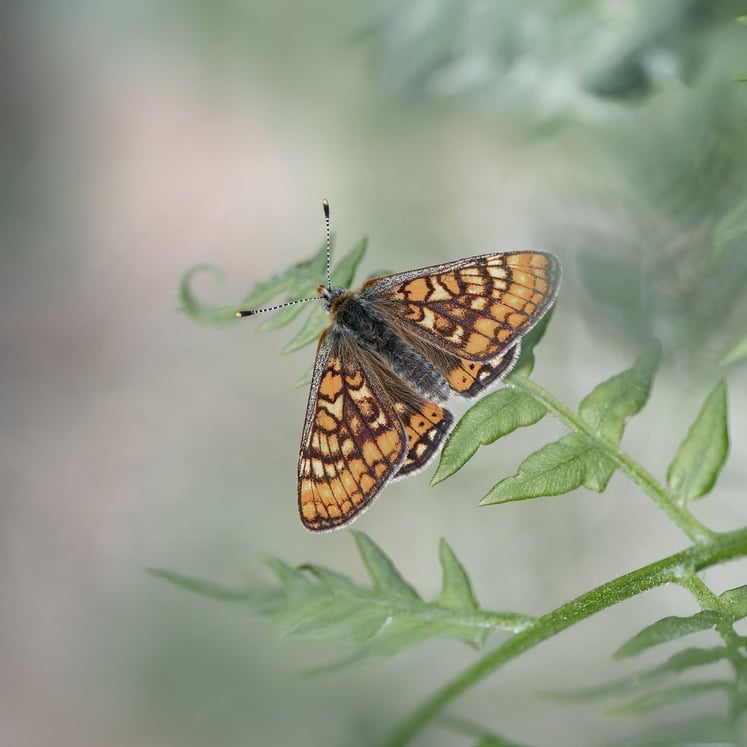
How we make a difference for nature
Biodiversity is an important and integrated part of our work. Here, we show concrete examples of how we care for nature through our projects.
See also
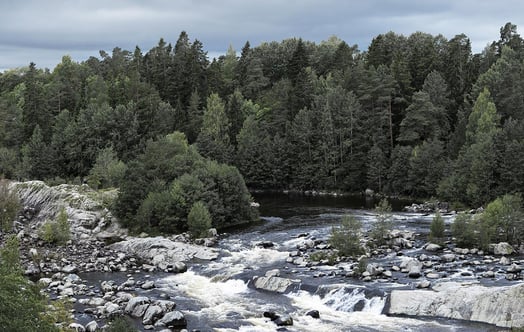
Voluntary protected areas around hydro plants
The properties around Vattenfall’s hydropower plants hold high biodiversity values.
Laxeleratorn: exploring innovative solutions for safe fish passage
Over the next 20 years, all Swedish hydropower production will be environmentally tested.
Mapping bat movements offshore: The Kattegat West Baltic Bats Project
Tracking bats across the sea between Denmark, Sweden, and Germany is key to assessing offshore wind farm impacts.