
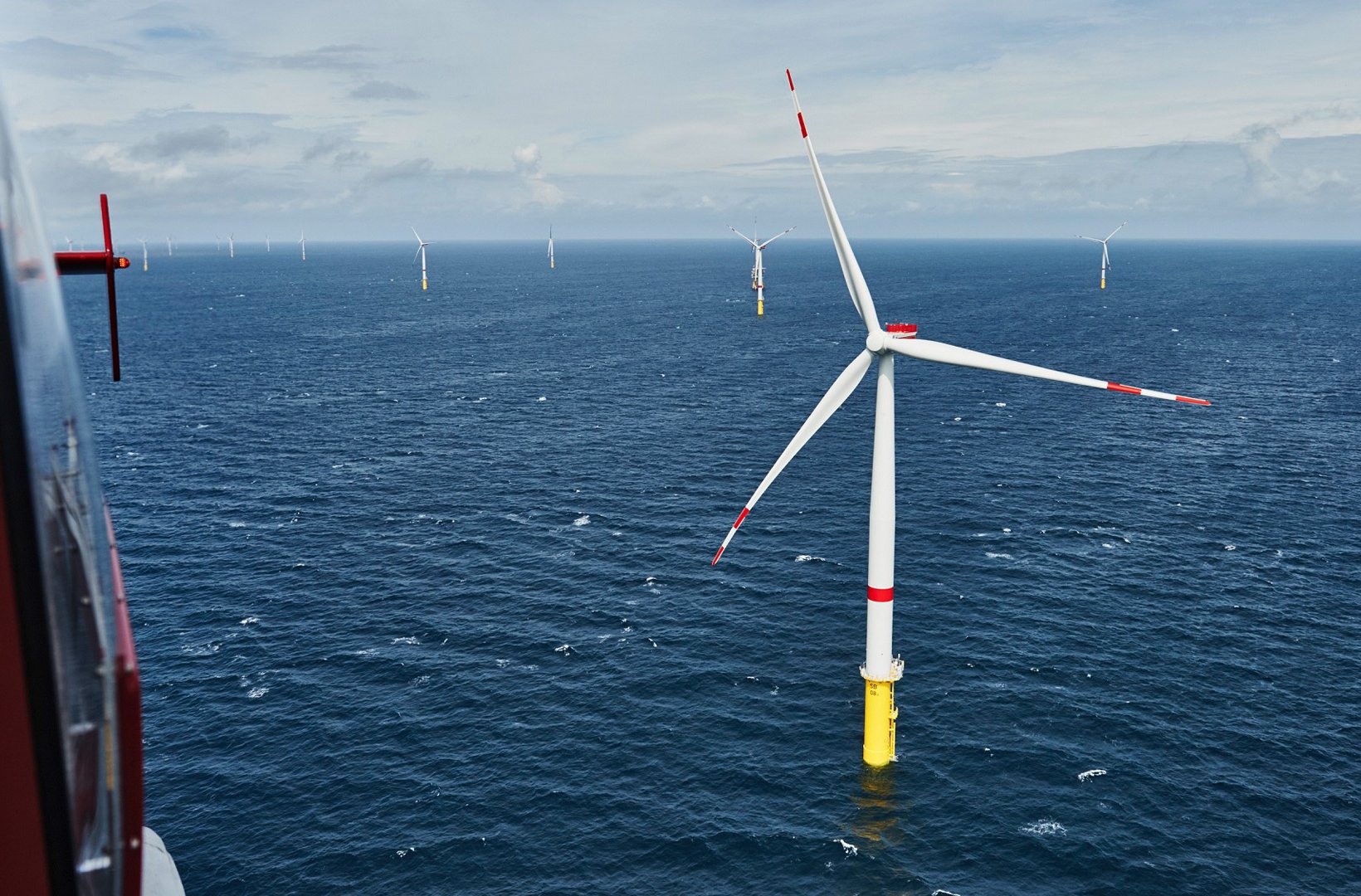
Vattenfall, Fortum and Statkraft call for carbon neutrality of the European economy before 2050
With a rapidly growing CO2-free power supply, we – Vattenfall, Fortum and Statkraft - are fully committed to lead the further decarbonisation of the European energy system. We believe that ambitious emissions reductions and economic growth can be combined.
The EU must update its long-term climate targets in alignment with the Paris Agreement and the IPCC conclusion, tighten its 2030 climate target and aim for a carbon neutral economy before 2050.
In a joint Nordic initiative, the three CEOs from Vattenfall, Fortum and Statkraft, met with EU Energy Commissioner Miguel Arias Cañete today to express their commitments to further decarbonise the European economy and their view on how this can be achieved.
The CEOs emphasise the importance of electrification as a key enabler for decarbonising other sectors. Setting equally ambitious targets for non-ETS sectors and increasing the electrification rate are crucial early actions.
“We believe that ambitious long-term climate targets can be reached in an affordable manner by using market instruments and sector coupling,” the CEO’s stated in a declaration adding that hydropower will be key in meeting climate targets and integrating intermittent generation from new fossil free energy sources.
The three CEOs; Magnus Hall of Vattenfall, Pekka Lundmark of Fortum and Christian Rynning-Tønnesen of Statkraft, all represent large producers of energy in Europe, with a total combined annual production of approximately 230 TWh in 2017, of which 196 TWh was fossil free. The Nordic power market is the third largest power market in Europe.
For further information, please contact:
Vattenfall’s Press Office, telephone: +46 (0)8 739 50 10, email: press@vattenfall.com
See also
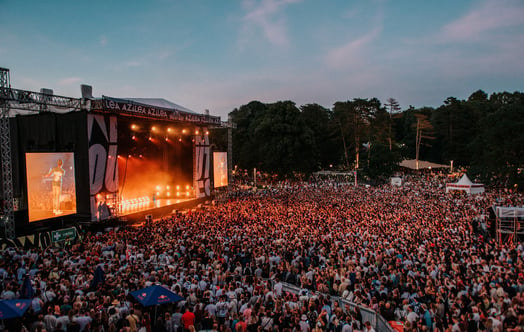
Vattenfall batteries secure fossil-free electricity for Way Out West festival
The Way Out West festival in Gothenburg is one of the biggest in Northern Europe. This year the music festival it is powered by fossil-free electricity and battery storages from Vattenfall.
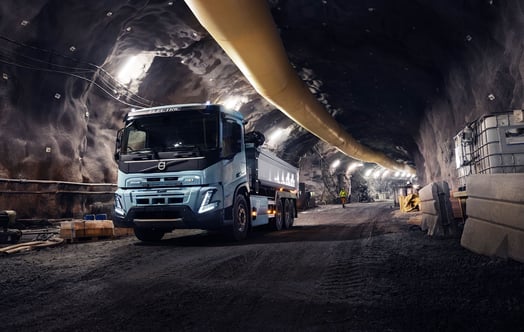
What can the energy transition mean for European competitiveness?
European industries are still dependent on imported fossil fuels, which can increase energy prices – and create a situation where the continent will always be third best after USA and China....
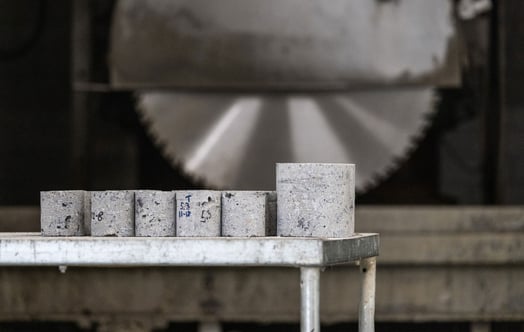
Rethinking cement: cutting emissions at the source
Cement is one of the world’s most widely used construction materials – but also one of the largest sources of emissions. That insight marked the starting point for Swedish company Cemvision,...