
Cemvision: Near-zero carbon emission cement
Conventional cement production is a greenhouse gas-intensive industrial process, largely because limestone calcination releases CO2, and high-temperature kilns often rely on fossil fuels. To help reduce greenhouse gas emissions associated with energy infrastructure construction, Vattenfall is working with suppliers on lower-emission production methods.
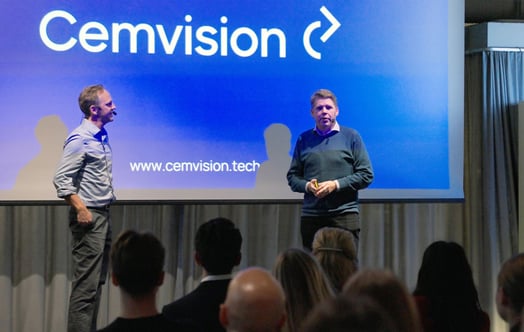
One example is Vattenfall’s collaboration with Cemvision, which is developing cement intended to have substantially lower production-related CO2 emissions than conventional cement used as its comparator.
Reducing emissions at the source
Cemvision’s proposed production process uses selected recycled industrial by-products in place of virgin limestone and electricity from fossil-free sources for specified production stages. According to Cemvision’s current assessment, the production process has the potential to reduce CO2 emissions by up to 95% compared with the specific conventional cement baseline used in that assessment. The estimate is subject to further development and validation. The comparison should be presented together with information on the assessed product, functional unit, system boundary, electricity and transport assumptions, reference cement, assessment date and verification status.
This process-based approach is intended to reduce emissions associated with raw material processing and energy use in production, rather than relying on measures that compensate for emissions after they occur. If validated and produced at commercial scale, the cement could reduce production-related greenhouse gas emissions in specified concrete applications compared with concrete made using the reference cement. The level of reduction would depend on factors such as cement content, concrete mix, performance requirements, transport, and the assessment boundary.
From development and testing toward potential value chain adoption
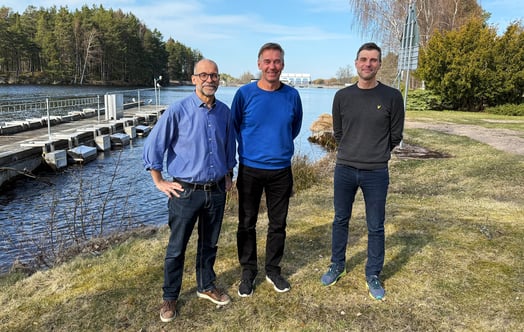
The collaboration between Vattenfall and Cemvision combines product development and testing with preparations for potential commercial use under a long-term commercial agreement. This includes material qualification and performance testing in Vattenfall’s concrete laboratory in Älvkarleby to assess whether the cement meets the technical and durability requirements for specified infrastructure applications.
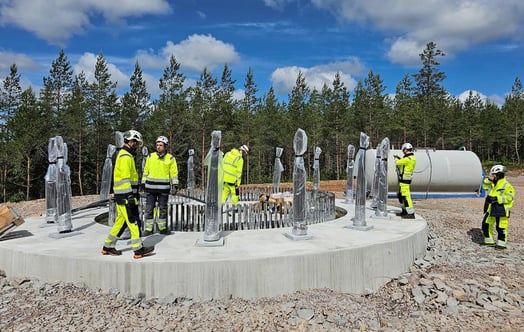
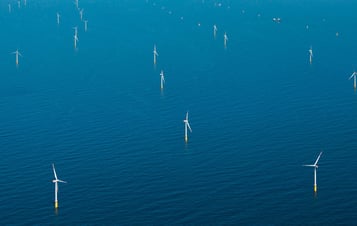
Under the commercial agreement, Vattenfall and Cemvision are preparing for the potential use of Cemvision cement in selected wind power projects, with first supply currently planned for 2028. The goal is to assess whether cement with lower production-related emissions can be supplied at the required scale and meet technical requirements for specified infrastructure applications.
Subject to successful testing and commercial availability, Vattenfall intends to engage suppliers that procure cement and concrete on its behalf. This could support reductions in cement-related supply chain emissions compared with the relevant conventional materials.
Supporting lower-emission construction
Vattenfall is a member of the First Movers Coalition (FMC) and has committed to ensuring that at least 10% of its cement and concrete purchases meet the coalition's applicable near-zero emission criteria by 2030. The collaboration with Cemvision supports this commitment through product testing and preparations for potential commercial use of cement intended to meet the relevant emissions performance requirements.
By combining Cemvision’s cement production technology with Vattenfall’s testing capabilities and infrastructure development experience, the collaboration is intended to support reductions in cement-related greenhouse gas emissions in selected energy infrastructure projects.
News and press releases
Related content
We are collaborating with Preem to produce fossil-free hydrogen for biofuel production.
St1 and Vattenfall assess opportunities for synthetic electrofuels.

Large-scale production of electrofuel is an opportunity for the aviation sector.