St1 and Vattenfall assess opportunities for synthetic electrofuels
Vattenfall and St1 have conducted a feasibility study examining the potential production of synthetic aviation fuel, (eSAF), and the conditions required across the associated value chain.
The findings from the feasibility study have led Vattenfall and St1 to conclude that the eSAF market is likely to develop later than previously anticipated. The companies continue to monitor the market developments and assess potential opportunities.
Industry and transport account for a significant share of Sweden’s greenhouse gas emissions. Vattenfall works with industrial partners on direct electrification and indirect electrification using hydrogen produced with electricity from fossil-free sources. Industrial clusters on Sweden’s west coast may offer opportunities to reduce emissions from refining and petrochemical processes through electrification and hydrogen.
Related content
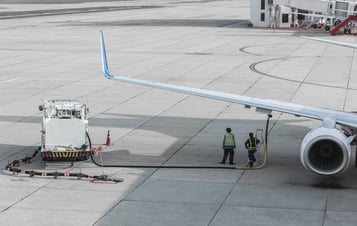
Large-scale production of electrofuel is an opportunity for the aviation sector.

We are developing solutions to decarbonise industry through fossil-free hydrogen.

Together with partners LKAB and SSAB we are working towards fossil-free steelmaking.