
Exploring the long-term potential of electrofuels for aviation
Vattenfall is exploring the potential of synthetic electrofuels, or eSAF, as part of broader efforts to reduce greenhouse gas emissions in hard-to-electrify sectors such as aviation and refining. In the future, eSAF could reduce life-cycle greenhouse gas emissions compared with conventional fossil-based aviation fuel, depending on factors such as the electricity source, carbon source, production efficiency and assessment methodology.
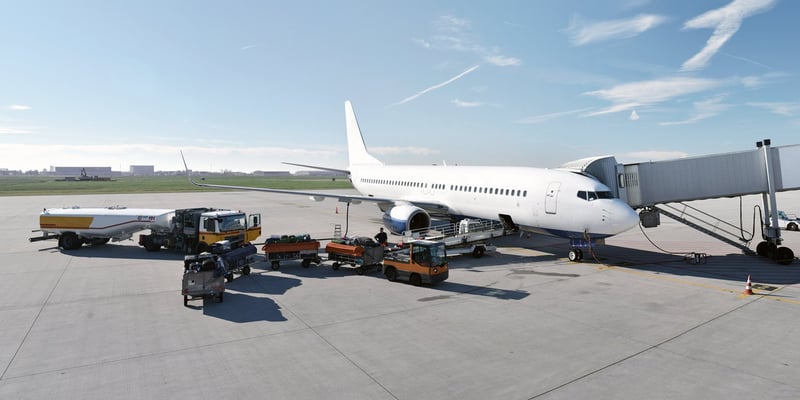
Feasibility studies and partnerships
Vattenfall has worked with several industry partners to assess the technical and commercial conditions for potential eSAF production:
- The HySkies initiative, developed with Shell, investigated conditions for potential large-scale eSAF production in the Forsmark region. In 2024, the project was paused after both companies concluded that the market was likely to develop later than initially anticipated. The associated Heat CCU project in Uppsala was also paused.
- The joint feasibility study with St1 explored potential electrofuel production and relevant value-chain conditions, including opportunities associated with industrial clusters on Sweden’s west coast.
Insights and future outlook
The feasibility studies identified several conditions that would affect potential commercial-scale eSAF production. Key factors include:
- Cost reductions in hydrogen and electrofuel production.
- Stable regulatory frameworks.
- Long-term demand signals from the aviation sector.
Based on the market outlook reflected in these studies, wider commercial deployment of eSAF is not expected before the 2030s. Vattenfall continues to build knowledge and partnerships to better understand how electricity and hydrogen from fossil-free sources could contribute to emissions reductions in selected industrial applications.
Feasibility study on hydrogen infrastructure for aviation
Hydrogen-based solutions could contribute to reducing emissions from parts of the aviation sector in the longer term. In January 2024, Vattenfall, Airbus, SAS, Swedavia and Avinor signed a cross-border memorandum of understanding to assess the conditions for potential hydrogen infrastructure for aviation in Sweden and Norway. The study considered more than 50 airports. The study examined:
- Hydrogen fuel supply, storage needs and land use.
- Airport infrastructure, logistics, and operational readiness.
- Regulatory frameworks needed to support hydrogen-powered aircraft.
The study identified airports that could be considered for early deployment under the assessed scenarios, as well as potential technical pathways. It highlighted potential roles for hydrogen in future airport operations alongside synthetic aviation fuels. The study also identified a need for long-term planning at airports. For example, it concluded that airports considering hydrogen infrastructure may need to preserve relevant planning options, including potential land requirements, while the technical and commercial feasibility of hydrogen-powered aviation continues to be assessed.
Related content

We are developing solutions to decarbonise industry through fossil-free hydrogen.

Together with partners LKAB and SSAB we are working towards fossil-free steelmaking.
The initiative aims to integrate offshore wind, floating solar and hydrogen production.