Preem and Vattenfall assess large-scale hydrogen production using fossil-free electricity for biofuel production
While direct electrification of road transport continues to expand, electricity from fossil-free sources may also help reduce greenhouse gas emissions from certain liquid-fuel production processes.
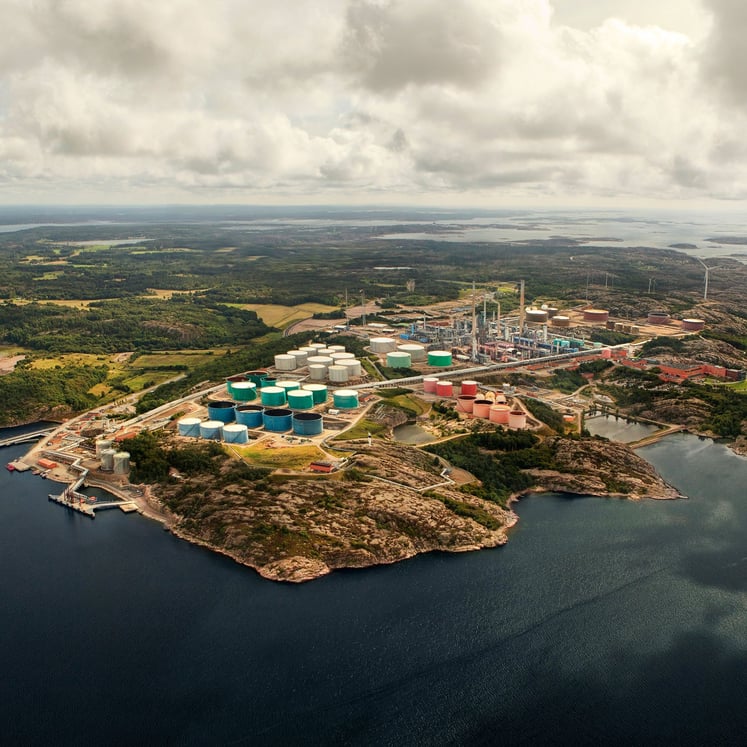
Since 2017, Preem and Vattenfall have collaborated to assess whether hydrogen produced by electrolysis using electricity from fossil-free sources could reduce greenhouse gas emissions from specified production processes at Preem's Lysekil refinery.
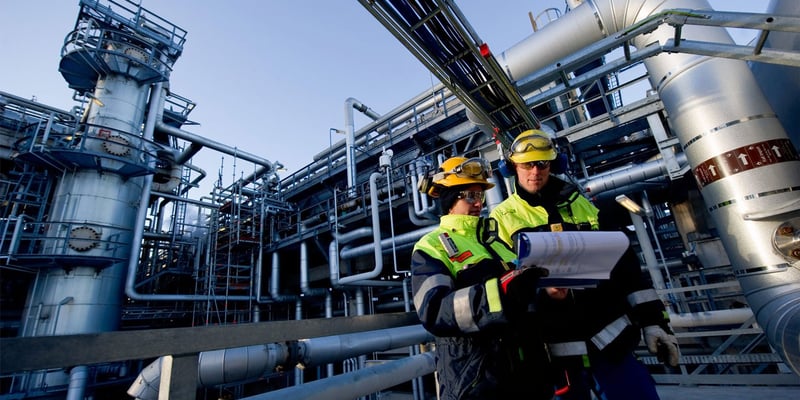
A feasibility study completed in 2021 concluded that a 200–500 MW electrolyser at Lysekil would be technically feasible. The study estimated that hydrogen produced under the assessed electricity and operating assumptions could have at least 80% lower greenhouse gas emissions than the conventional hydrogen production pathway used as the study baseline.
According to Preem's stated scenario, annual production of 5 million cubic metres of renewable fuels by 2030 could avoid up to 12.5 million tonnes of CO2, compared with the fossil-fuel baseline used in Preem's assessment. The estimate depends on the types and volumes of fuel produced, the life-cycle calculation method and the extent to which the fuels replace conventional alternatives.
Preem and Vattenfall are assessing the technical and commercial conditions for potentially scaling up hydrogen production using electricity from fossil-free sources. The work includes infrastructure, permitting and system integration considerations and is intended to assess how such hydrogen could be used in fuel production.
Related content
St1 and Vattenfall assess opportunities for synthetic electrofuels.
Large-scale production of electrofuel is an opportunity for the aviation sector.

We are developing solutions to decarbonise industry through fossil-free hydrogen.