
Fossil-free hydrogen
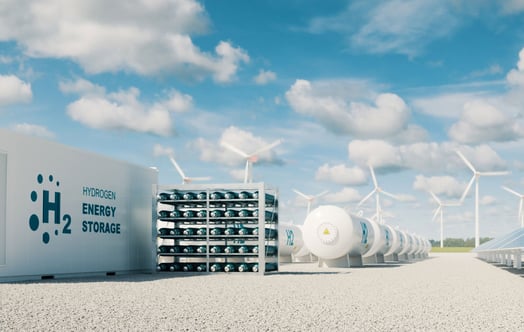
Hydrogen produced with electricity from fossil-free sources could contribute to reducing emissions in industrial applications where direct electrification is not technically or economically feasible. Vattenfall works with partners across several sectors to assess and develop hydrogen solutions using electricity from fossil-free sources. These solutions are intended to contribute to emissions reductions and relevant climate objectives.
Indirect electrification with hydrogen
Direct electrification, including electric vehicles and heat pumps, can reduce emissions in many applications. In applications where direct electrification is not technically or economically feasible, hydrogen produced by electrolysis using electricity from fossil-free sources may offer an alternative to fossil-based energy or feedstocks.
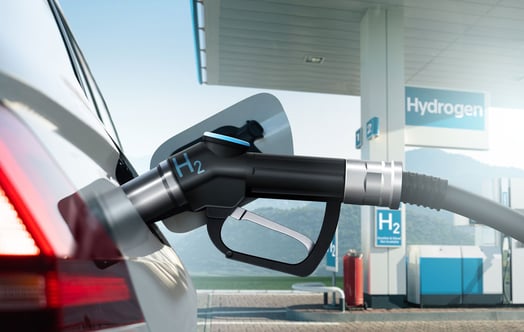
In selected applications in steel production, refining, chemicals, transport, district heating and agriculture, hydrogen produced through a qualifying lower-emission pathway may reduce greenhouse gas emissions when it replaces a higher-emission conventional alternative. Hydrogen can serve as an energy carrier or industrial feedstock and, in specified processes, may replace natural gas, coking coal or other fossil-based inputs.
Scaling hydrogen production using fossil-free electricity
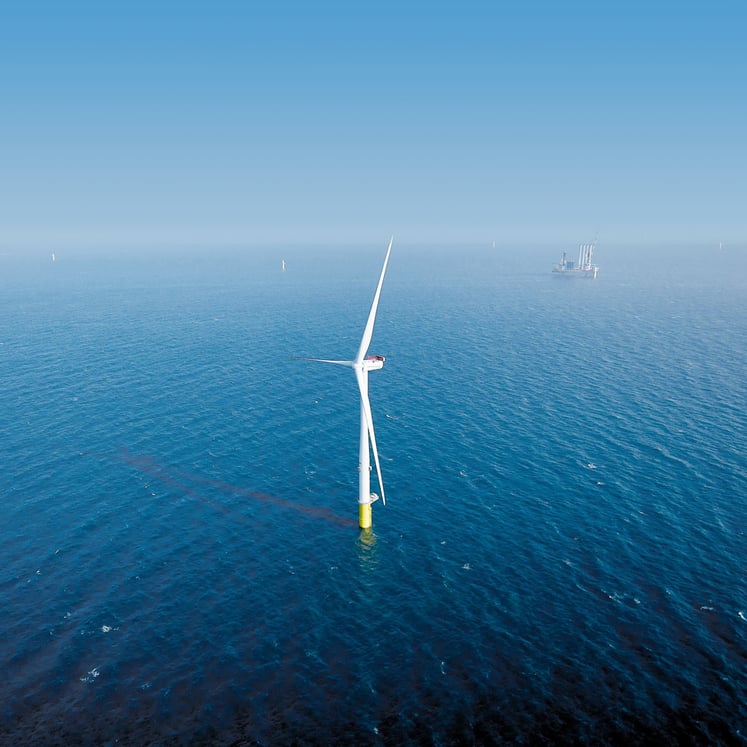
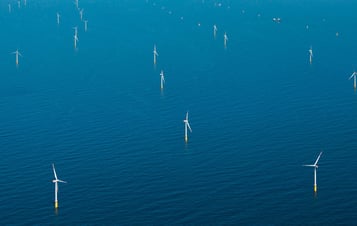
Vattenfall produces electricity from several fossil-free sources and is assessing how its electricity generation and energy expertise could support hydrogen production and infrastructure. Offshore wind could provide part of the electricity required for large-scale electrolysis, subject to project development, grid conditions, electricity demand and applicable hydrogen production criteria.
Developing hydrogen markets and infrastructure across Europe
The cost of producing hydrogen using electricity from fossil-free sources remains a significant challenge. Large-scale production and supporting infrastructure may improve competitiveness, although outcomes will depend on factors such as electricity prices, utilisation rates, technology costs, regulation and demand. National and EU hydrogen policies provide targets, regulatory frameworks and support mechanisms for hydrogen market development. Several European countries have announced ambitions for hydrogen production or electrolysis capacity.
Vattenfall participates in investments and partnerships intended to support the development of competitive hydrogen production and infrastructure with lower greenhouse gas emissions compared with relevant conventional alternatives.
When can hydrogen be considered fossil-free?
Hydrogen is produced by splitting water into hydrogen and oxygen, through a process called electrolysis. If the electricity used in the electrolysis comes entirely from fossil-free sources, such as wind, solar, hydro or nuclear, the resulting hydrogen is classified as fossil-free.
Find out more about our hydrogen initiatives below.
Fossil-free steel
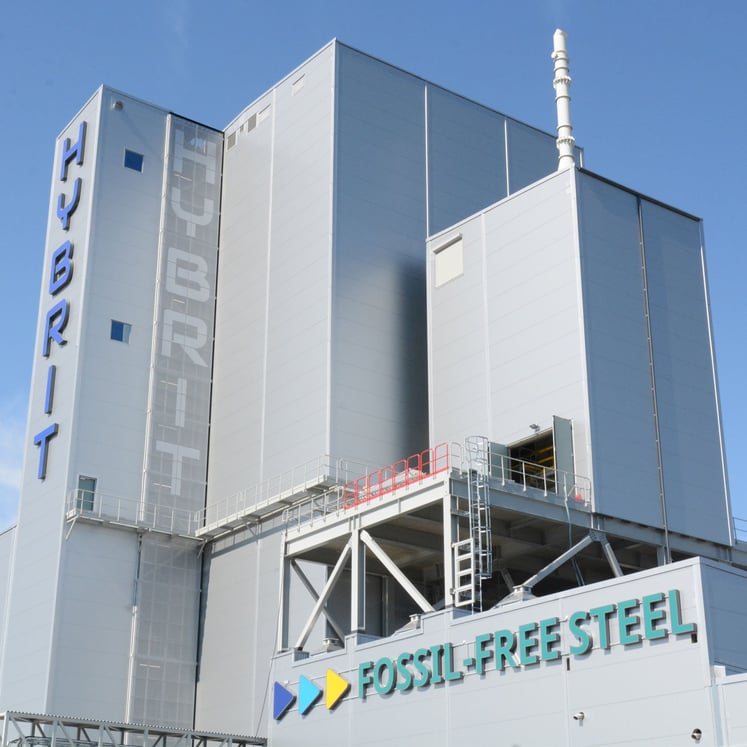
In HYBRIT, our joint venture with SSAB and LKAB, fossil-free hydrogen replaces coal in the steelmaking process.
Biofuel production
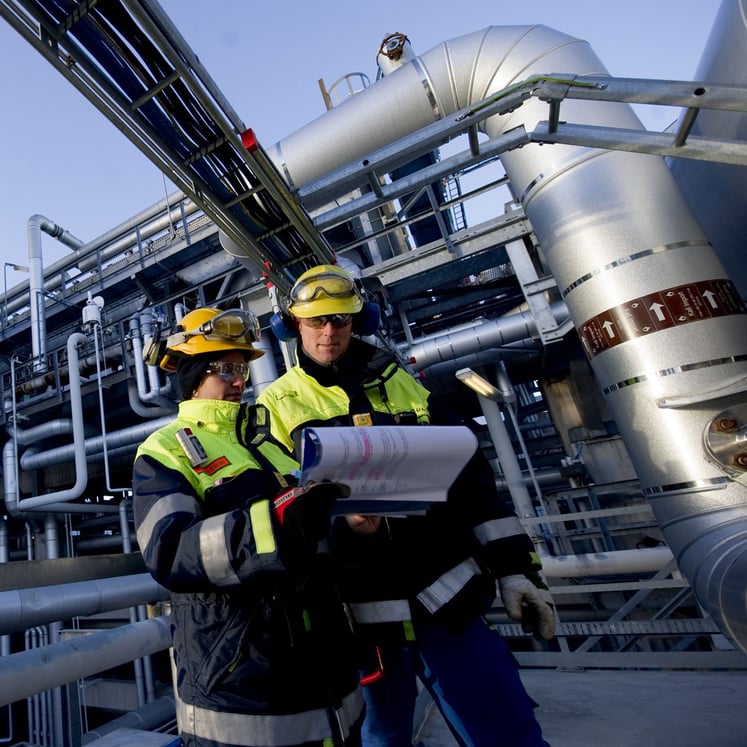
Preem and Vattenfall are exploring large-scale biofuel production using fossil-free hydrogen.
Fossil-free hydrogen from offshore wind
Copenhagen Infrastructure Partners and Vattenfall have formed the joint venture Zeevonk to produce fossil-free hydrogen from offshore wind in the Netherlands.
News about hydrogen
Memberships
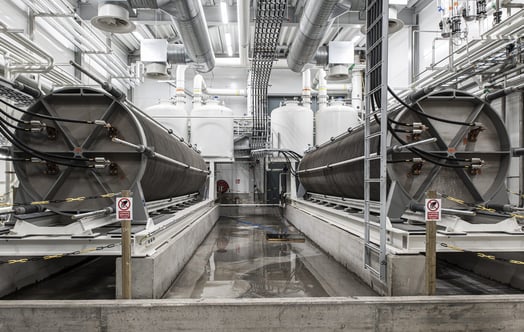
Vattenfall actively supports national and international institutions focused on hydrogen technology development.
Related content

Together with Cemvision, we aim to enable large-scale use of near-zero emission cement.
St1 and Vattenfall assess opportunities for synthetic electrofuels.
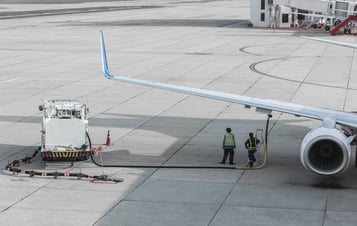
Large-scale production of electrofuel is an opportunity for the aviation sector.