HYBRIT – developing hydrogen-based ironmaking to reduce industrial emissions
The steel industry has long relied on coking coal, making it one of the largest industrial emitters of CO2. HYBRIT (Hydrogen Breakthrough Ironmaking Technology) aims to reduce emissions from conventional coal-based ironmaking. Launched in 2016 as a partnership between SSAB, LKAB and Vattenfall, HYBRIT is developing a process that replaces coking coal in iron reduction with hydrogen produced using electricity from fossil-free sources.
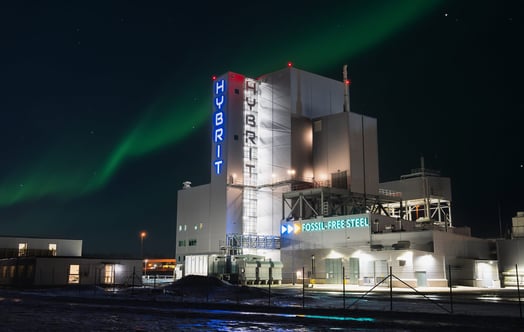
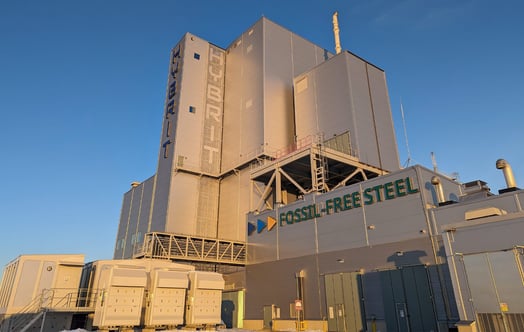
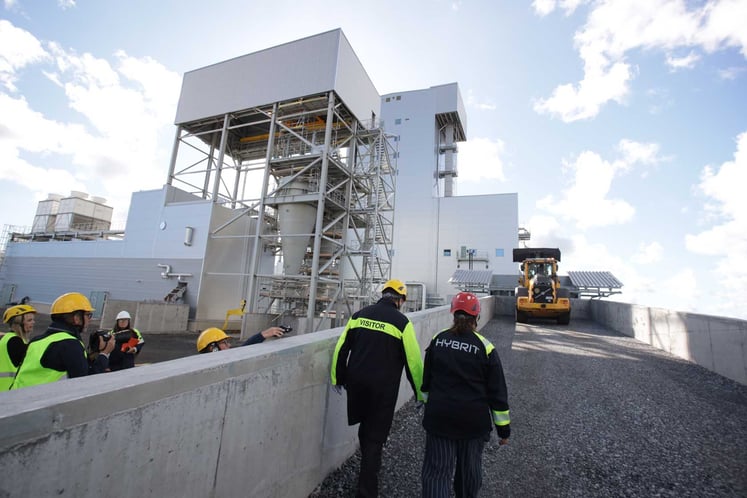
The Luleå pilot plant, which opened in August 2020, was designed to test a hydrogen-based iron reduction process that avoids the direct CO2 emissions associated with the use of coking coal in this production step. In the process being tested, hydrogen-based direct reduction replaces the coal-based reduction of iron ore used in a conventional blast-furnace route. In the hydrogen-based reduction reaction, water is formed instead of the CO2 generated during coal-based reduction. Water recovered from the process may be reused, subject to treatment and operational requirements.
Since 2020, the pilot plant has produced more than 5,000 tonnes of hydrogen-reduced sponge iron. According to the project's final research report, the pilot programme has demonstrated hydrogen-based iron reduction at a semi-industrial scale and has contributed to several patents.
In July 2021, SSAB Oxelösund rolled steel produced using HYBRIT technology and sponge iron reduced with hydrogen generated using electricity from fossil-frees sources. This milestone marked a significant step towards the commercialisation of fossil-free steel.
Video player requires marketing cookies.
To view this content please click here to allow marketing cookies.
HYBRIT: The biggest change in steel production
Together with our partners LKAB and SSAB, we have created HYBRIT – a project for producing steel using hydrogen rather than coal.
Video player requires marketing cookies.
To view this content please click here to allow marketing cookies.
Fossil-free electricity is the key
Electrification is key to combat climate change. Watch HYBRIT – 4: Fossil-free electricity is the key.
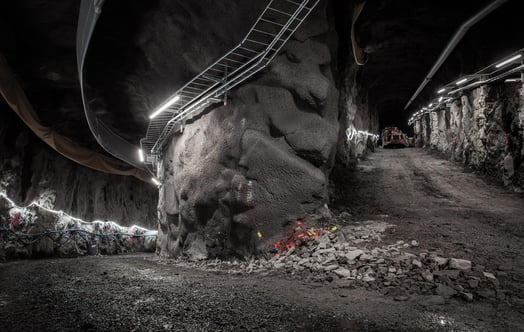
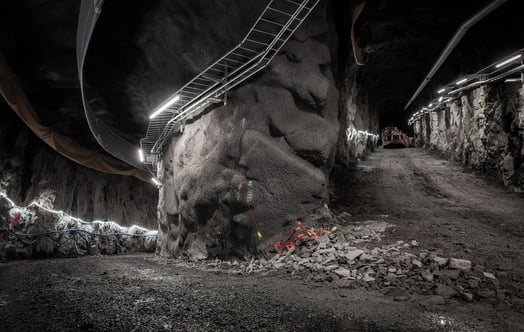
In the summer of 2022, HYBRIT commissioned a 100-cubic-metre pilot hydrogen storage facility using steel-lined rock cavern (LRC) technology at Svartöberget, adjacent to the sponge iron pilot plant in Luleå. According to results published in 2025, the facility achieved more than 3,800 operating hours and 94% availability. The project also included accelerated mechanical testing designed to represent loads equivalent to 50 years of operation.
The purpose of the storage facility is to balance hydrogen production with fluctuations in electricity prices: hydrogen is stored when electricity prices are low and supplied when prices are high. Real-time operation in the spot and intraday electricity markets has demonstrated cost savings of 26–31%, while simulations of future scenarios indicate potential savings of up to 40%.
The project partners have reported that the pilot met its technical objectives and that the storage concept is ready for further evaluation at a larger scale for applications such as direct-reduction plants. HYBRIT has extended the pilot through 2026 to refine designs and prepare for future commercial-scale hydrogen storage.
From pilot to demonstration phase
In March 2021, Gällivare was chosen as the location for the first HYBRIT demonstration plant. The project originally envisaged an annual production of 1.3 million tonnes of sponge iron from 2026, increasing to 2.7 million tonnes by 2030. LKAB is the principal developer and state aid recipient, having filed permit applications in May 2023.
Earlier project scenarios estimated that HYBRIT-based production at the assumed scale could avoid 35 to 50 million tonnes of CO2 emissions annually compared with conventional coal-based ironmaking. The estimate depends on the deployment scenario, production volumes, electricity supply, comparison baseline and geographical boundaries.
Following completion of the initial pilot programme, the initiative has continued work toward potential industrial-scale deployment, including planning for demonstration facilities, hydrogen and electricity infrastructure, permitting and other requirements for commercial production.
News and press releases