
Cemvision: Near-zero carbon emission cement
Cement production is one of the most carbon‑intensive industrial processes, largely due to the calcination of limestone and the use of fossil fuels in high‑temperature kilns. To enable fossil‑free construction across the energy system, Vattenfall is working to accelerate the adoption of production methods that reduce emissions at the source.
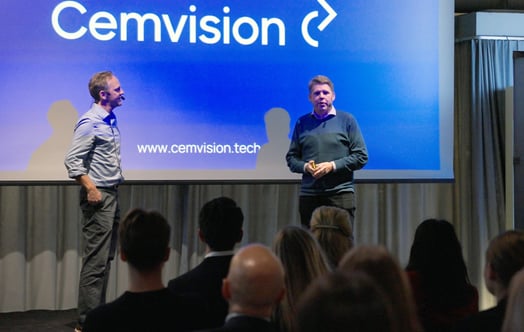
One example is our collaboration with Cemvision, a producer developing near‑zero carbon emission cement by redefining how cement is made.
Reducing emissions at the source
Unlike conventional cement production, which relies on virgin limestone and fossil fuels, Cemvision’s process uses recycled industrial by‑products and is powered by fossil‑free electricity. By avoiding limestone calcination and replacing fossil fuels, the technology has the potential to cut CO2 emissions by up to 95% compared with traditional cement, subject to continued development and validation.
This process‑based approach addresses the main drivers of cement‑related emissions rather than compensating for them downstream. As a result, near‑zero carbon emission cement can provide substantial reductions in concrete‑intensive applications where technical and regulatory conditions allow.
From development and testing to value chain adoption
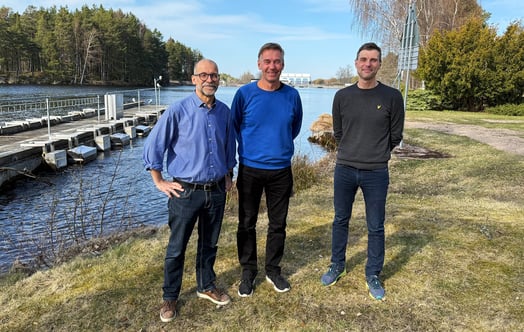
The collaboration between Vattenfall and Cemvision advances development, testing and market adoption in parallel, allowing early learning and validation while being anchored in a long‑term commercial agreement. This includes material qualification and performance testing in Vattenfall’s concrete laboratory in Älvkarleby, ensuring the cement meets strict technical and durability requirements for demanding infrastructure applications.
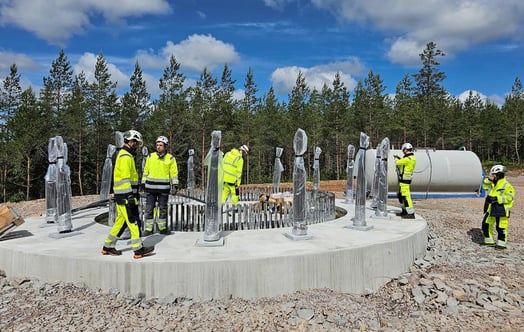
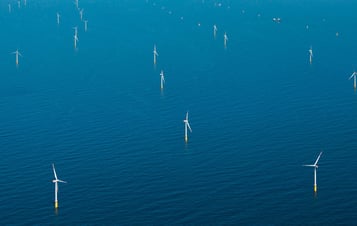
Building on this collaboration, Cemvision’s near‑zero carbon emission cement is now being introduced into wind power projects through a commercial agreement aiming for first supply in 2028. The goal is to demonstrate that radically lower‑emission cement can be scaled and used in critical infrastructure.
Over time, the initiative will extend beyond individual projects by engaging suppliers who procure cement and concrete on Vattenfall’s behalf – enabling emission reductions across the broader supply chain, not only within Vattenfall’s own operations.
Enabling fossil‑free construction
Vattenfall is a member of the First Movers Coalition (FMC) and has committed to ensuring that at least 10% of its cement and concrete purchases are near‑zero emission by 2030. The collaboration with Cemvision supports this commitment by helping move near‑zero carbon emission cement from innovative production processes to commercial use.
By combining Cemvision’s low‑carbon cement production technology with Vattenfall’s energy expertise, testing capabilities, and role as a major infrastructure developer, the collaboration marks a tangible step towards fossil‑free construction and a more sustainable energy system.
News and press releases
Related content
We are collaborating with Preem to produce fossil-free hydrogen for biofuel production.
St1 and Vattenfall analyse opportunities related to fossil-free fuels.

Large-scale production of electrofuel is an opportunity for the aviation sector.